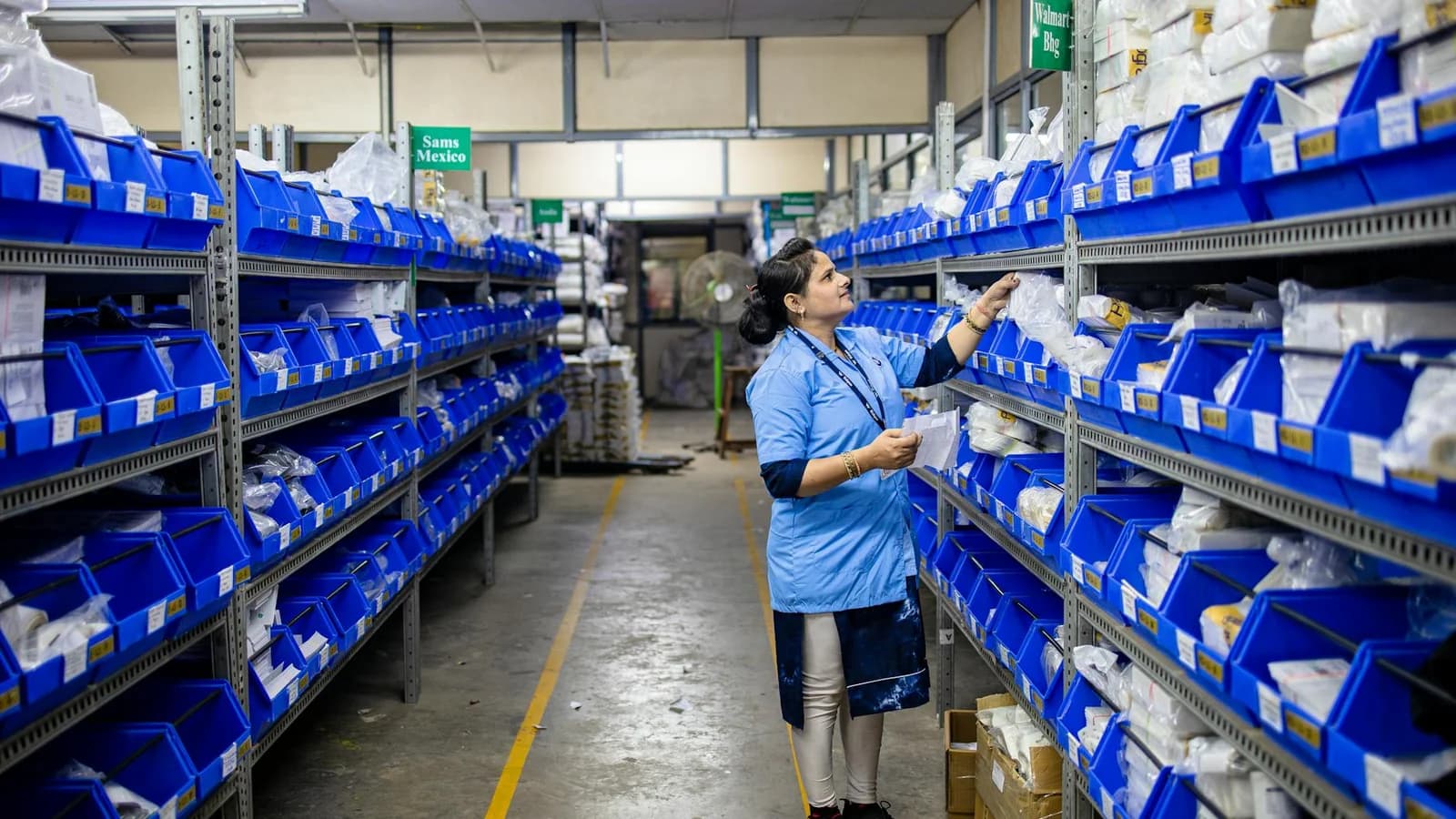
Pick-Face Readability Drives Shift Consistency More Than Many Teams Realize
Why the readability of pick faces and adjacent movements has a direct effect on shift stability, correction rate, and warehouse confidence.
A practical blog stream covering solution playbooks and industry execution patterns from real physical environments.
Use category filters to move between solution frameworks and industry-specific execution guides.
Category
Subcategory
Why the readability of pick faces and adjacent movements has a direct effect on shift stability, correction rate, and warehouse confidence.

Why healthcare organizations should treat registration clarity as an operational lever for throughput, not only as a front-desk experience issue.

Why access conditions around shared tools and support points can influence interruption frequency and plant-flow reliability more than leaders expect.

Why workplace congestion and meeting-zone pressure are often driven by synchronized arrival rhythm rather than overall occupancy alone.

Why commercial performance in airports depends partly on how quickly passengers regain orientation and calm after security screening.

Why edge-cloud architecture should be evaluated partly by how well it reduces local decision latency without weakening enterprise control.

Why multinational operators need stricter metric governance if they want store, site, and region comparisons to hold up under executive scrutiny.
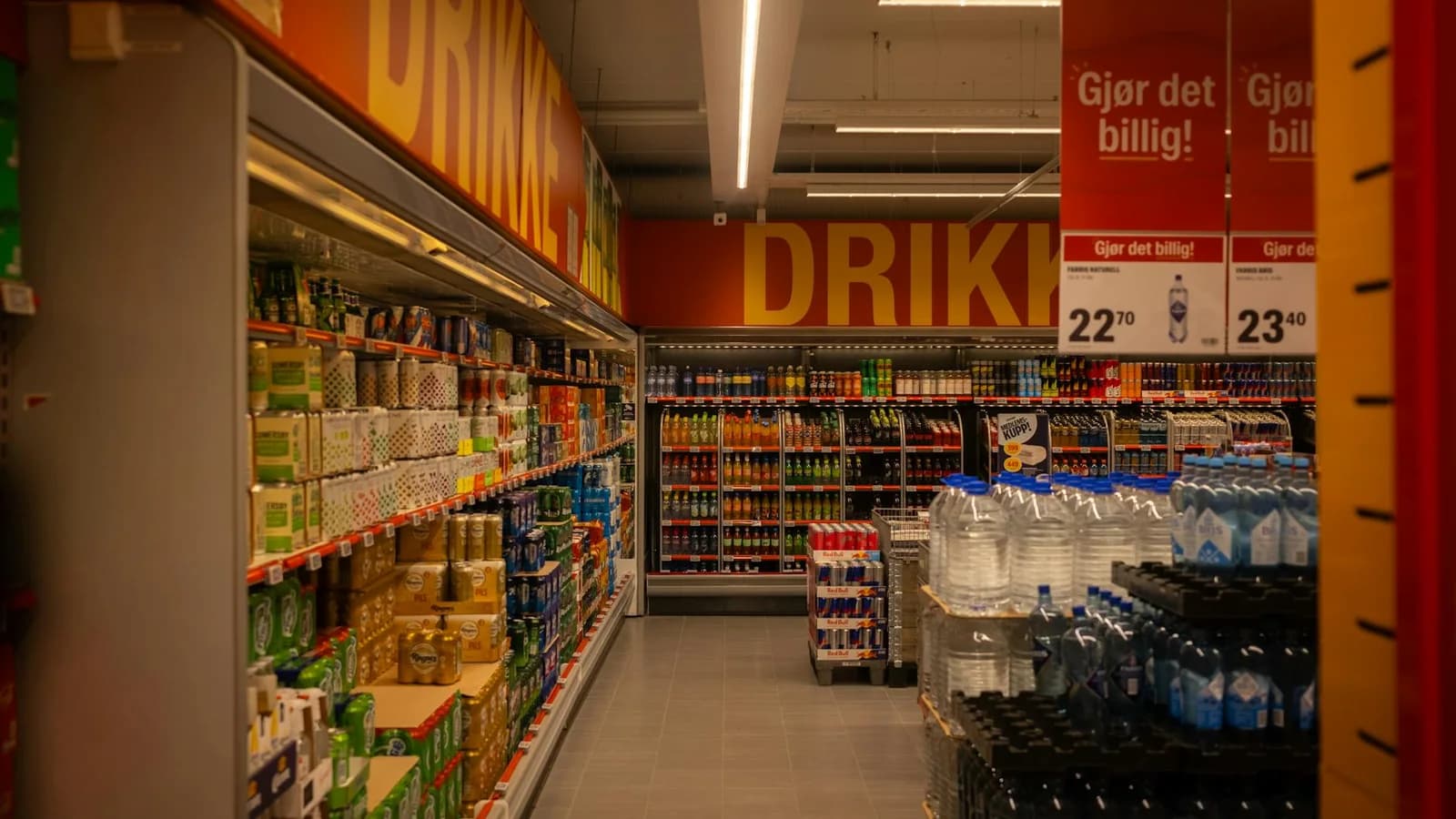
Why zone redistribution efforts succeed more reliably when operators first understand visibility and confidence conditions in the center of the floor.
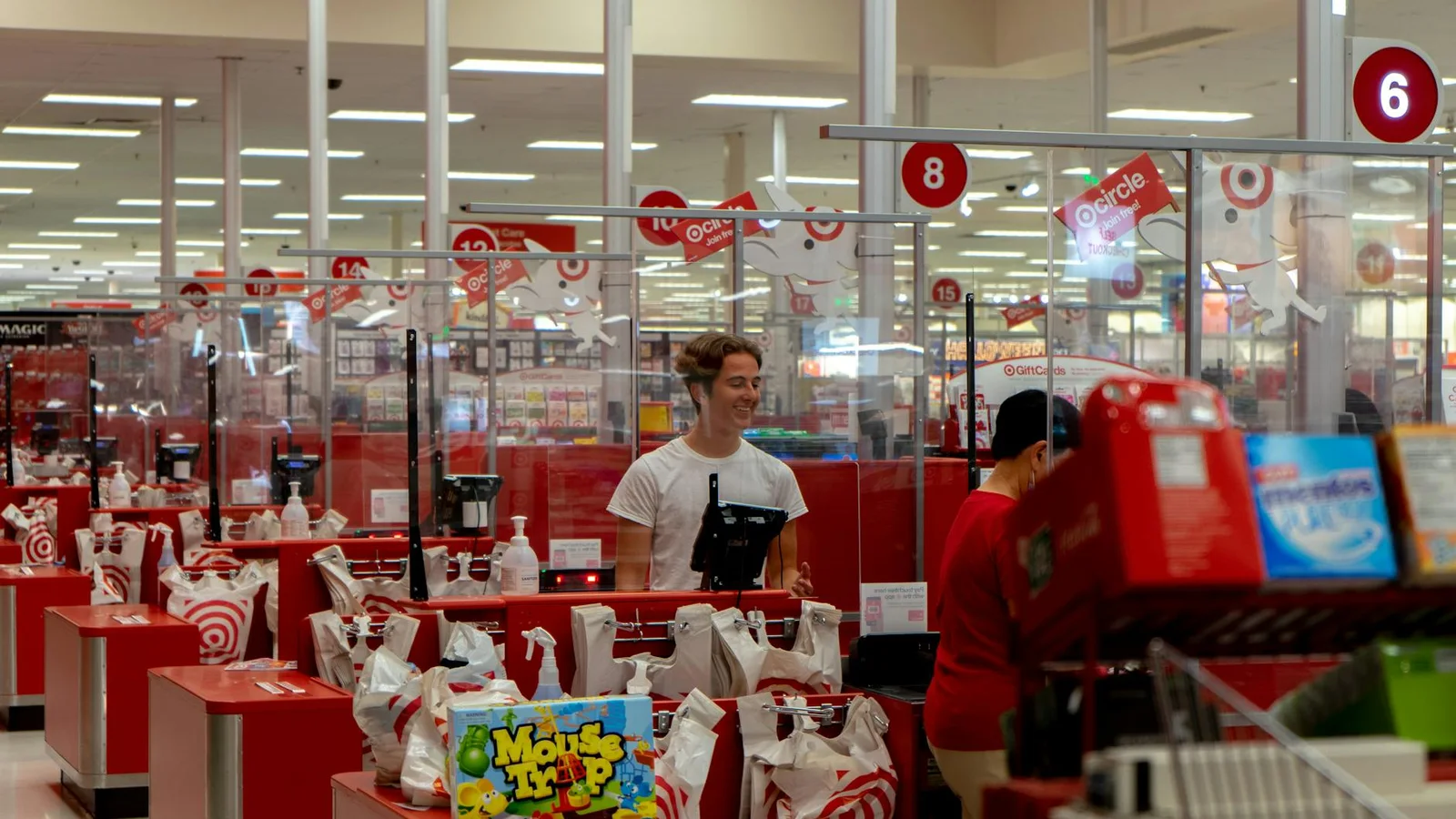
How operators can use exit, rejoin, and abandonment behavior around queues to detect service failure before complaints and lost revenue become obvious.

Why retailers should improve traffic quality, mission fit, and entrance readiness before assuming more promotional spend will fix weak conversion.
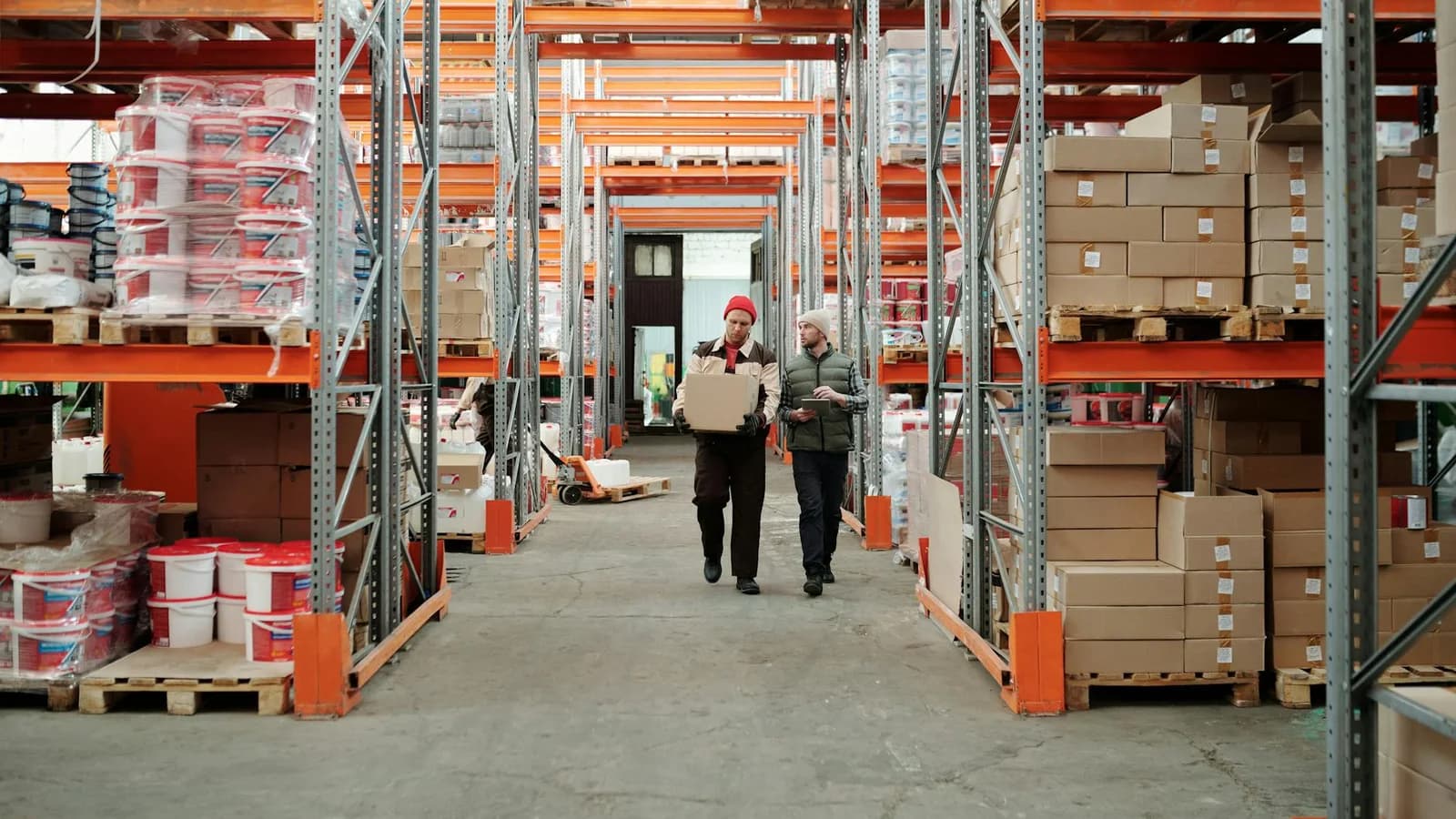
How logistics operators can improve execution quality by managing the environmental conditions that support labor confidence during pressure periods.

How healthcare environments can preserve patient calm at arrival and reduce the downstream operational burden caused by uncertainty and stress.
How clear priority rules at crossings improve manufacturing safety and make floor behavior more predictable under daily operating pressure.

How offices can keep teams close enough for coordination without allowing proximity to degrade focus, calm, and behavioral usability.

How airports can understand the relationship between security performance and the quality of downstream commercial dwell rather than treating them separately.

How enterprises can prevent fragmentation by defining clear output contracts between local edge interpretation and cloud-level intelligence consumption.

Why enterprises need to govern how metrics are used in decisions, not only how accurately those metrics are calculated.
How organizations can compare spaces based on actual behavioral performance instead of relying on superficial visual similarity.

How leaving and rejoining a queue signals weakened trust in the service environment even when final throughput appears acceptable.
Why conversion begins when a visitor commits to a credible path through the environment, not merely when they cross the threshold.
How logistics sites can improve execution by treating staging discipline as a movement-quality issue rather than a purely storage or timing problem.

How healthcare teams can reduce friction and stress by clarifying the transition between registration, waiting, and care delivery.

How manufacturers can identify and reduce recurring micro-conflicts at floor transitions that slowly degrade safety, confidence, and throughput.

How offices can move beyond floor-wide utilization averages by understanding occupancy and behavior at the neighborhood level.
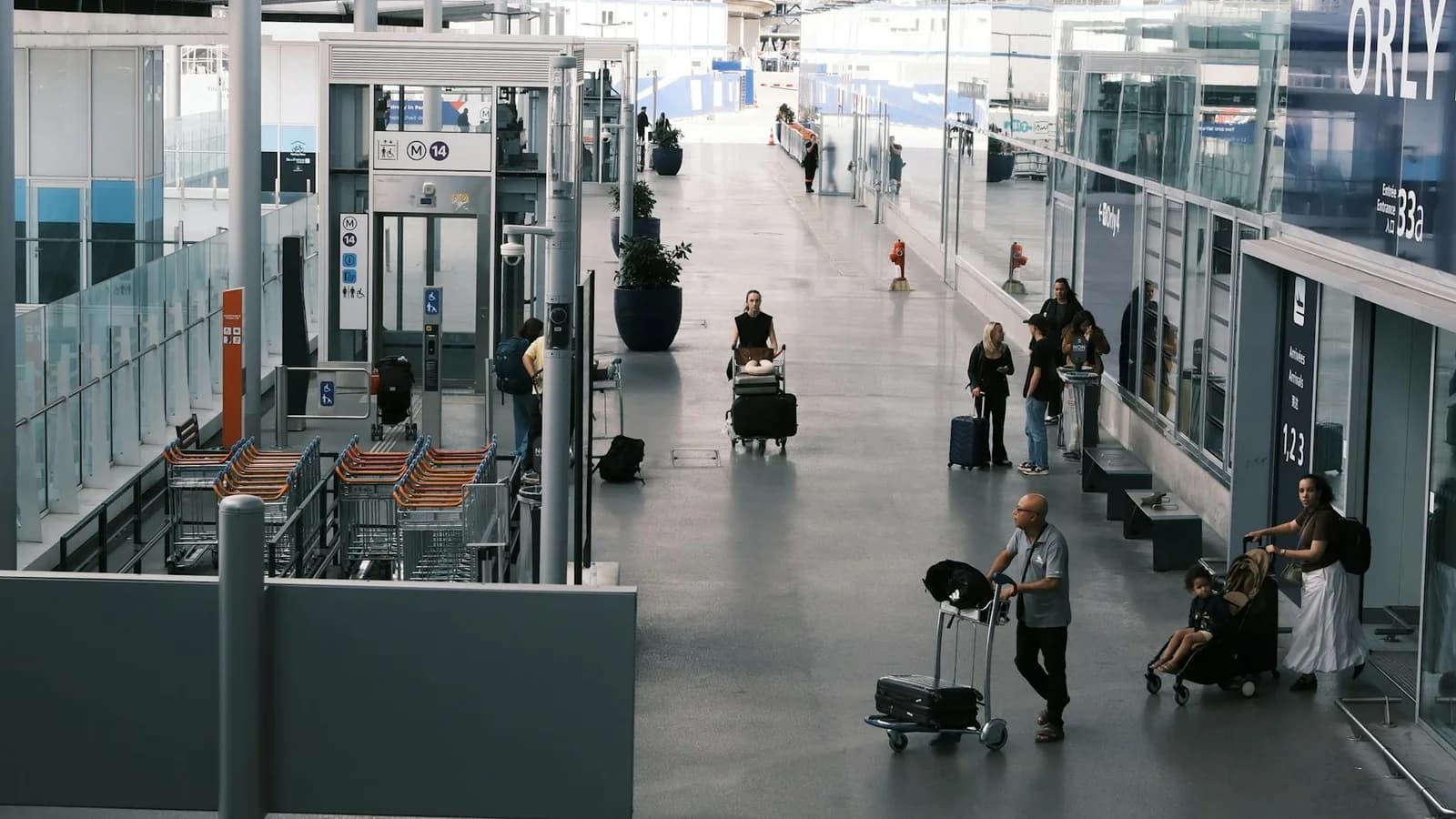
How airport transfer points shape confidence, continuity, and downstream passenger flow more than static capacity models usually show.

How distributed deployments stay governable when enterprises manage them through a control-plane mindset instead of a collection of isolated sites.
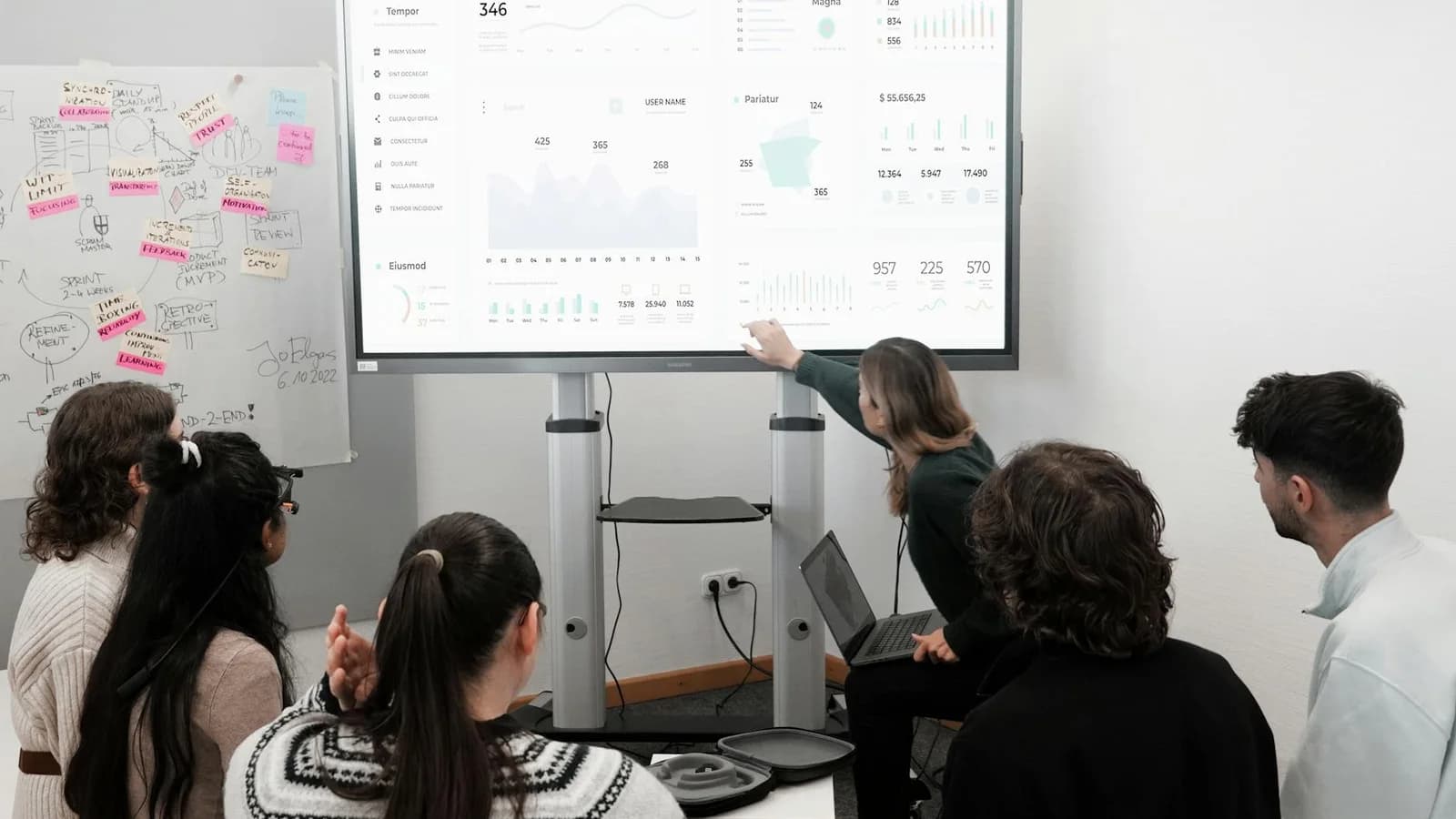
How organizations can restore confidence in operational analytics once teams begin challenging the validity of movement, conversion, or utilization metrics.
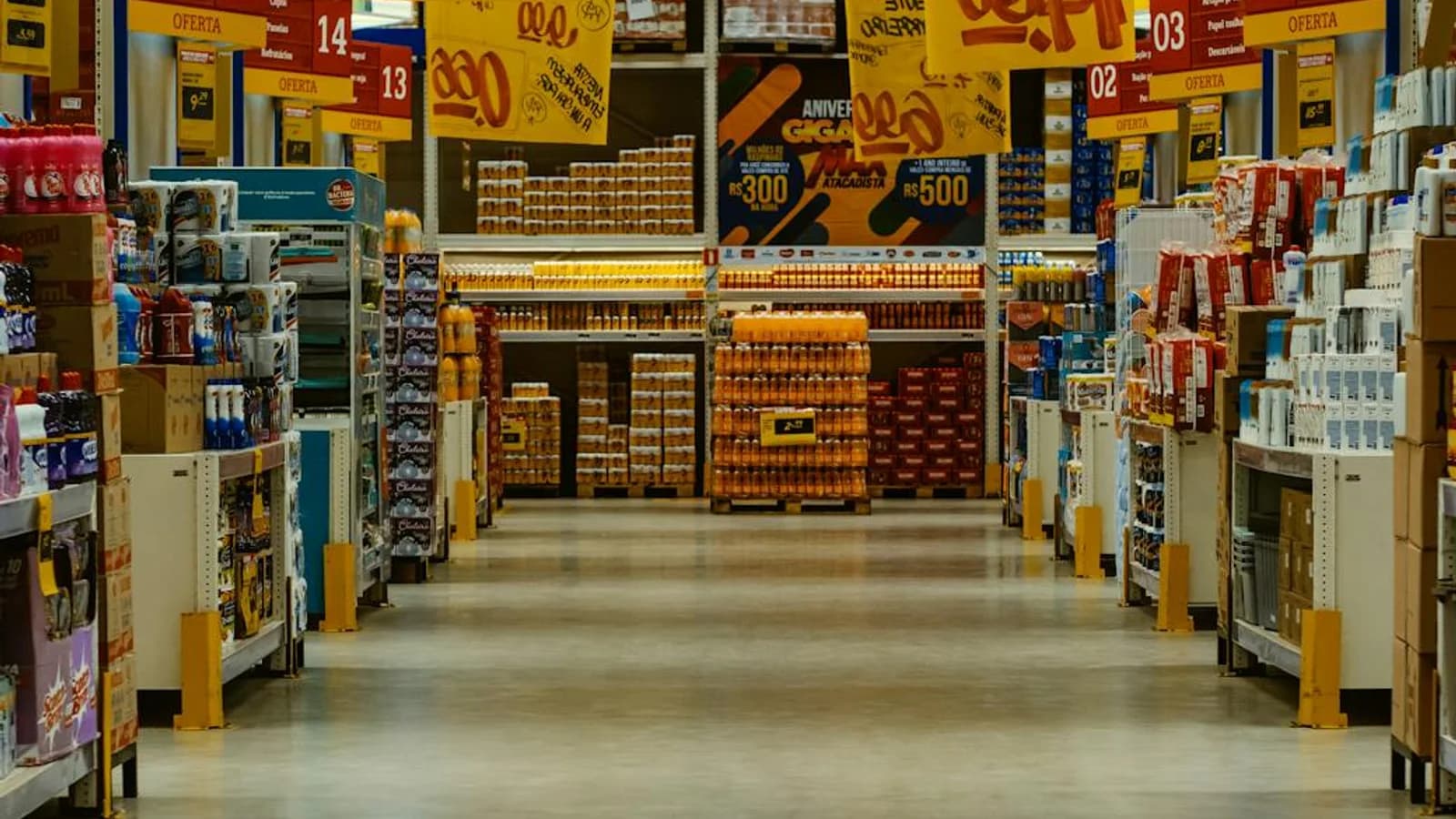
How organizations can avoid misreading redesign results by documenting meaningful space-use baselines before making physical changes.

How queue systems continue to damage behavior even after service capacity improves, because customer confidence recovers more slowly than the queue itself.

How physical environments create or lose conversion momentum in the earliest seconds of the visit, before deeper engagement becomes visible.
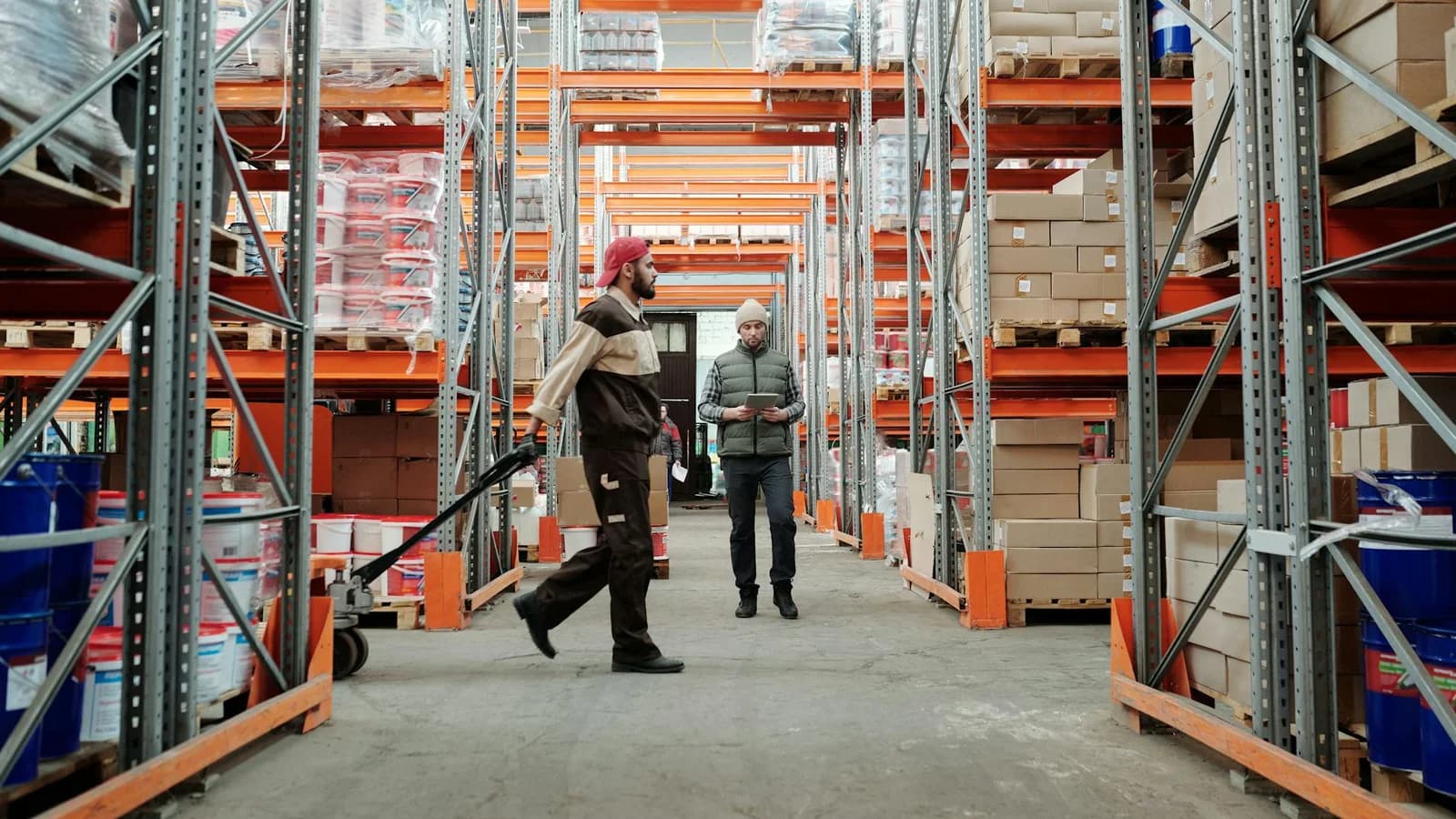
How warehouse operators can reduce hidden delays and route hesitation by improving the way cross-aisle movement interacts with pick-path logic.

How healthcare environments can reduce patient stress and staff interruption by making the route to consultation easier to understand and trust.
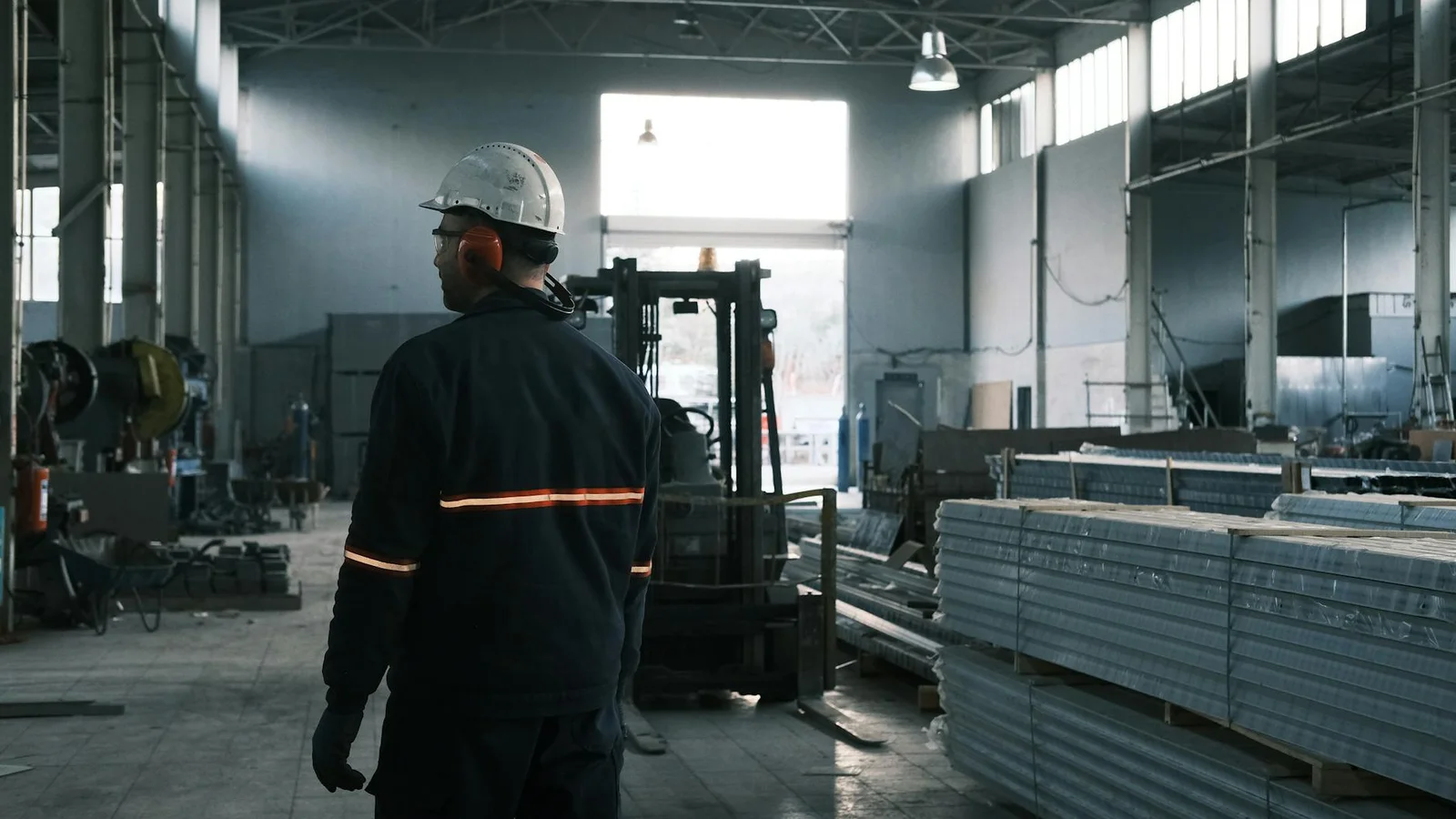
How manufacturers can reduce friction between pedestrians and mobile equipment by making route clearance more predictable and behaviorally legible.

How workplace teams can evaluate whether quiet zones truly support focused work or merely signal that focus is valued without materially enabling it.
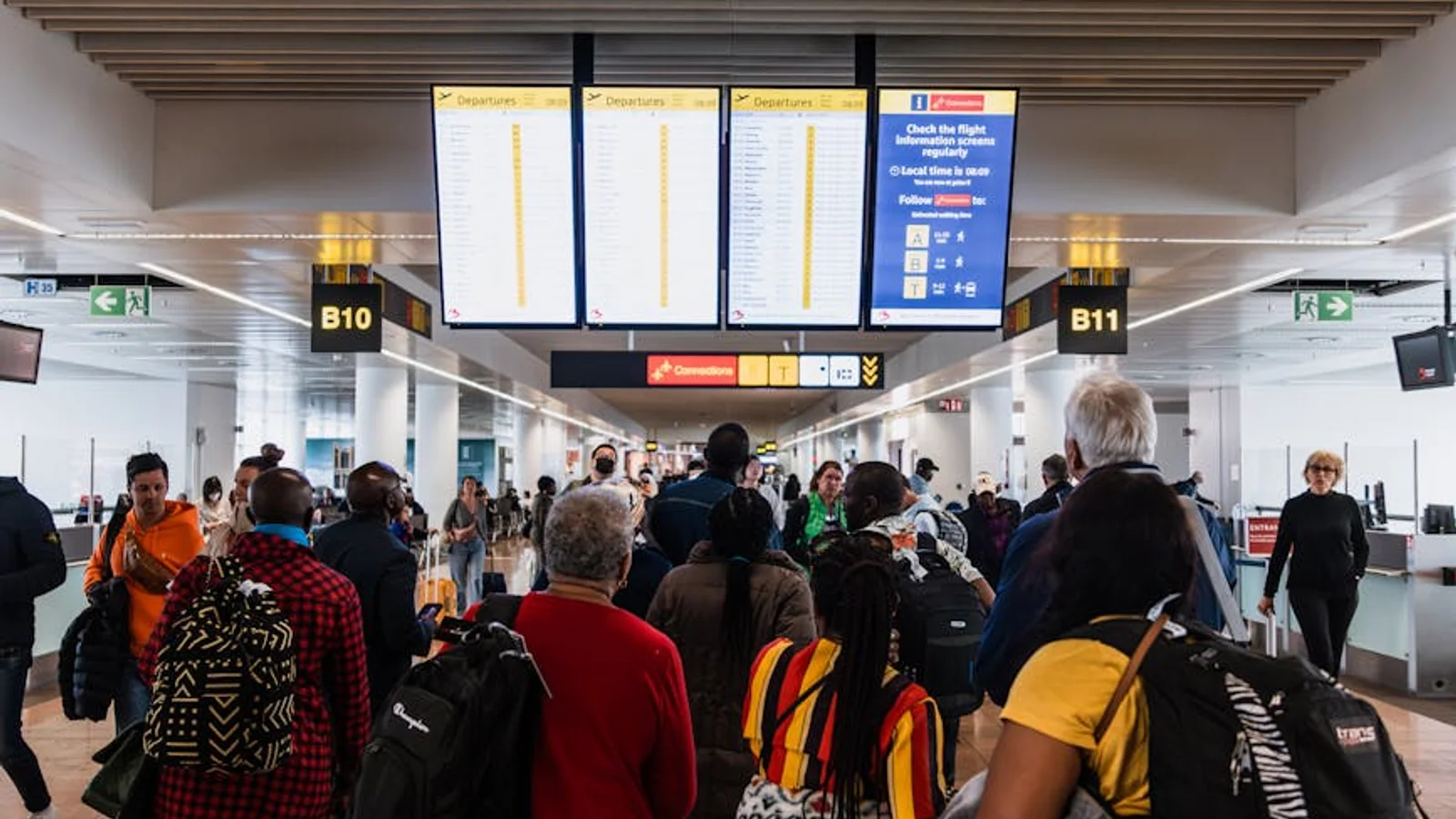
How airports can manage gate-hold zones in ways that reduce passenger stress, protect circulation, and prevent downstream disruption before boarding.

How enterprises can preserve local autonomy at the edge while still enforcing a standardized intelligence model across the portfolio.

How auditability gives movement, utilization, and conversion metrics the governance needed to support serious enterprise decisions.
How operators can use density and flow patterns to zone mixed-use environments more intelligently without relying on assumptions carried over from design intent.

How spillover from queues damages adjacent commercial space, weakens confidence, and creates a wider revenue cost than the queue owner alone can see.

How physical spaces can improve conversion by shaping the first route decision after entry rather than relying on downstream recovery alone.
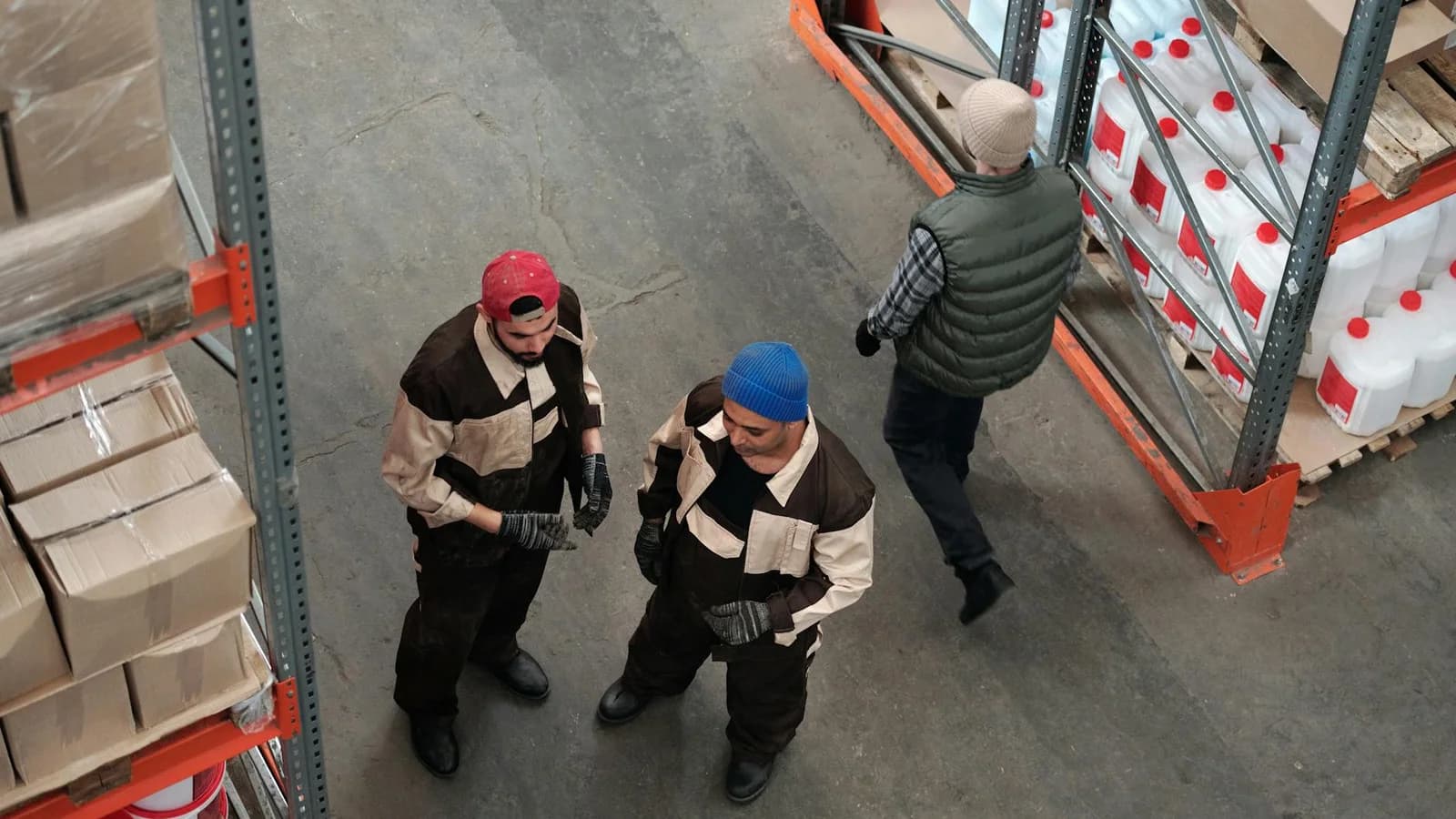
How logistics operators can reduce handoff friction, route instability, and labor disruption by managing visibility between dock activity and the warehouse floor.

How healthcare environments can use patient movement and waiting experience to improve operational stability, confidence, and resource timing.

How manufacturers can improve pedestrian safety inside plants while protecting throughput, route clarity, and floor-level execution speed.
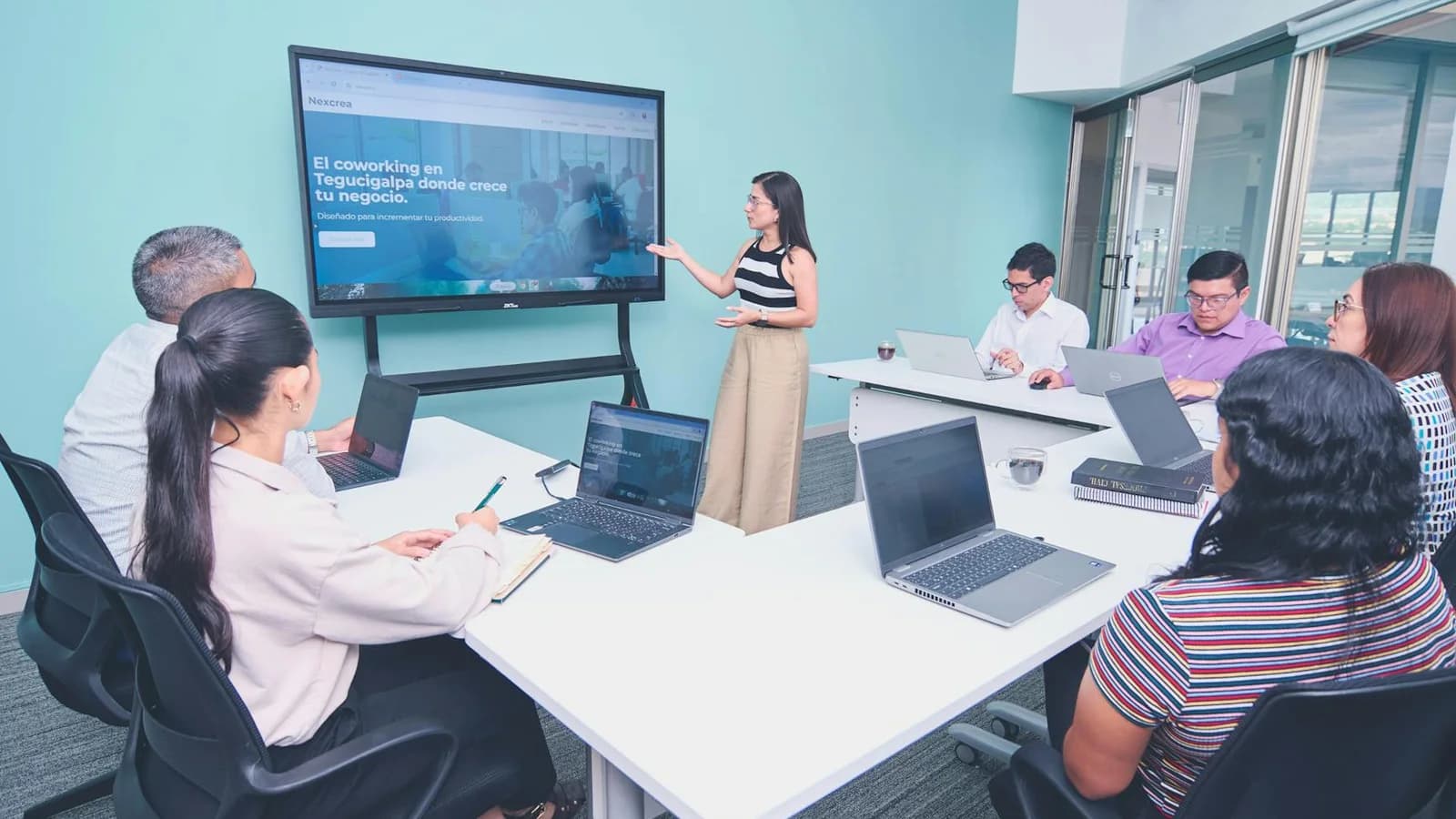
How workplace teams can distinguish genuinely productive collaboration areas from symbolic ones that occupy premium space without sufficient behavioral value.
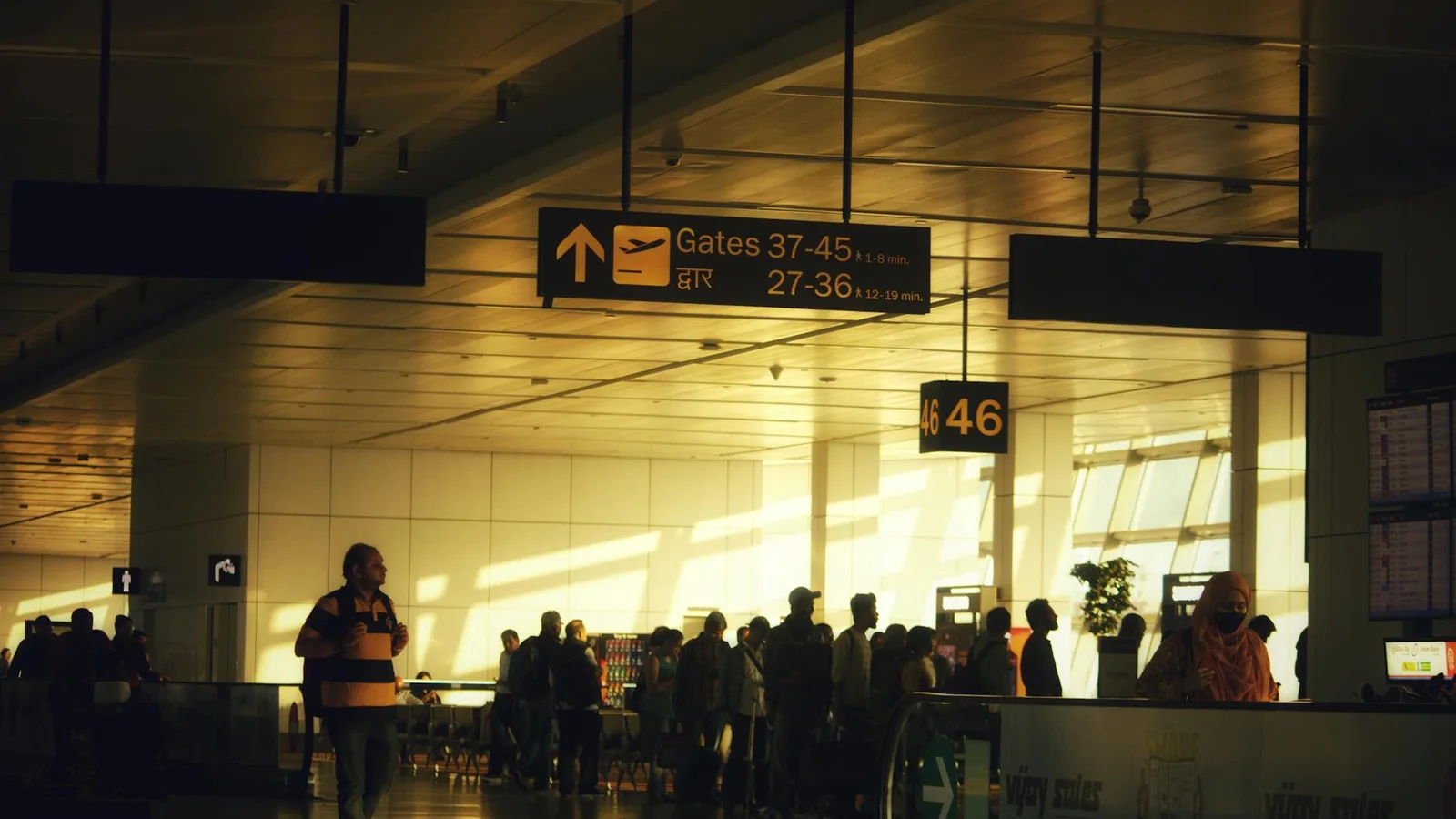
How airports can strengthen passenger confidence from curbside arrival through the terminal instead of managing each operational stage in isolation.
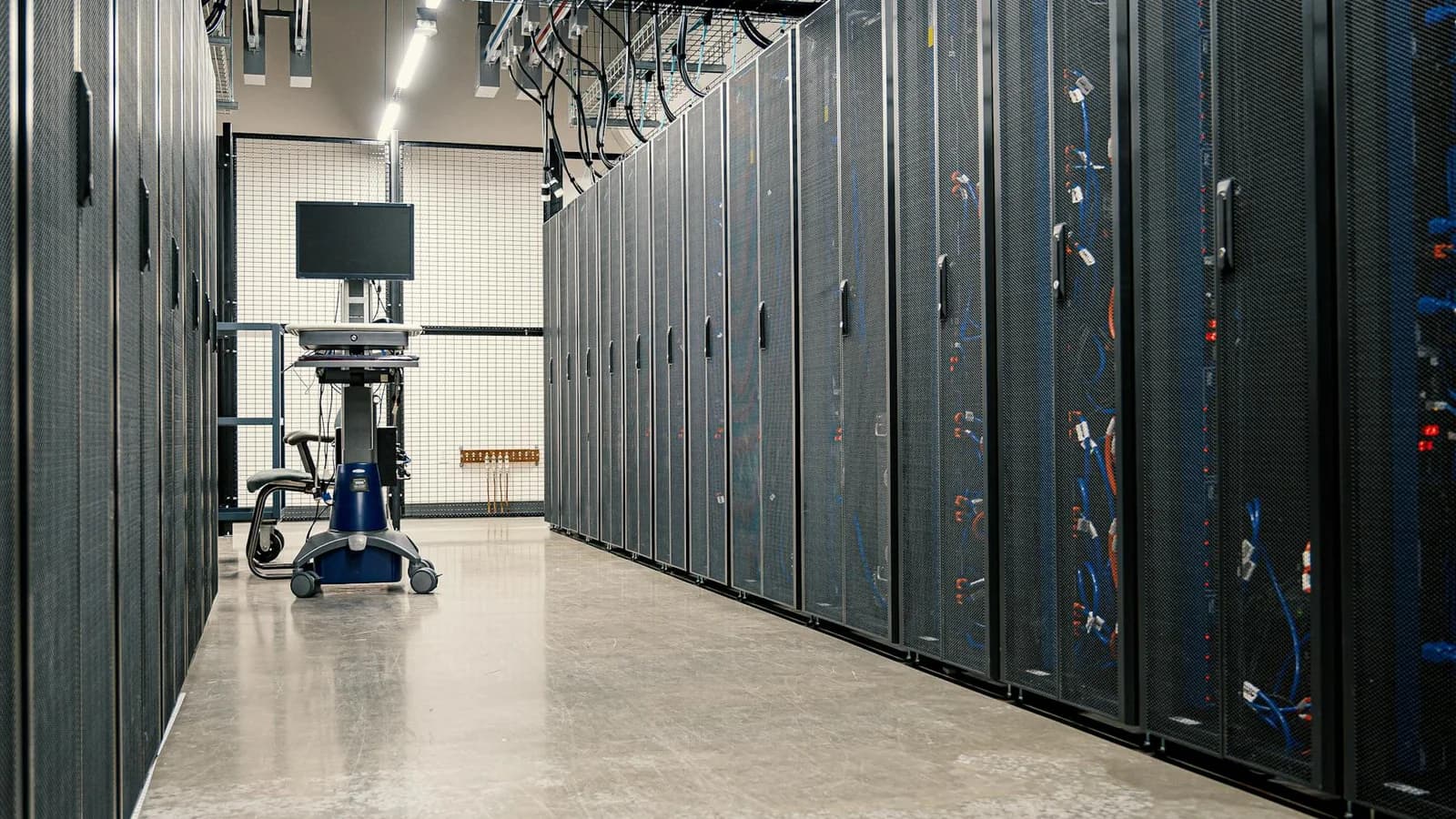
A practical framework for deciding what should be interpreted locally and what should be centralized as structured intelligence in enterprise edge-plus-cloud architectures.
Why enterprises need explicit denominator governance if they want traffic, conversion, and utilization metrics to remain comparable across sites and time periods.
How organizations can recover underperforming space through evidence-led adjustments instead of expensive redesign programs built on intuition.
How perceived fairness inside a queue shapes customer patience, confidence, and conversion even when actual wait times look acceptable on paper.

Why enterprises should stop treating all entries as equal and instead evaluate the quality, intent, and commercial usefulness of incoming traffic.
How malls can increase whole-visit value by sequencing family needs across the journey instead of treating family activity as one isolated destination.
How malls can use inter-level visibility to encourage vertical continuation and make upper and lower floors feel commercially worth pursuing.
How malls can manage convenience, leisure, dining, and destination missions across the day without letting one mission type suppress the others.

How malls can use smaller destinations between anchors to create stronger journey continuity and reduce dependence on long unproductive corridors.

How retailers can use the space immediately after entry to reduce confusion, shape attention, and improve the quality of the customer’s first commercial decision.

How retailers can serve repeat customers more intelligently by designing zones that reward familiarity without sacrificing discovery and basket growth.
How stores can spot early checkout stress before formal lines appear and prevent small delays from becoming disproportionate conversion damage.

How retailers can reduce decision overload, improve category navigation, and protect conversion by aligning assortment density with real shopper behavior.

How malls can design seating and rest zones that extend visit quality, preserve energy, and strengthen onward commercial movement instead of halting it.

How shopping malls can rebuild the commercial role of weaker wings using circulation logic, event sequencing, and confidence-building path design.

How shopping malls can improve repeat visitation by designing circulation loops that feel legible, rewarding, and commercially complete rather than endless.

How retailers can time replenishment against live shopper behavior so stock health improves without degrading route quality and conversion opportunity.

How retailers can use mid-floor service points to protect high-intent decisions before customers drift, defer, or abandon the purchase journey.

How retailers can detect when hero zones lose their commercial power for repeat visitors and begin weakening the store’s ability to create fresh demand.
Why mall event calendars should be judged by center-wide performance patterns, not just the immediate buzz created by individual activations.
How mall teams can measure the hidden drop-off between parking arrival and interior commercial engagement instead of assuming every arrival becomes productive demand.
How mall teams can understand whether anchors complement each other through the day or compete for shallow, disconnected traffic.

How retail teams can detect the early behavioral signs of peak-day breakdown before queues, service stress, and lost conversion become visible to leadership.
Why many cross-sell zones create visual intention but weak basket growth, and how retailers can redesign adjacencies around real continuation behavior.

How retailers can execute seasonal floor changes without sacrificing path clarity, product discovery, or assisted conversion during the transition period.
How mall teams can identify when long corridors and weak orientation quietly reduce commercial energy before visitors ever leave the asset.
How mall operators can treat entrances as demand-shaping systems instead of simple access points to improve spillover into the interior.
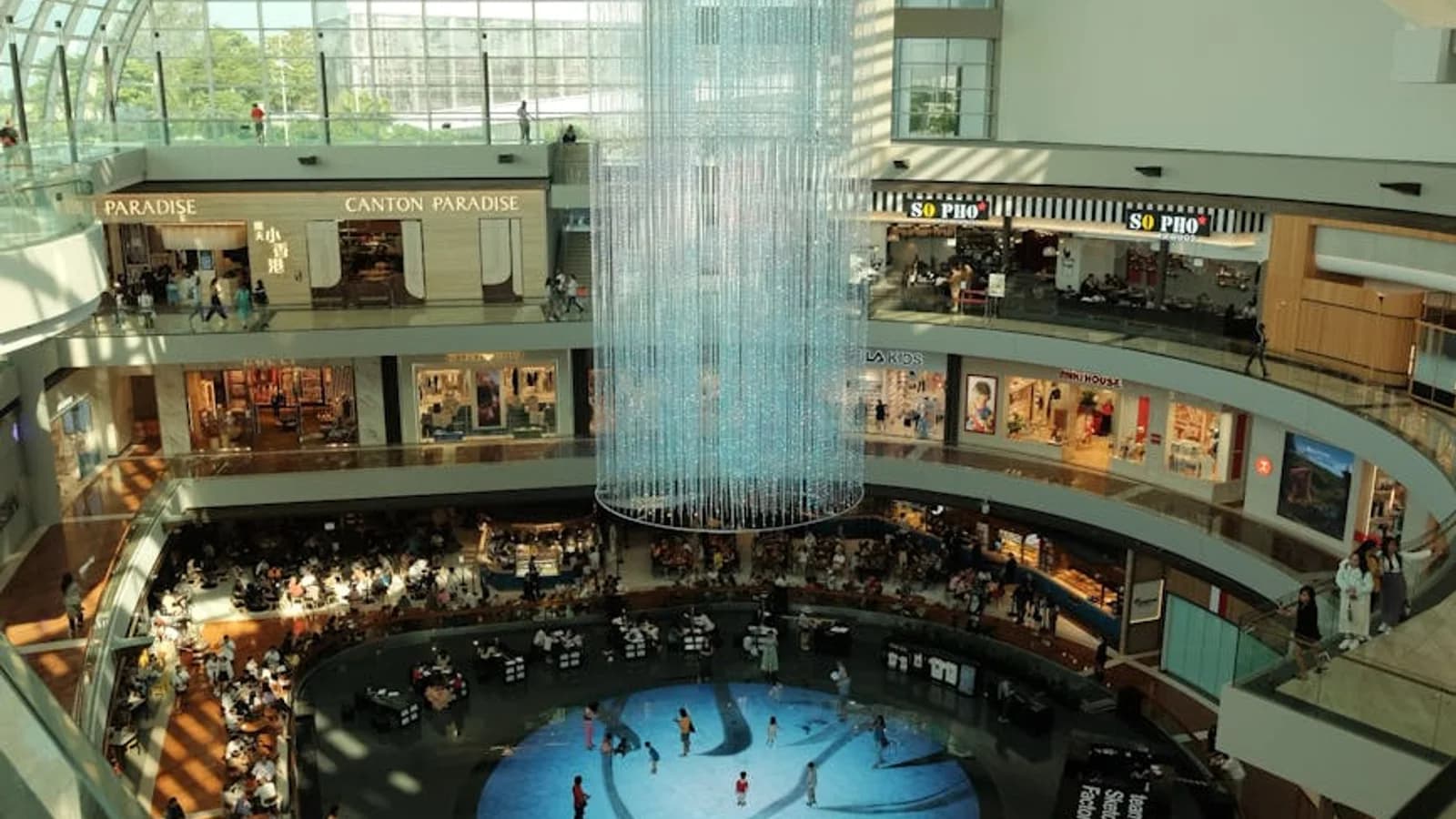
How mall teams can tell whether food hall activity is strengthening center-wide commerce or simply concentrating time in a self-contained zone.

A framework for identifying where basket-building journeys weaken before payment and how movement evidence can recover lost commercial value.

How stores can assign labor against entry pressure, evaluation pressure, and service pressure rather than using a single traffic curve for the whole day.

How retailers can use returns-desk movement, repeat visits, and service friction to uncover hidden issues in product confidence, sizing, and assisted selling.
How mall teams can tell whether family-oriented zones are improving whole-center value or simply trapping time without creating surrounding demand.
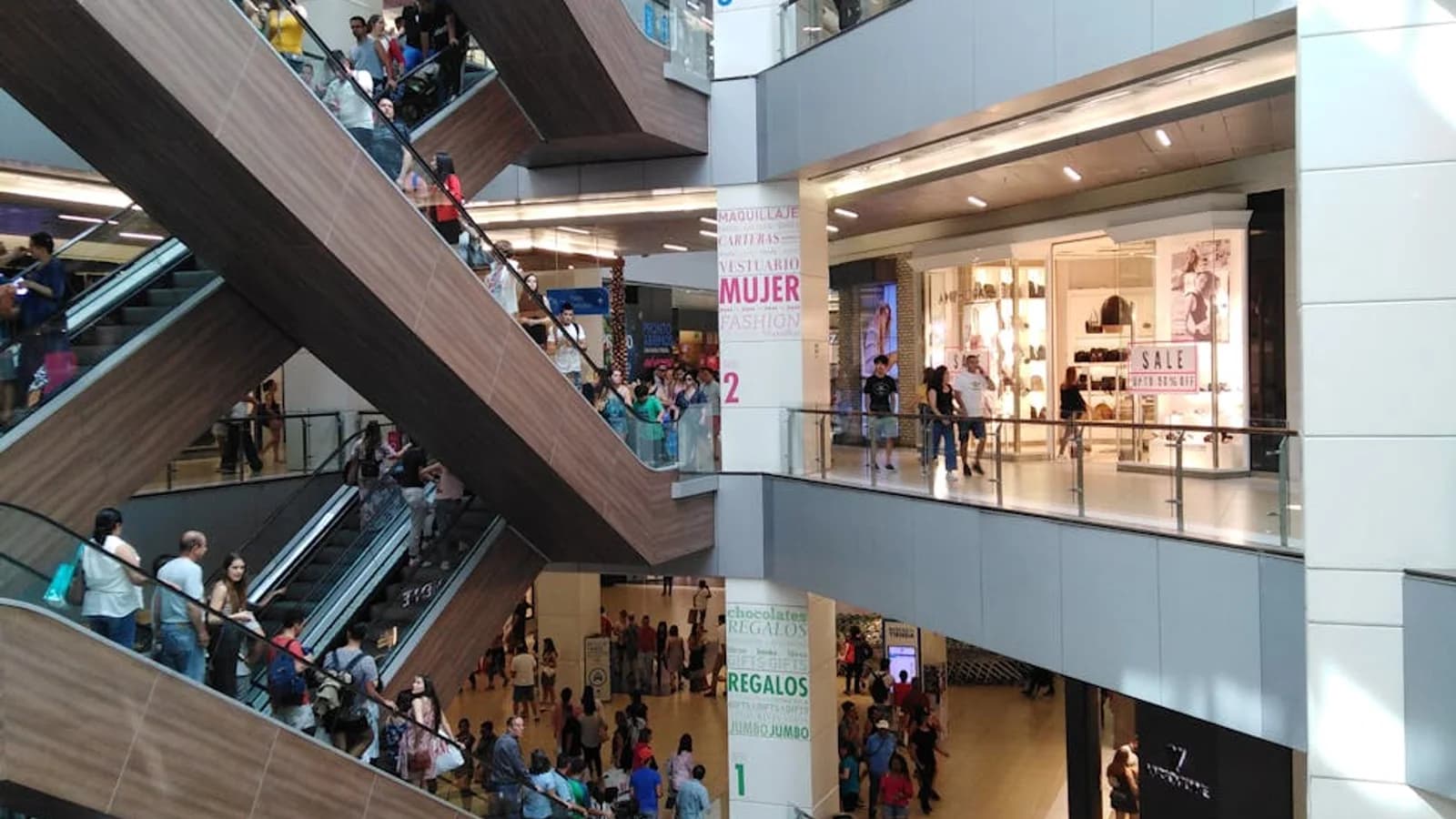
How mall operators can evaluate escalators, atriums, and floor transitions based on continuation quality instead of simple level-by-level traffic counts.
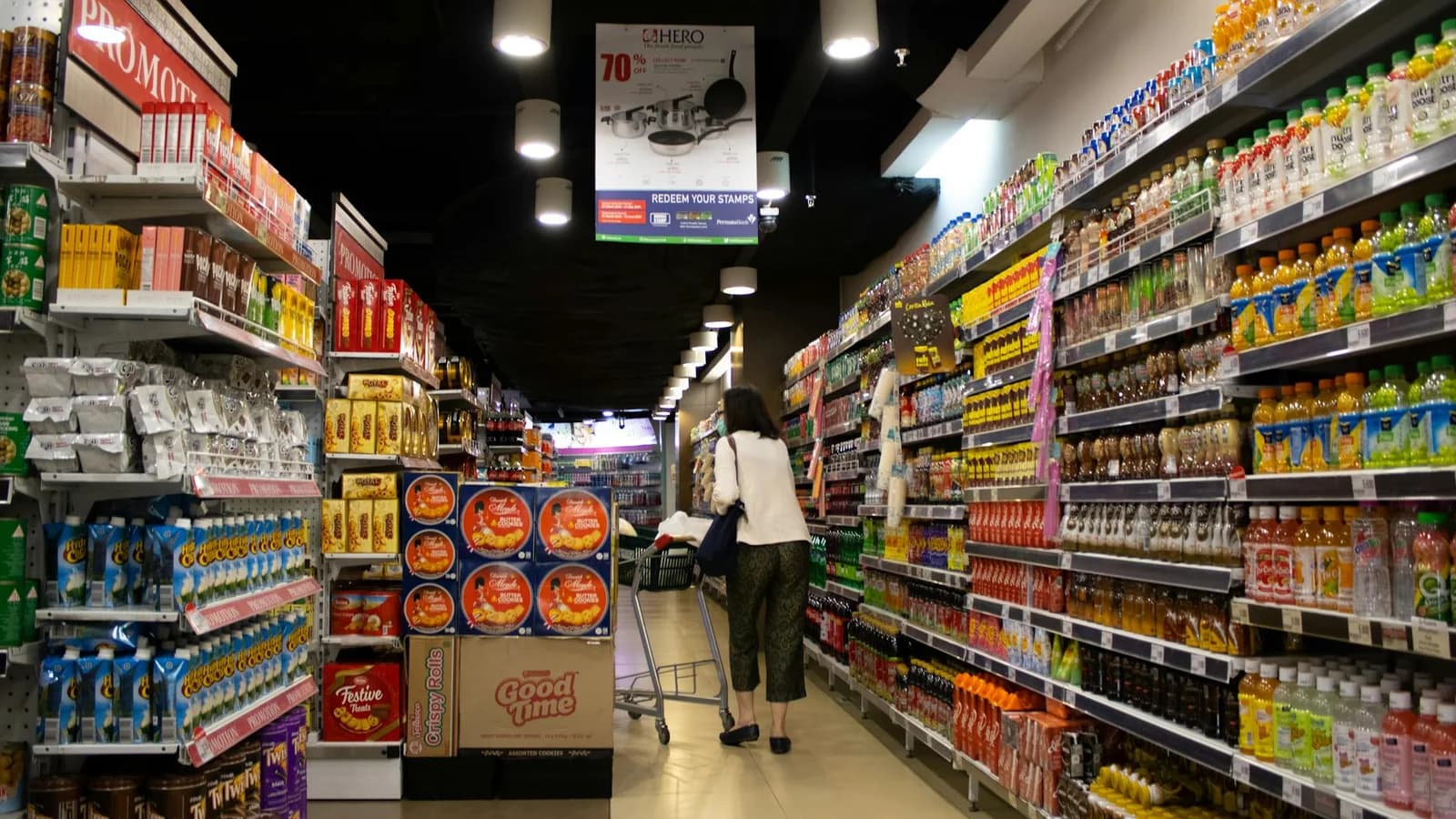
How retailers can judge whether promotional endcaps are truly capturing productive demand or merely creating visual noise that disrupts path quality.

A practical guide to using fitting room traffic, wait conditions, and return-to-floor behavior as leading indicators of conversion quality in fashion and specialty retail.
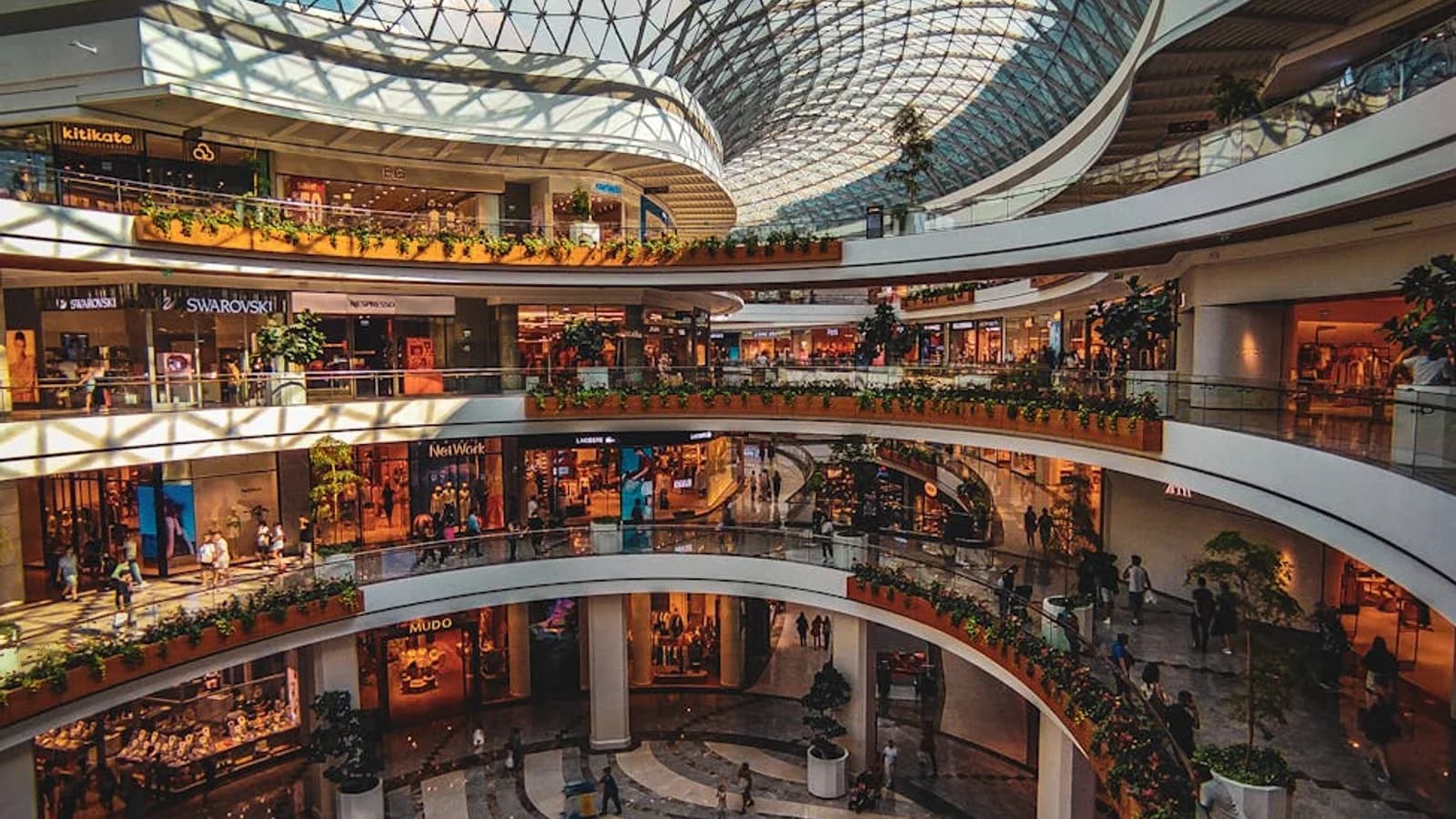
How mall teams can evaluate whether activations create productive circulation and tenant value rather than isolated crowding around the event footprint.
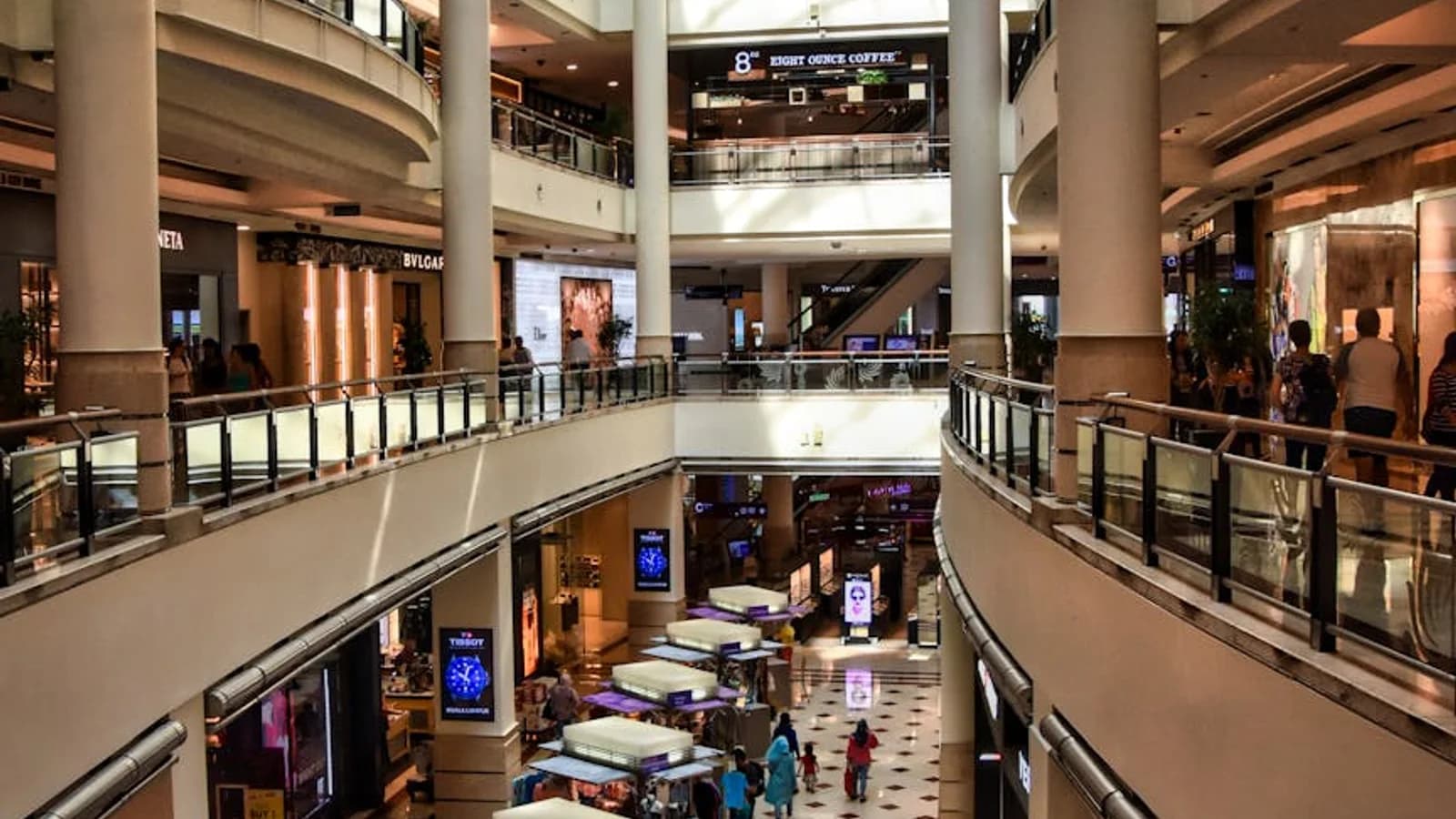
Why mall teams should distinguish between productive dwell, congested dwell, and passive waiting when evaluating food court performance.
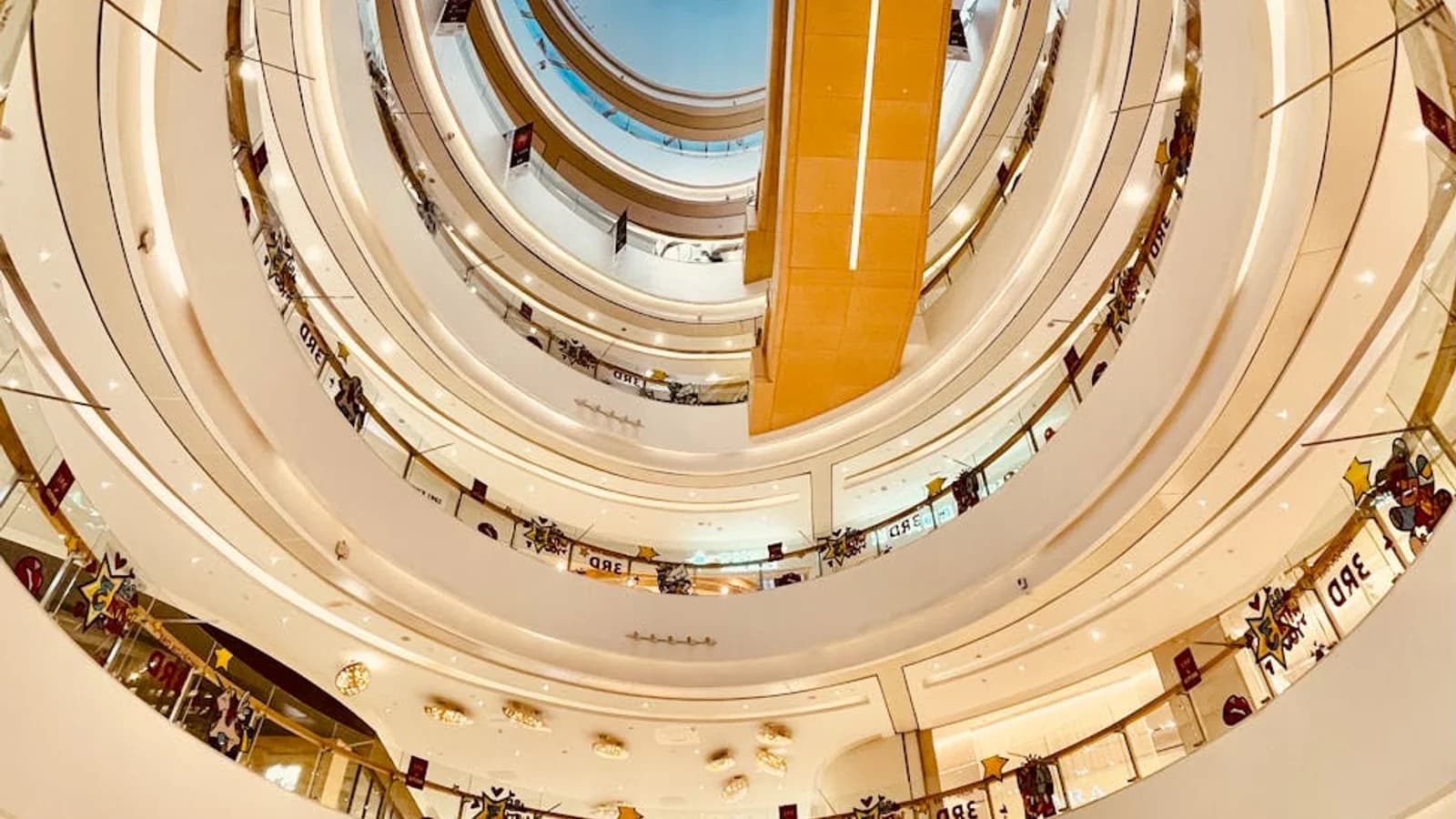
Why high-performing anchors are not enough unless their movement value actually distributes into adjacent corridors and supporting tenancy.
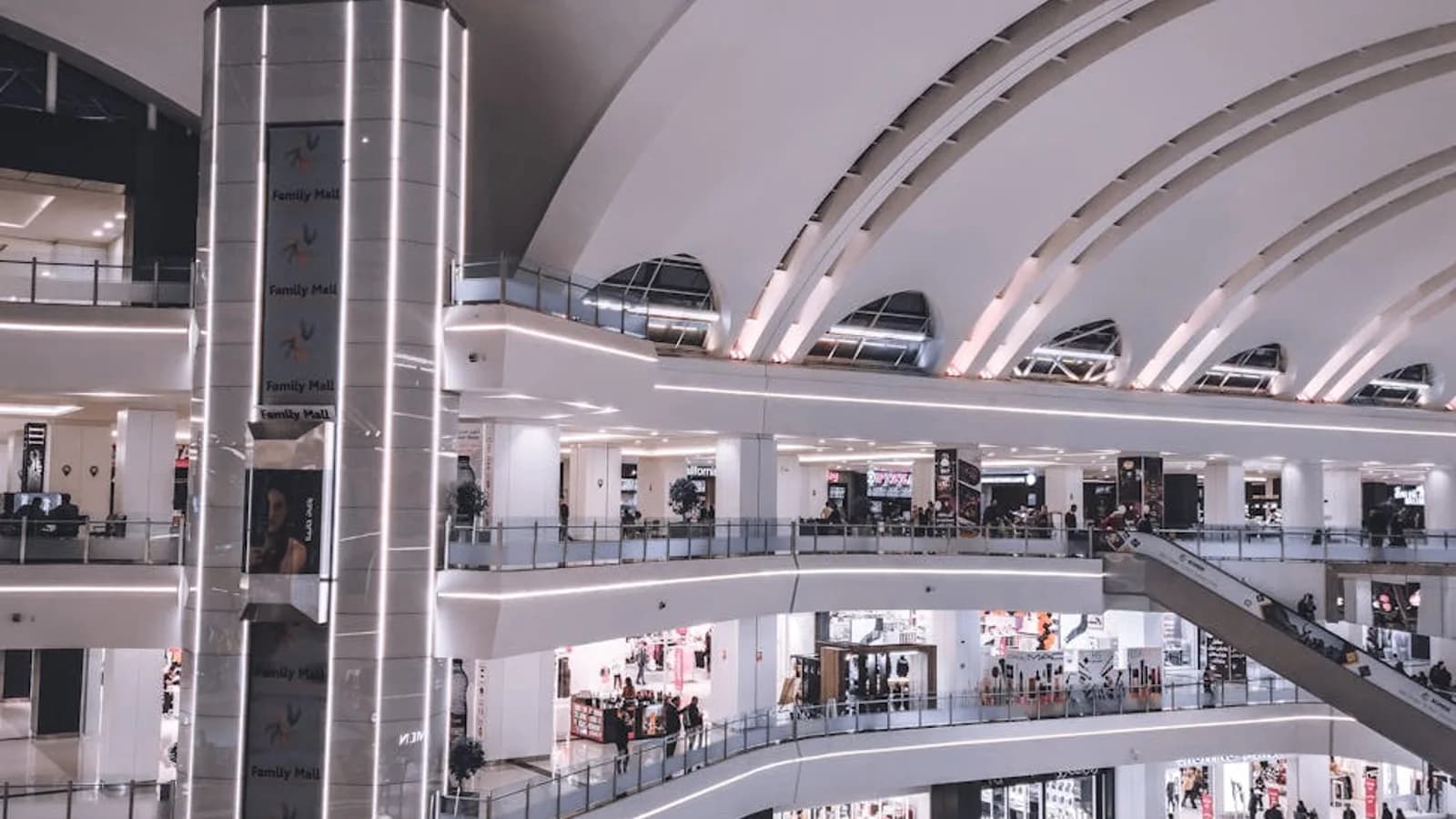
How mall operators can manage wave-based visitor pressure across entrances, corridors, anchors, and service areas instead of reacting late to peak congestion.
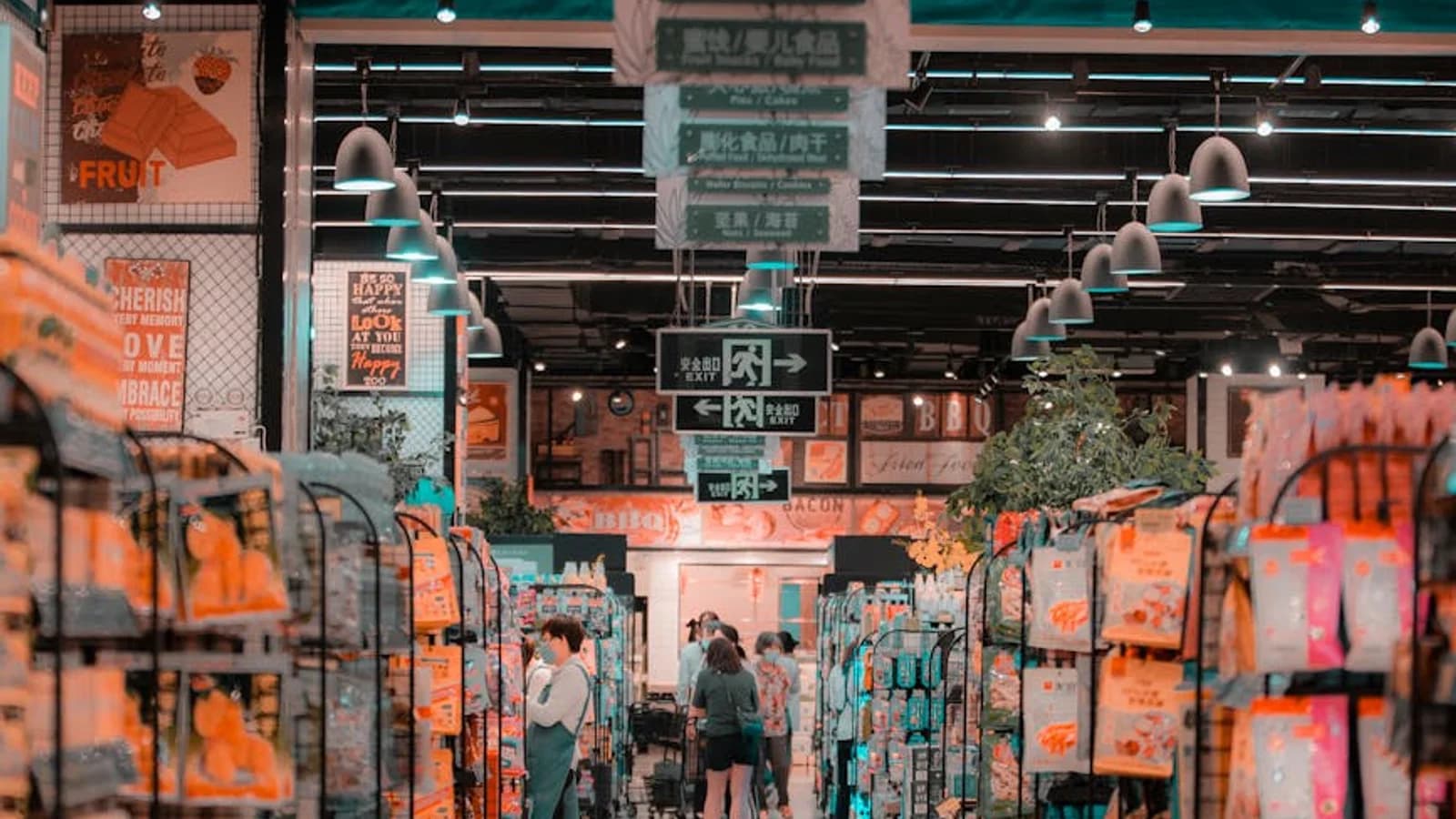
Why underperforming store zones should be treated as lost commercial opportunity, not just as low-traffic corners that are easy to ignore.

Why retailers lose conversion before visible queue failure, and how movement patterns reveal the early stress that standard reporting misses.

Why labor timing should respond to the quality and structure of incoming demand, not just to historic schedules and broad hourly traffic averages.

A better way to measure whether a campaign changed behavior on the floor, not just whether a promotion produced a visible transaction spike.
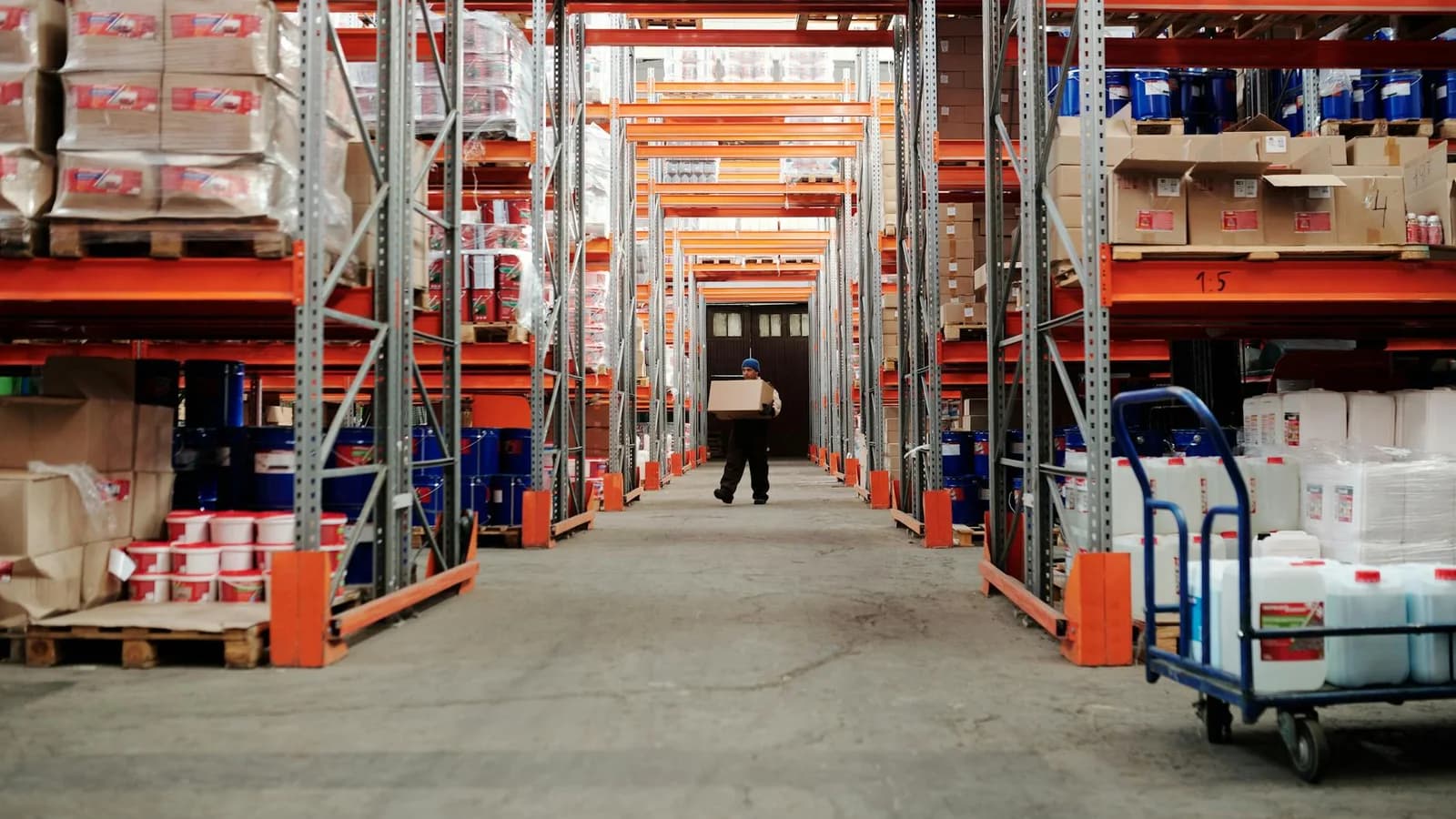
How warehouse operators can identify wasted motion, route conflict, and low-value circulation before it quietly suppresses throughput.

How healthcare environments can reduce waiting stress and improve throughput by understanding dwell, congestion, and transition behavior.

A practical view of how manufacturers can identify congestion, unsafe movement windows, and exposure patterns before they escalate into incidents.

How enterprise workplace teams can make better space decisions by measuring actual zone utilization instead of relying on badge data and sentiment alone.

How airport teams can improve passenger experience and operational stability by understanding queue stress, corridor friction, and decision-point hesitation.
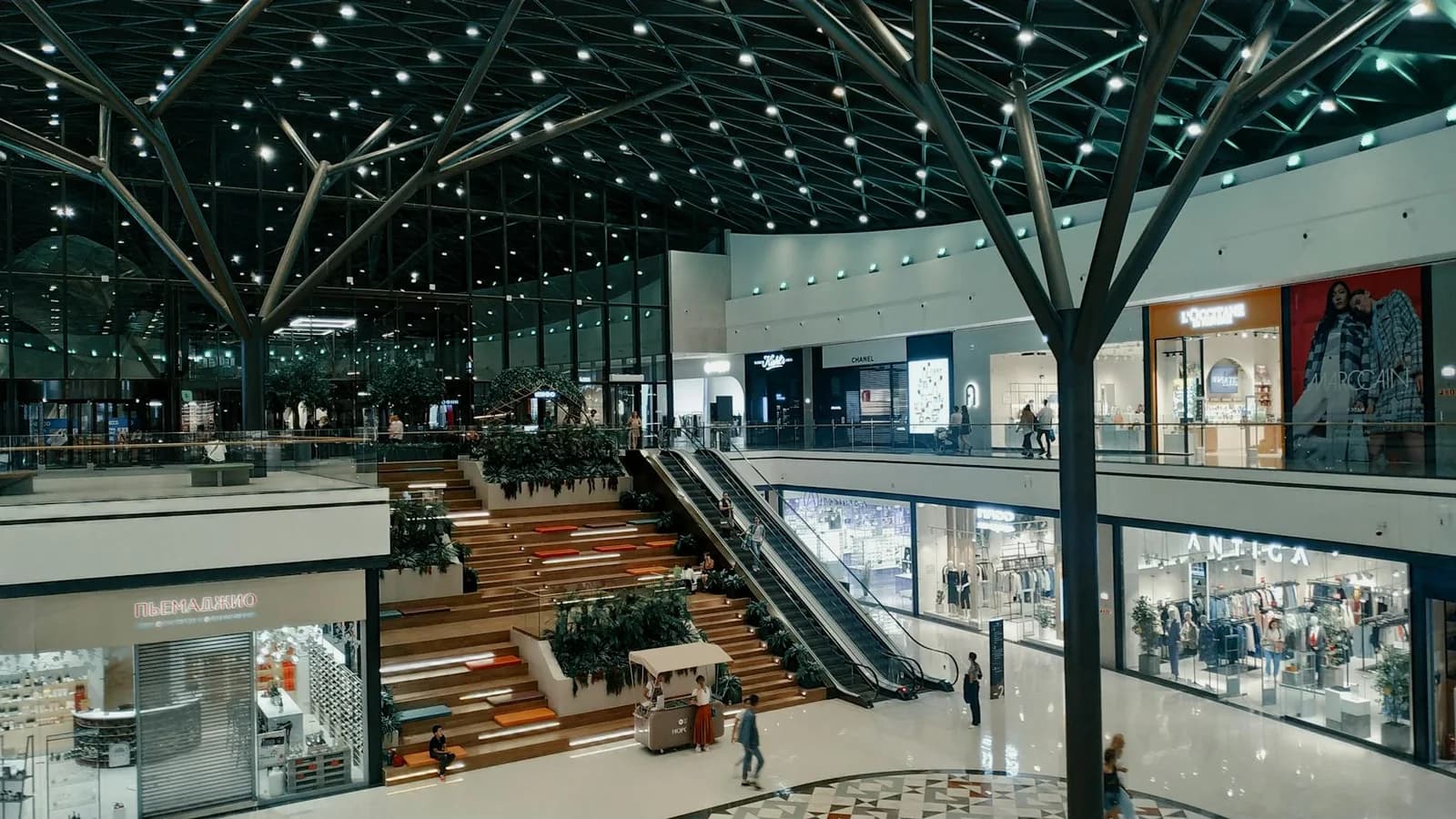
How mall teams can use movement behavior, repeat visitation, and zone engagement to make leasing and activation decisions with greater confidence.

A richer way to understand how stores earn demand by measuring behavior, pathing, service friction, and commercial attention inside the floor.
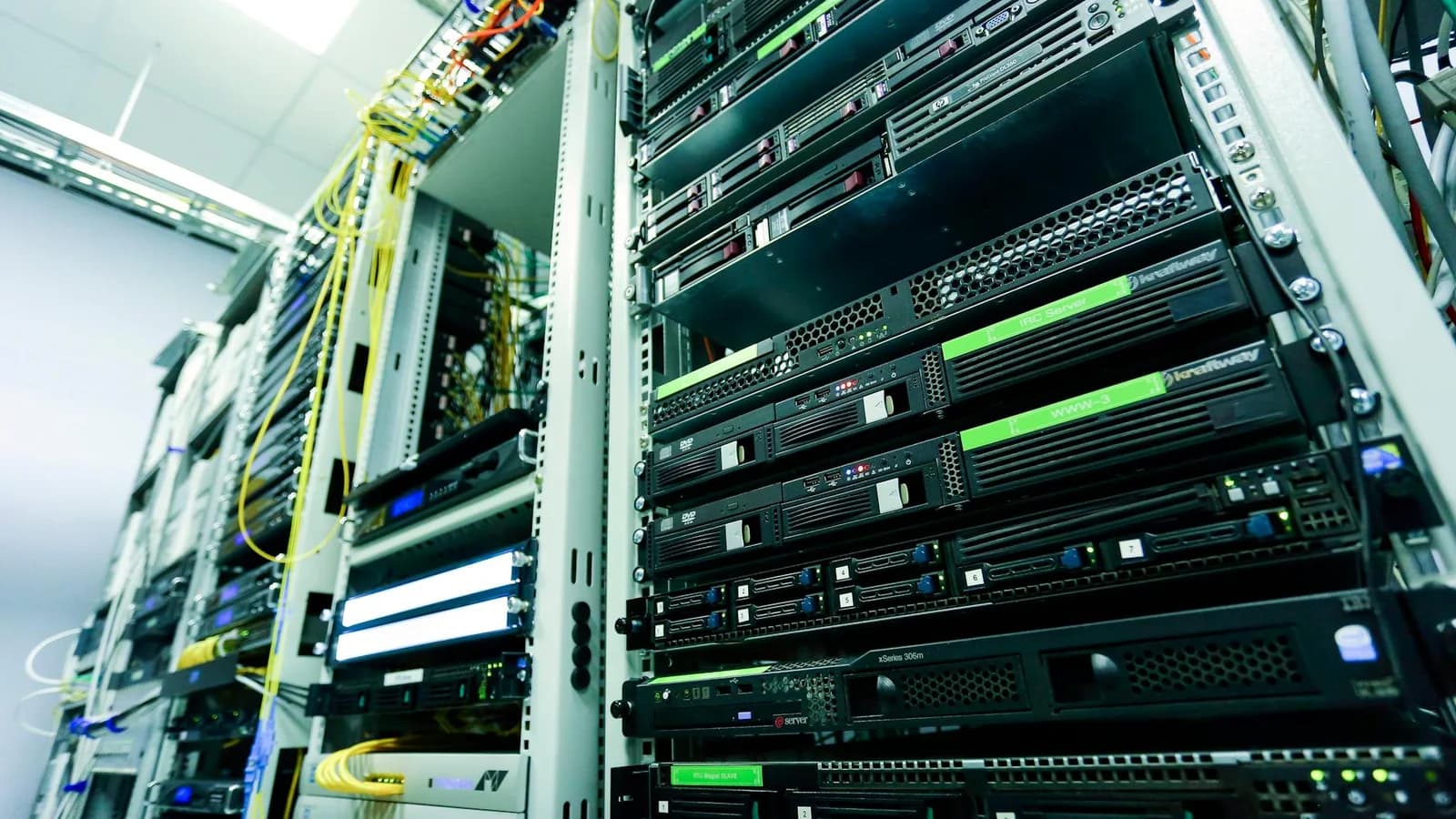
How enterprises should separate real-time interpretation at the edge from portfolio-level intelligence in the cloud.

A closer look at how mixed staff-and-visitor movement corrupts denominators, distorts trends, and weakens confidence in spatial reporting.
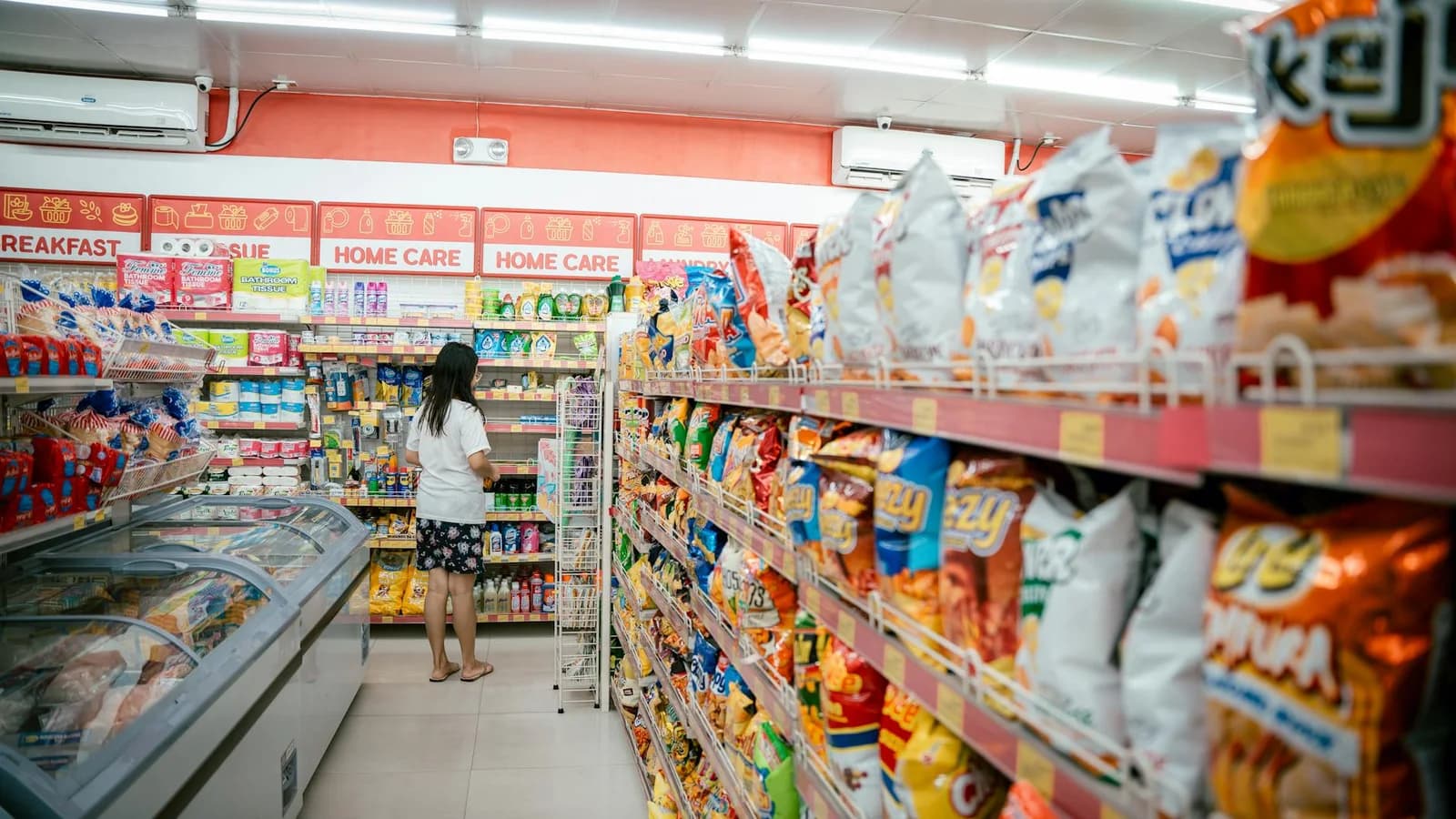
How enterprises can redesign flow, reduce dead zones, and improve space performance using actual movement density instead of subjective walkthroughs.

A practical approach to reducing abandonment, stabilizing service perception, and timing labor against actual queue buildup instead of guesswork.

A working model for turning traffic, dwell, and in-store movement into conversion actions that operations, merchandising, and finance can all align behind.
Book a guided session and we will map the highest-impact metrics for your space type and operating model.