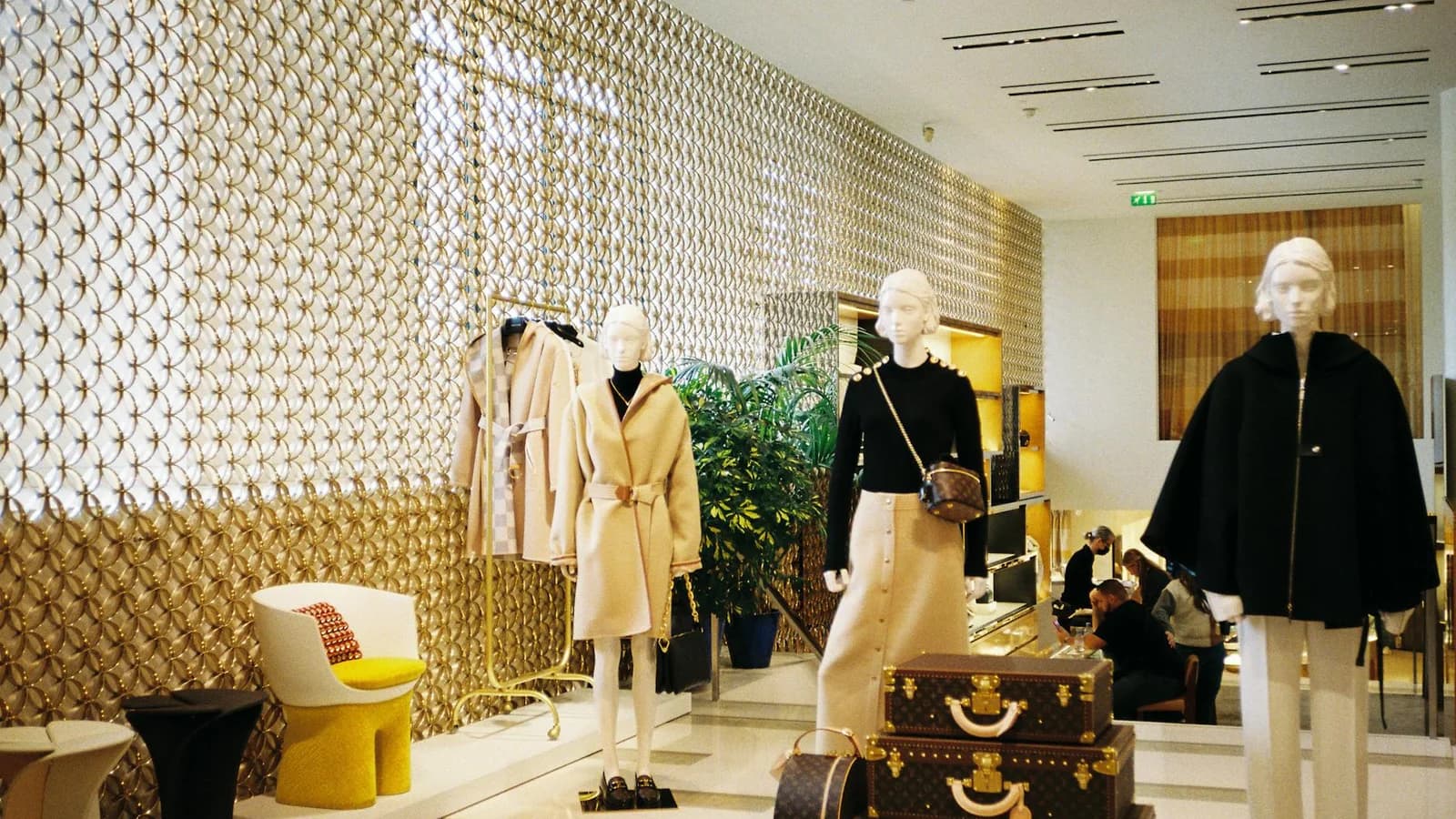
Most store labor models still lean too heavily on broad hourly traffic curves. That approach misses an important truth: not every hour of demand creates the same type of commercial work. Some periods create entrance-management pressure. Others create high evaluation pressure around fitting, consultation, or comparison. Still others create service-pressure around checkout, exchange, and queue recovery. Retailers that staff these different conditions as if they were identical leave conversion on the table.
Why traffic volume is an incomplete labor signal
Traffic can tell the store when demand is present, but it cannot tell the store what kind of support that demand requires. A heavy arrival period may still convert well with light assistance if the purchase path is simple. A smaller but more evaluation-heavy period may require stronger floor support, more fitting-room readiness, or faster queue recovery. Treating both conditions as the same staffing problem weakens efficiency and customer experience at the same time.
That is why labor timing should be linked to journey-stage pressure, not only raw volume. The store needs to understand what kind of customer work is forming in each period.
- Entry pressure requires visibility, greeting, and routing support.
- Evaluation pressure often requires consultation, fitting, or comparison support.
- Service pressure demands rapid recovery to avoid abandonment and confidence loss.
How to identify the real labor shape of the day
The strongest labor models examine where pressure builds across the floor. Does the day begin with broad browsing and later collapse into fitting-room demand? Do campaign windows create intense product evaluation without corresponding service capacity? Do checkout waves arrive after a long lag from entry, meaning support is needed later than the headline traffic curve suggests?
By reading movement and service patterns together, the business can identify whether it is under-supporting discovery, evaluation, or close-of-sale. That is a much more useful lens than assuming every high-traffic hour deserves the same staffing response.
The commercial upside of journey-stage staffing
When labor is timed to actual journey-stage pressure, the store becomes more coherent. Customers receive help when the decision is hardest, not merely when the building is busiest. Queue stress becomes less destructive. Fitting-room delays become more manageable. And the store can protect conversion without simply adding headcount everywhere.
For enterprise retailers, this creates both better customer economics and better labor discipline. It reframes staffing from a generic cost-control exercise into a conversion-support architecture.