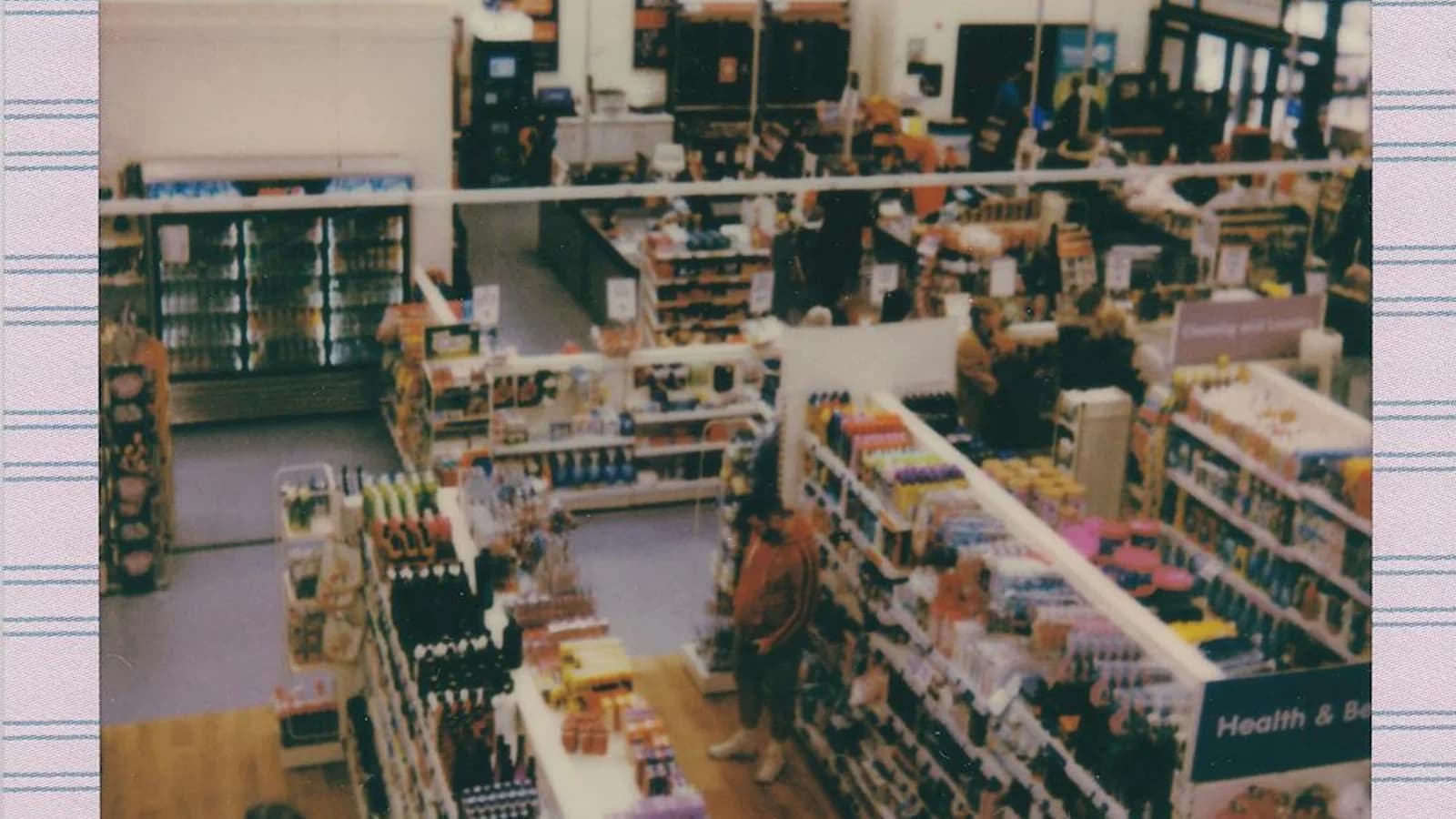
The space just after entry is often underappreciated. Retailers usually focus on the storefront, the hero zone, or the deeper category experience. But the first few seconds inside the threshold can determine whether the shopper feels oriented, overwhelmed, or commercially invited. A well-managed decompression zone helps the customer transition from outside attention to inside decision making without cognitive shock.
Why the threshold moment matters
Crossing into the store is not the same as becoming ready to buy. Customers need a brief transition in which they absorb the environment, reorient their visual focus, and decide where the journey begins. If the space immediately after entry is too aggressive, too dense, or too ambiguous, the shopper may move forward physically while still lacking commercial clarity.
This makes the decompression zone an important determinant of first-decision quality.
- Entry is a psychological transition, not just a physical crossing.
- First-decision clarity affects the whole downstream journey.
- Overloading the threshold can weaken the effectiveness of the hero zone itself.
What strong decompression design does
A strong decompression zone creates enough space and visual hierarchy for the shopper to read the environment quickly. It signals where attention should go next without demanding too many decisions at once. The result is a smoother handoff from arrival to purposeful exploration.
This does not mean the area should be empty. It means the area should be intentional, with enough restraint to support stronger decisions just beyond it.
How retailers should evaluate threshold performance
Retailers should observe how quickly shoppers commit to a path after entry, whether they pause in confusion, and whether the first continuation supports the commercial priorities of the store. These behaviors reveal whether the threshold is preparing the customer effectively or forcing them to self-correct immediately after arrival.
Done well, decompression design improves the quality of the entire journey by getting the first 10 seconds right.