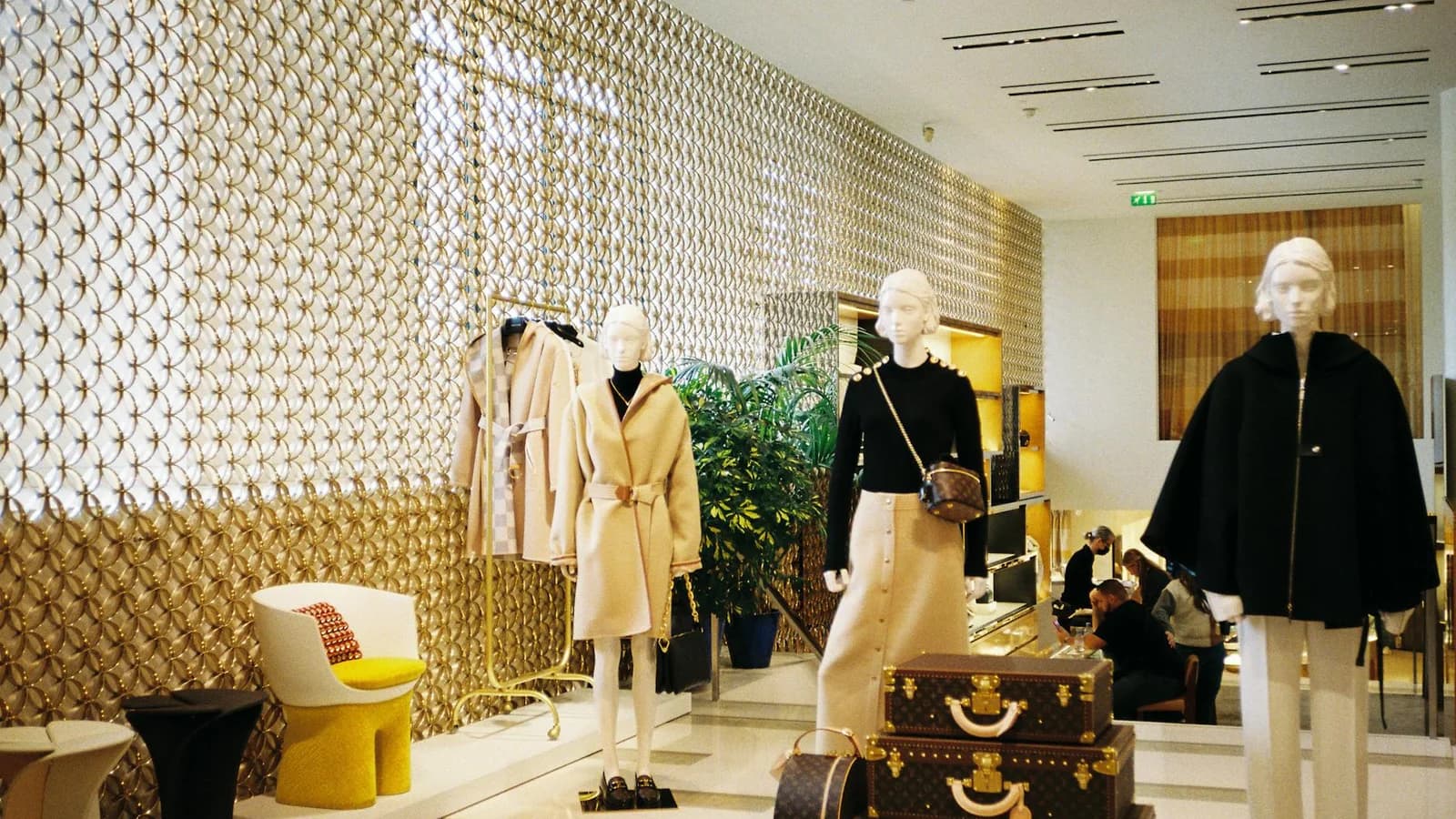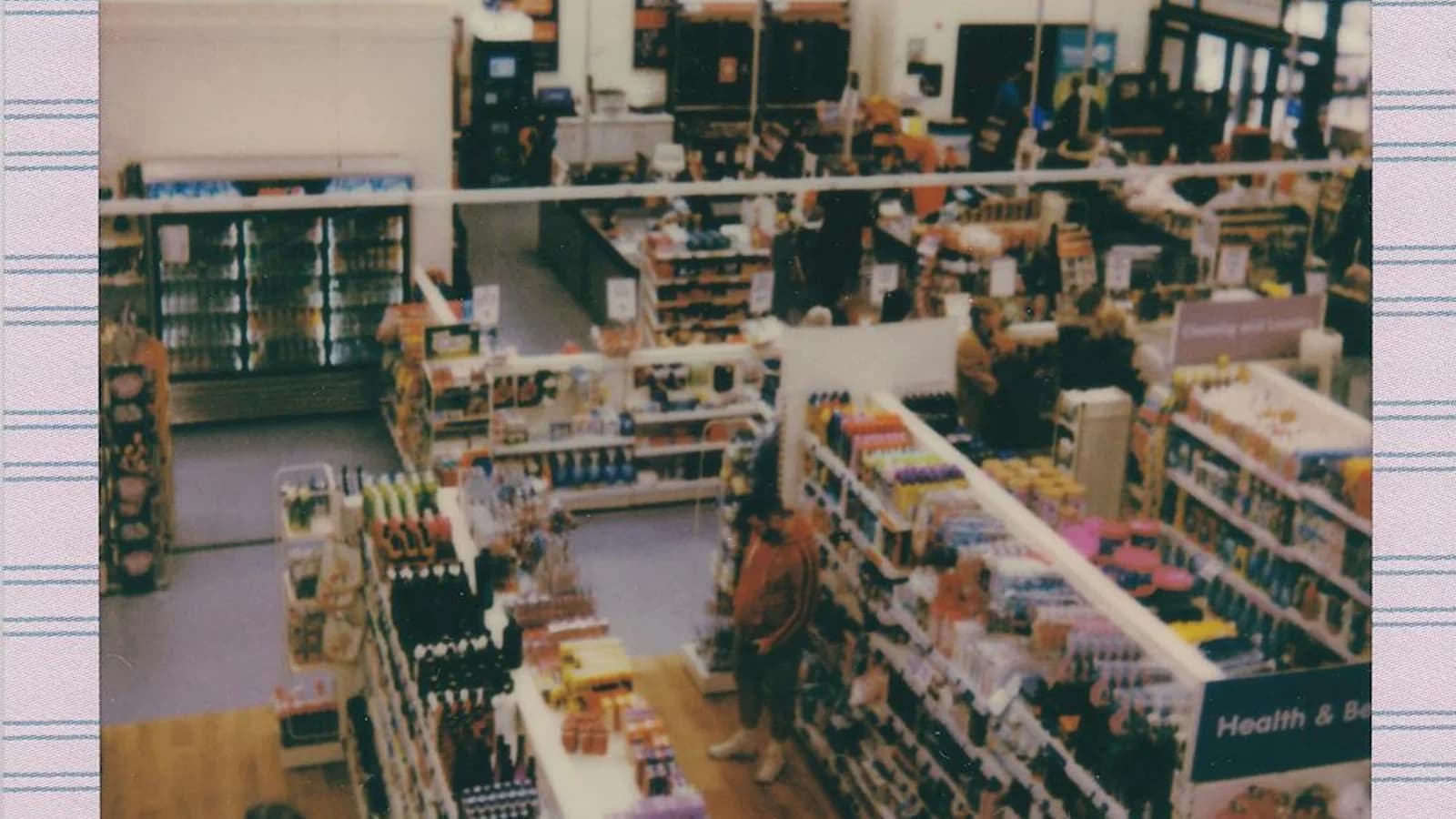
More assortment does not automatically create more value. In many physical stores, excessive density makes categories harder to decode, slows comparison, and increases the risk that shoppers abandon the decision entirely. The right commercial question is not how much can fit on the floor. It is how much the shopper can process confidently enough to keep moving toward purchase.
Why too much choice can weaken physical conversion
Choice overload is well documented in digital commerce, but it is just as real on the shop floor. When a category presents too many similar options without a clear hierarchy, shoppers spend more effort interpreting the set and less effort progressing through the journey. That creates longer hesitation, weaker basket growth, and greater dependence on staff rescue.
In stores with high traffic and limited assistance, this effect becomes especially costly because decision friction multiplies quickly across many customers.
- Dense assortment can reduce confidence even when product availability is strong.
- Weak visual hierarchy forces the shopper to do the store’s sorting work.
- Choice clarity improves both speed and quality of decision making.
How to recognize unhealthy assortment density
Unhealthy density often appears as repeated hesitation in front of a category wall, frequent back-and-forth comparison without progression, or a high reliance on staff intervention for otherwise simple decisions. It can also show up as weak continuation from a hero zone into the core assortment because the transition from attraction to evaluation becomes too cognitively heavy.
These behaviors matter because they reveal when assortment is visually abundant but commercially inefficient.
What stronger assortment design looks like
The best retailers compress complexity without shrinking value. They use visual grouping, path logic, and support cues to make categories easier to decode while preserving breadth where it actually matters. This helps customers orient faster, compare with less effort, and move into purchase with more confidence.
That is where assortment strategy becomes commercially mature. The goal is not maximum SKU display. The goal is maximum decision quality per square foot.