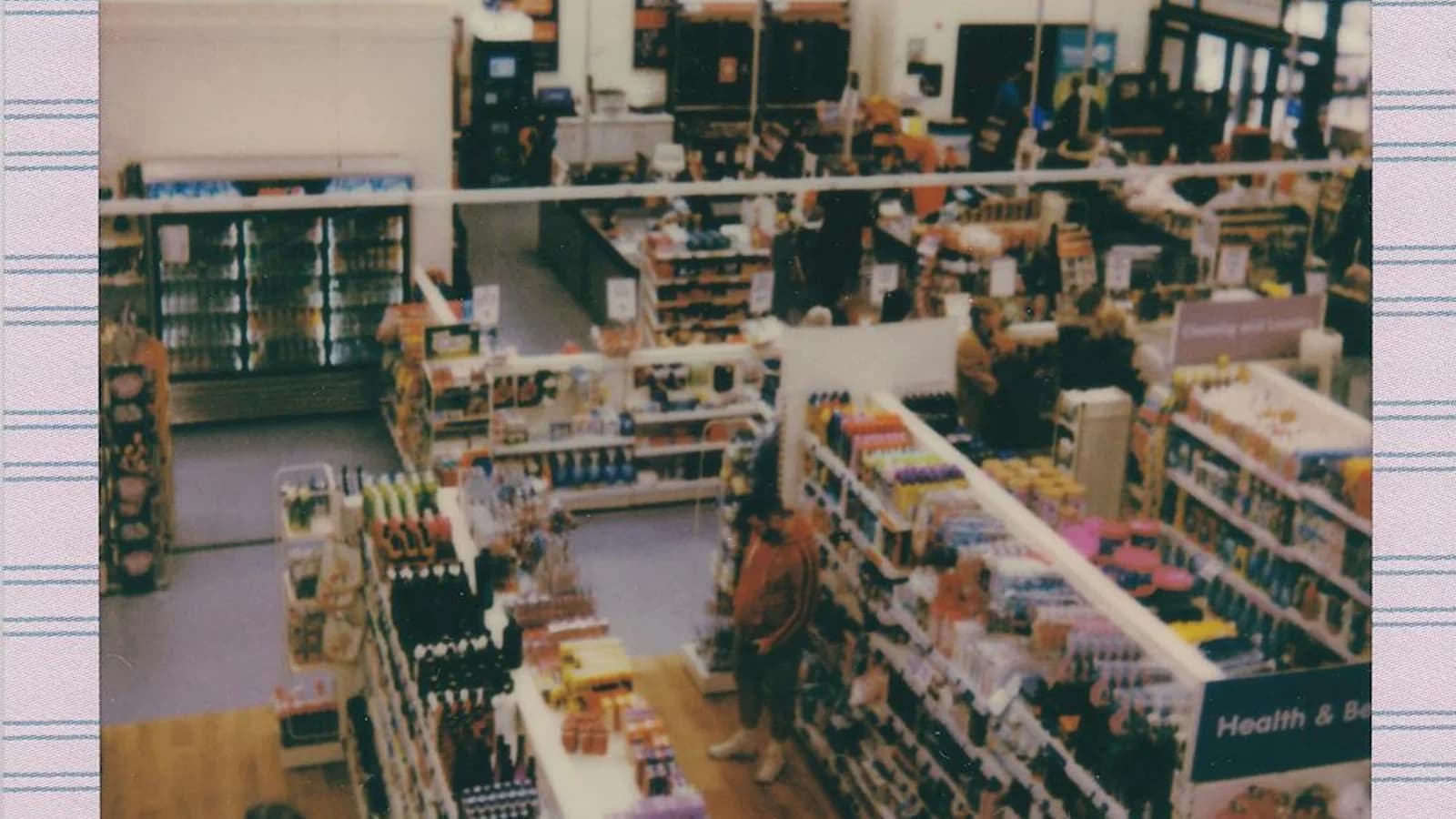
Not all checkout failure begins with a visible line. Often it begins earlier, in the small pauses and clustering behaviors that form just before the queue becomes formally obvious. These micro-queues matter because customers interpret them as signs of emerging friction. If the store waits until the queue looks serious, it has already allowed confidence to weaken at the final commercial stage.
Why early-stage clustering matters
A small build-up near payment points can create disproportionate psychological impact. Customers do not only react to actual wait length; they react to uncertainty, perceived disorder, and the fear that payment is becoming effortful. In high-intent environments, even a short moment of doubt can narrow basket ambition or increase abandonment risk.
That is why micro-queue behavior should be treated as an early warning signal rather than a negligible precursor.
- Visible disorder can matter as much as measured wait time.
- The final stage of the journey is highly sensitive to confidence loss.
- Early intervention is cheaper than late-stage recovery.
What micro-queue pressure looks like
Micro-queue pressure often appears as hesitant clustering near queue entries, repeated re-positioning, uncertainty about open tills, or spillover that briefly blocks adjacent circulation. These are not dramatic failures, but they shape the customer’s emotional reading of the store at the moment closest to purchase completion.
Because this pressure is subtle, many operators miss it unless they are looking specifically for it. Yet repeated small frictions can accumulate into measurable commercial loss.
How stronger stores manage the final approach
The best stores design and monitor the final approach to checkout as carefully as they manage major display zones. They protect queue entry clarity, reduce ambiguity around service availability, and treat the pre-queue area as a conversion-sensitive zone rather than dead operational space.
This creates a smoother finish to the journey and helps preserve the value the store has already spent the entire visit building.