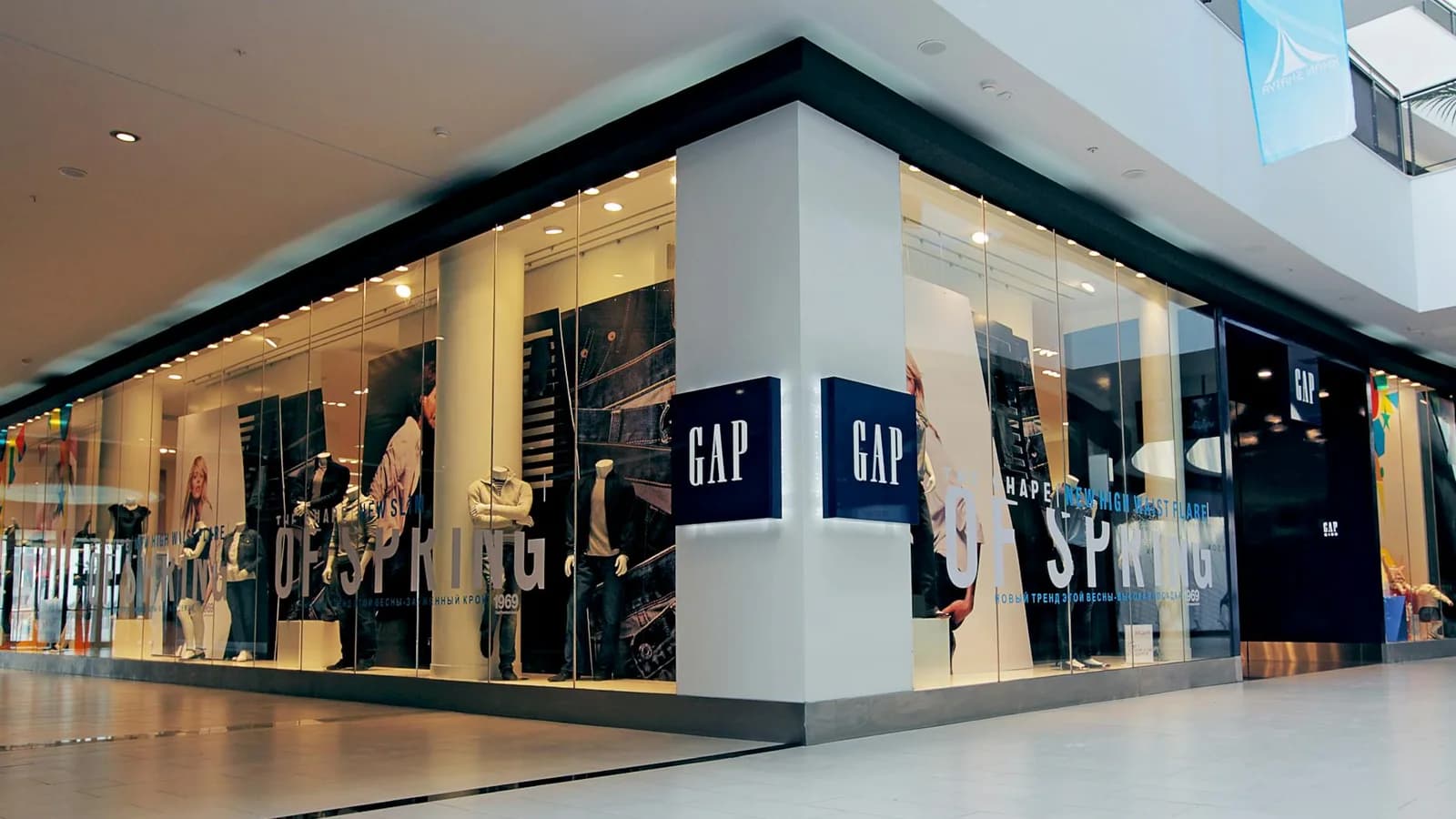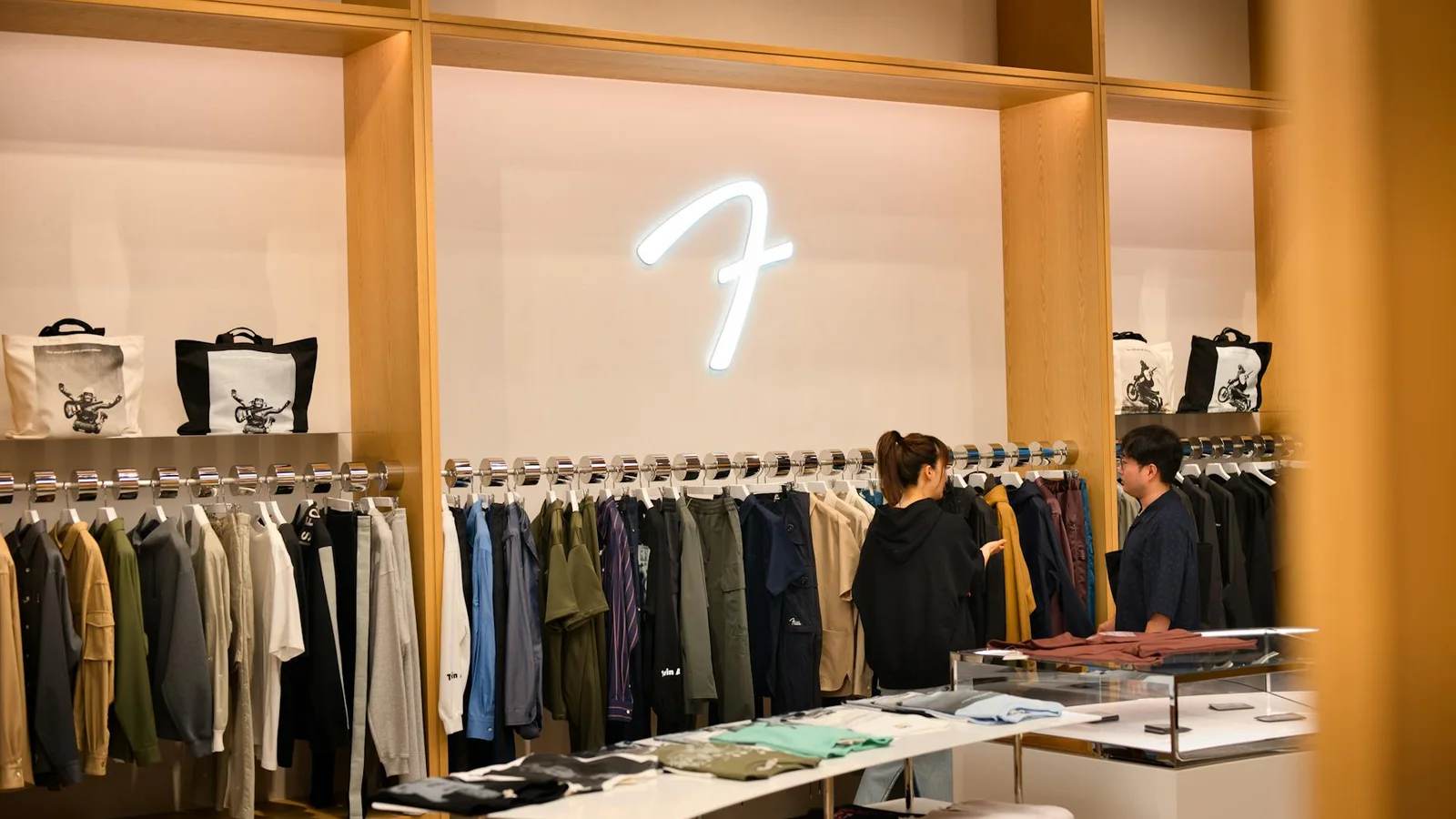
Conversion begins earlier than most operators assume. It starts at the first route decision after entry, where the visitor decides whether the space feels understandable, worthwhile, and commercially readable. If threshold routing is weak, the business often tries to recover later with labor, promotions, or service intensity. A stronger model shapes the first decision properly and reduces the need for downstream rescue.
Why the first route decision matters disproportionately
Once a visitor commits to a path, much of the rest of the journey becomes easier to predict. The first route choice determines what gets seen, what gets skipped, and whether the visitor enters the store with confidence or with uncertainty. That means threshold routing is not cosmetic choreography. It is one of the earliest commercial filters on the entire visit.
If this moment is mishandled, later parts of the store spend their effort compensating for weak initial orientation rather than building momentum toward purchase.
- The first path shapes visibility and attention allocation downstream.
- Weak routing increases hesitation before the store has earned engagement.
- Good routing reduces the need for later-stage commercial recovery.
How poor routing quietly suppresses conversion
Poor threshold routing often appears as shallow entry behavior, indecisive lateral drift, or overreliance on the most obvious corridor regardless of commercial intention. Visitors may still enter the building, but their journey begins without conviction. This weakens hero-zone interception, reduces exposure to priority adjacencies, and increases the chance of low-quality traffic circulating without converting.
These losses rarely appear clearly in a standard traffic report. They show up only when movement is examined as a precursor to conversion, not merely as occupancy.
What better threshold routing achieves
The strongest operators use threshold design to simplify early decision-making, establish a readable commercial invitation, and direct visitors into the most productive path without making the environment feel forced. This improves the usefulness of admitted traffic and raises the probability that later zones receive visitors already oriented toward action.
In effect, better routing lifts conversion by improving the commercial quality of the journey before the store starts asking for purchase commitment.