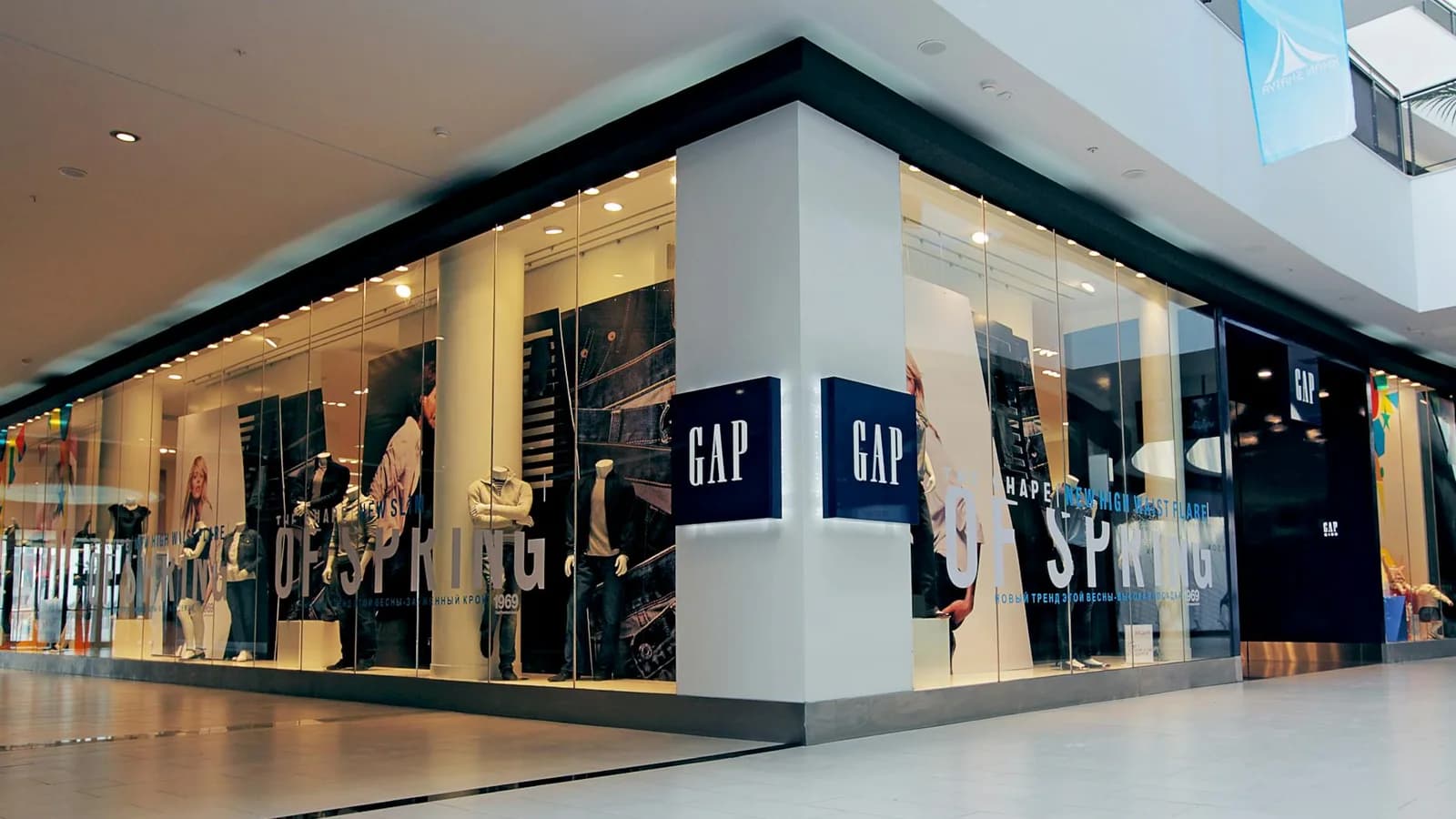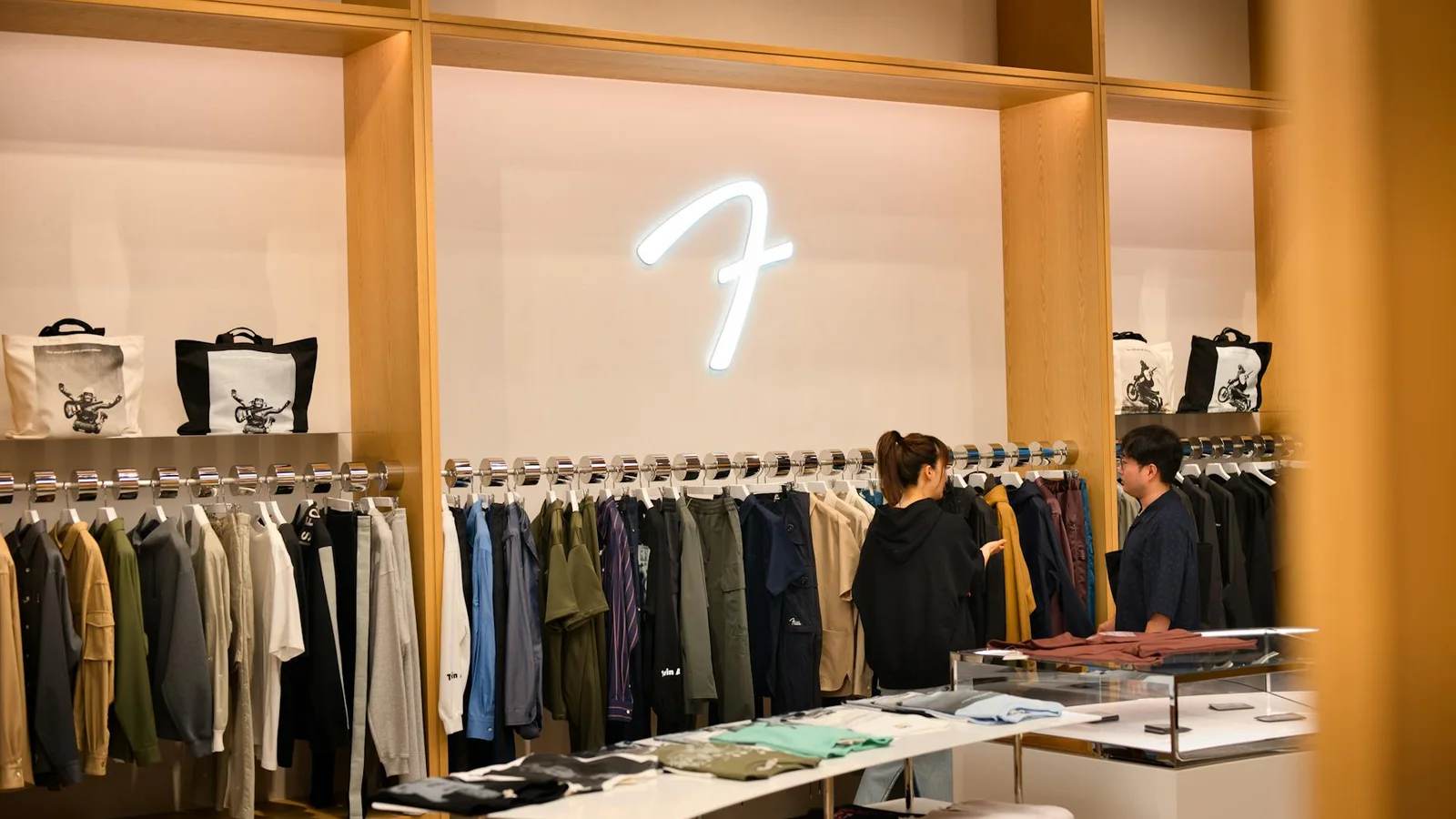
Commercial environments often wait too long to judge whether a visit is becoming productive. By the time deep engagement is visible, the early momentum of the journey has already been set. The first impression of the space shapes willingness to continue, attentional readiness, and the speed with which the visitor starts turning movement into commercial opportunity.
Why momentum matters before visible engagement
Not every productive visit begins with an obvious pause or display interaction. Many begin with a subtler condition: the visitor feels oriented enough, interested enough, and confident enough to keep moving deeper into the environment. That forward bias is momentum, and it is often decided before conventional engagement metrics begin to rise.
If the environment weakens this momentum through visual confusion or low-confidence threshold cues, later zones inherit a visitor who is physically present but commercially softer.
- Momentum is an early commercial condition, not just a later conversion result.
- Strong first impressions improve the quality of downstream engagement.
- Weak early momentum creates visits that circulate without deepening.
How environments gain or lose early momentum
Momentum grows when the space feels readable, directional, and promising. It weakens when the space feels cluttered, uncertain, or over-demanding too early. This is why entrance choreography, early sightlines, and initial zone sequence matter so much. They do not merely set the tone; they shape how much commercial energy survives into the rest of the journey.
In practice, this means conversion strategy should begin at the first impression, not at the first measurable stop.
Turning momentum into conversion discipline
Organizations that understand momentum can improve it systematically. They can redesign early visibility, compare threshold outcomes, and identify which entrances or opening sequences produce more committed movement. This creates a stronger bridge between traffic quality and conversion performance.
Instead of waiting to rescue weak visits later, the business starts more visits on a commercially stronger footing from the start.