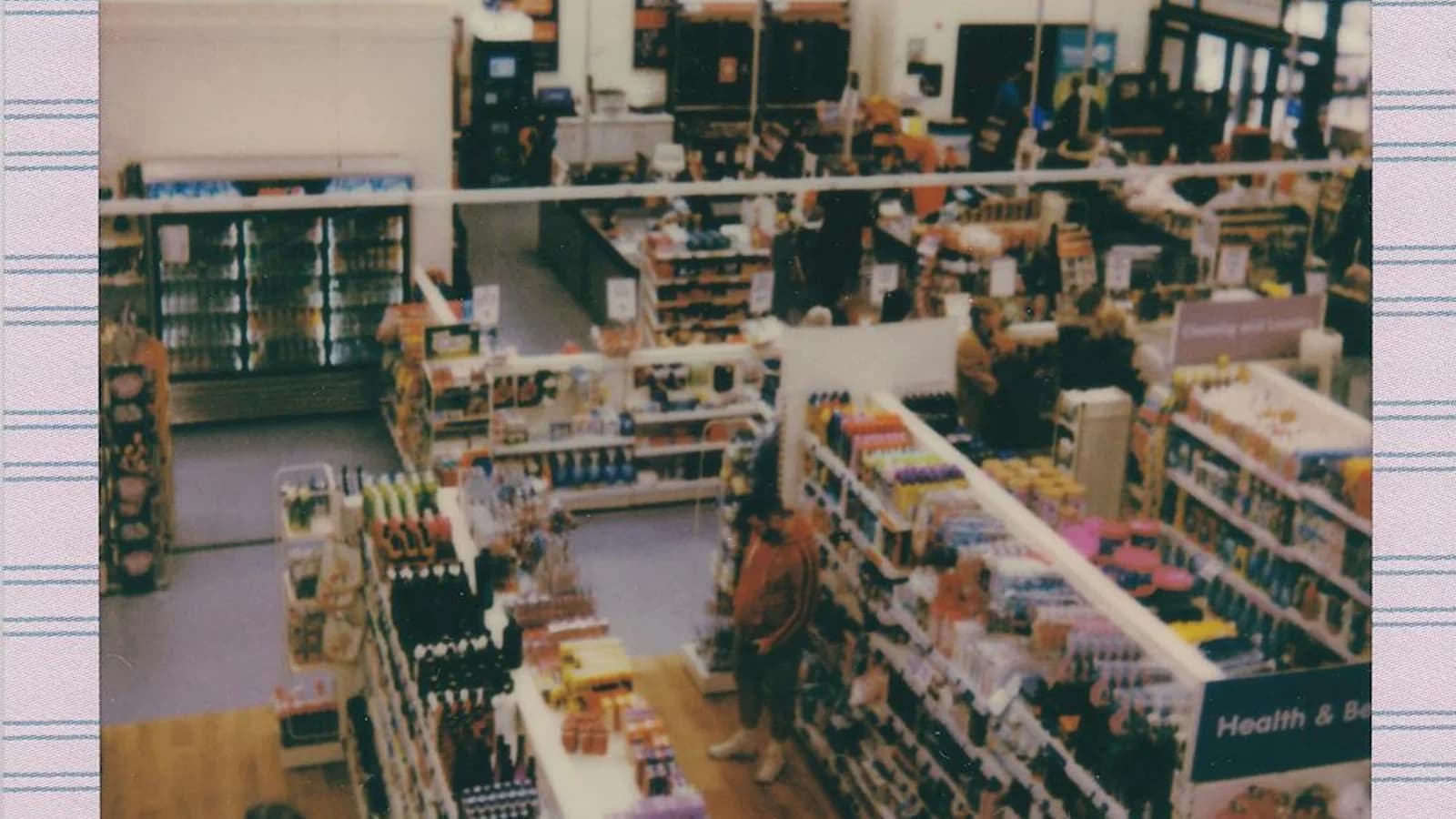
Replenishment keeps the store sellable, but poorly timed replenishment can also interfere with the very demand it is meant to support. Cages, carts, staff clustering, and blocked sightlines can weaken circulation, disrupt pause behavior, and push high-intent customers away from the moment of decision. This creates a tradeoff that many retailers still manage with broad rules rather than live behavioral evidence.
Why operational necessity can still create commercial loss
No retailer can avoid replenishment activity. The problem is not whether it happens, but when and where it happens relative to shopper flow. A replenishment task that is harmless at one hour may be highly disruptive at another. Likewise, the same action may be low-risk in one corridor and high-cost in another depending on route density and decision sensitivity.
Without this behavioral context, stores often default to generalized replenishment windows that protect stock but unknowingly tax conversion.
- Blocked visibility can reduce category entry even when stock is healthy.
- Mid-decision interference can weaken basket confidence more than leadership expects.
- Operational discipline should be measured against customer flow, not only task completion.
What better replenishment timing looks like
Better timing does not simply mean replenishing earlier or later. It means understanding which routes, zones, and dayparts are more tolerant of operational activity and which are highly sensitive to interruption. This lets the store protect its most valuable moments while still maintaining shelf readiness.
For enterprise operators, this is especially useful because it reduces the false tradeoff between availability and experience. The store can improve both if it schedules with the right behavioral logic.
How to operationalize the insight
Retailers should review replenishment against observed movement pressure, pause quality, and category-level conversion risk. This makes it easier to redesign task windows, route stock movement differently, or protect certain zones during higher-intent periods. Over time, replenishment becomes part of the commercial operating model rather than a background task that occasionally gets in the way.
That shift matters. It makes store operations more intelligent and reduces self-inflicted friction on the floor.