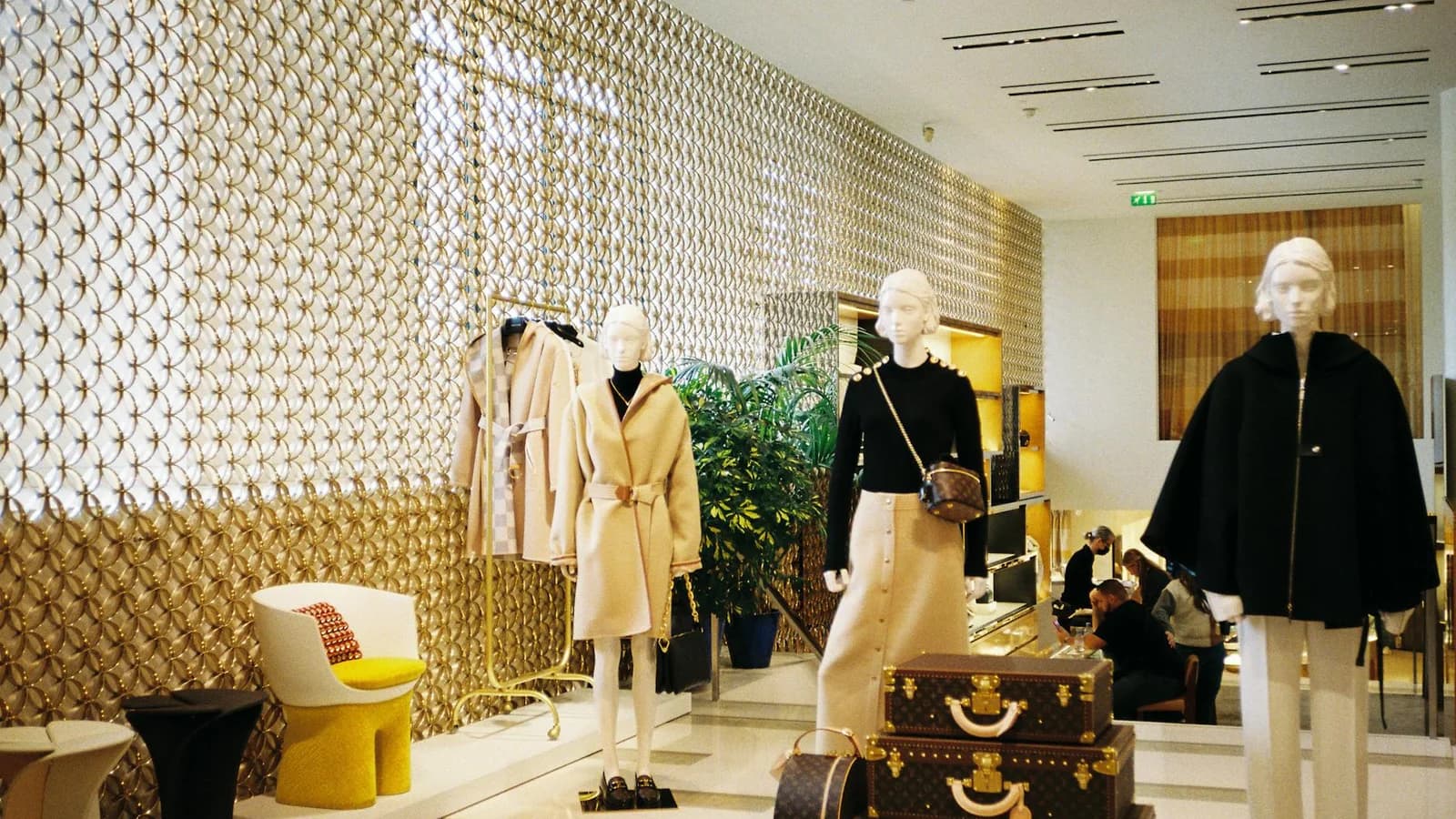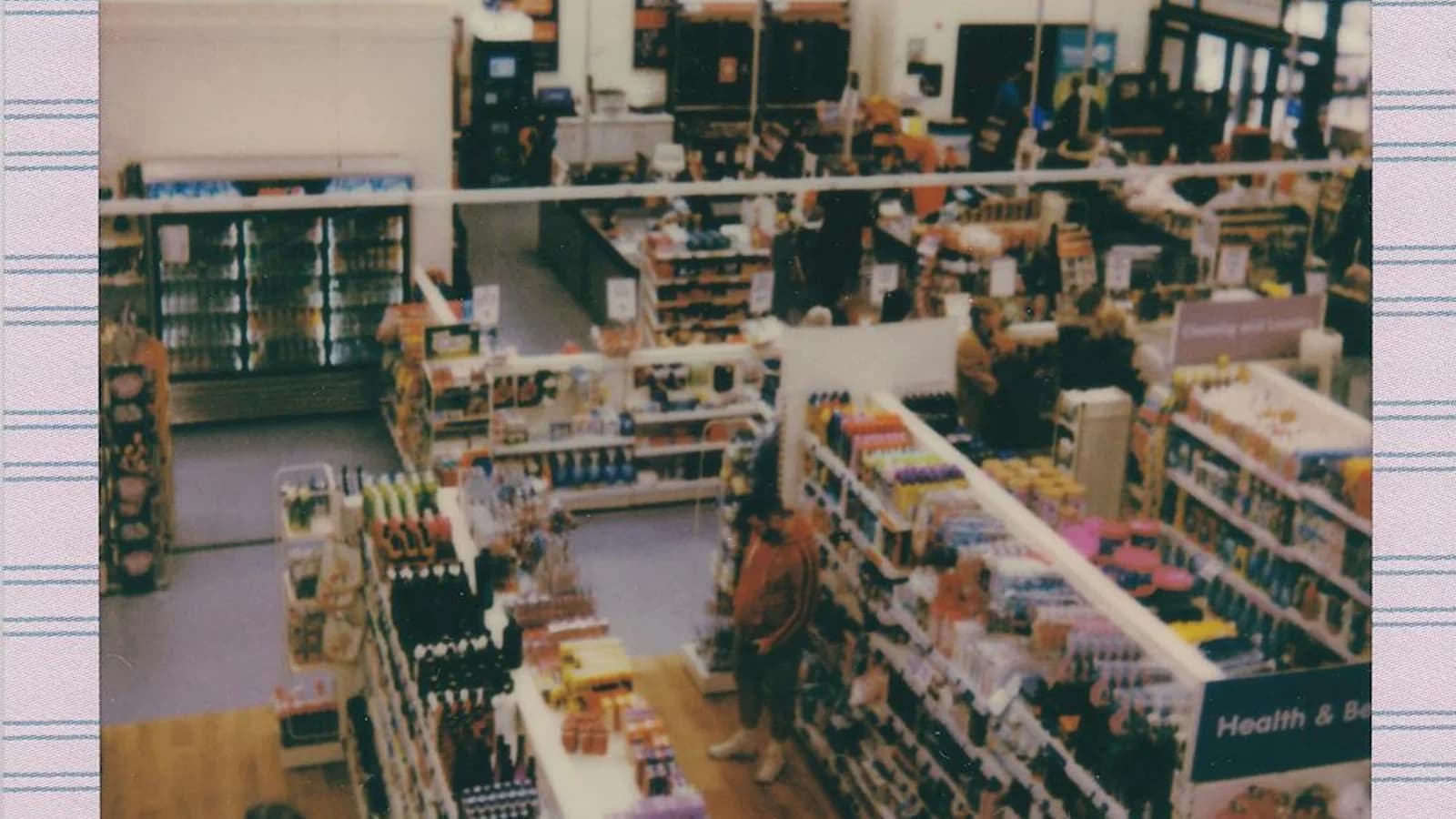
Many retail environments still concentrate service at the perimeter: fitting rooms, checkouts, and formal service desks. But a large amount of commercial uncertainty happens in the middle of the floor, where customers are comparing, hesitating, and trying to move from interest to decision. When assistance appears only at the end of the journey, retailers lose opportunities that could have been saved earlier through better service placement.
Why the middle of the floor matters commercially
Mid-floor behavior often contains the highest concentration of unresolved intent. Customers have already entered, filtered options, and moved beyond casual browsing. Yet they may still need confirmation on fit, usage, compatibility, or value. Without support at this stage, many journeys soften before they ever reach a formal service point.
This is why mid-floor conversion deserves direct attention. It is the zone where the store can still influence the decision before momentum weakens.
- High-intent hesitation often forms before checkout or fitting-room demand becomes visible.
- Assistance delivered too late turns support into recovery rather than conversion.
- Mid-floor service can stabilize journeys that would otherwise drift into indecision.
What good service-island design actually does
A strong service island is not just a staffed fixture. It is a decision support point positioned where uncertainty naturally forms. It should be visible enough to invite low-friction interaction without disrupting circulation or dominating the floor. Its role is to shorten the distance between hesitation and resolution.
When designed well, it can improve conversion quality, reduce unnecessary repeat loops, and strengthen the performance of surrounding categories that rely on confident decision progression.
How retailers should evaluate mid-floor assistance
Retailers should examine whether the service point changes path behavior, shortens hesitation, and increases continuation into purchase-supporting zones. They should also compare whether different product categories benefit equally or whether some require more specialized forms of mid-floor support.
This turns service placement into a measurable commercial lever. It helps the store determine where assistance belongs in the journey, not only where tradition has placed it historically.