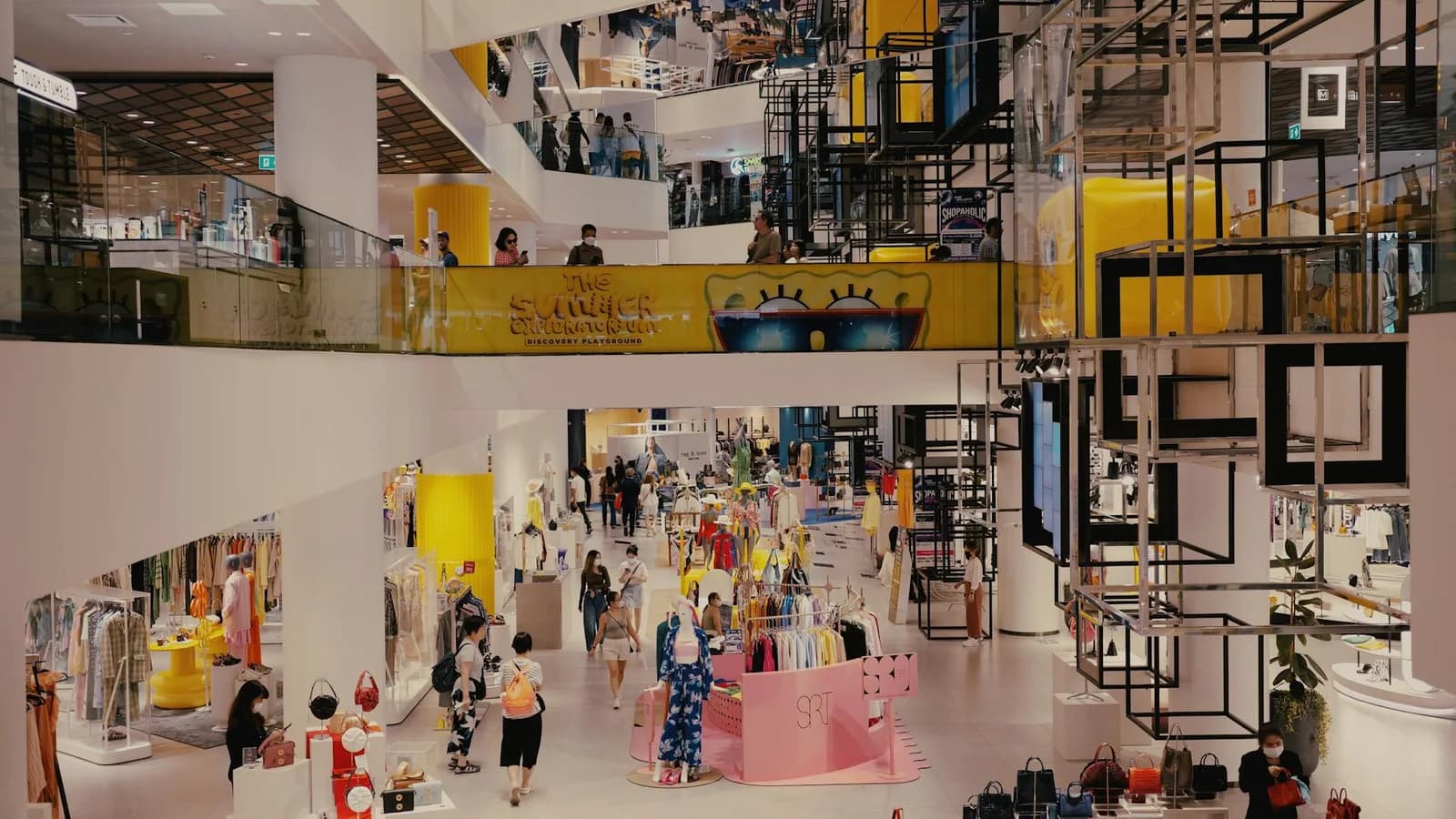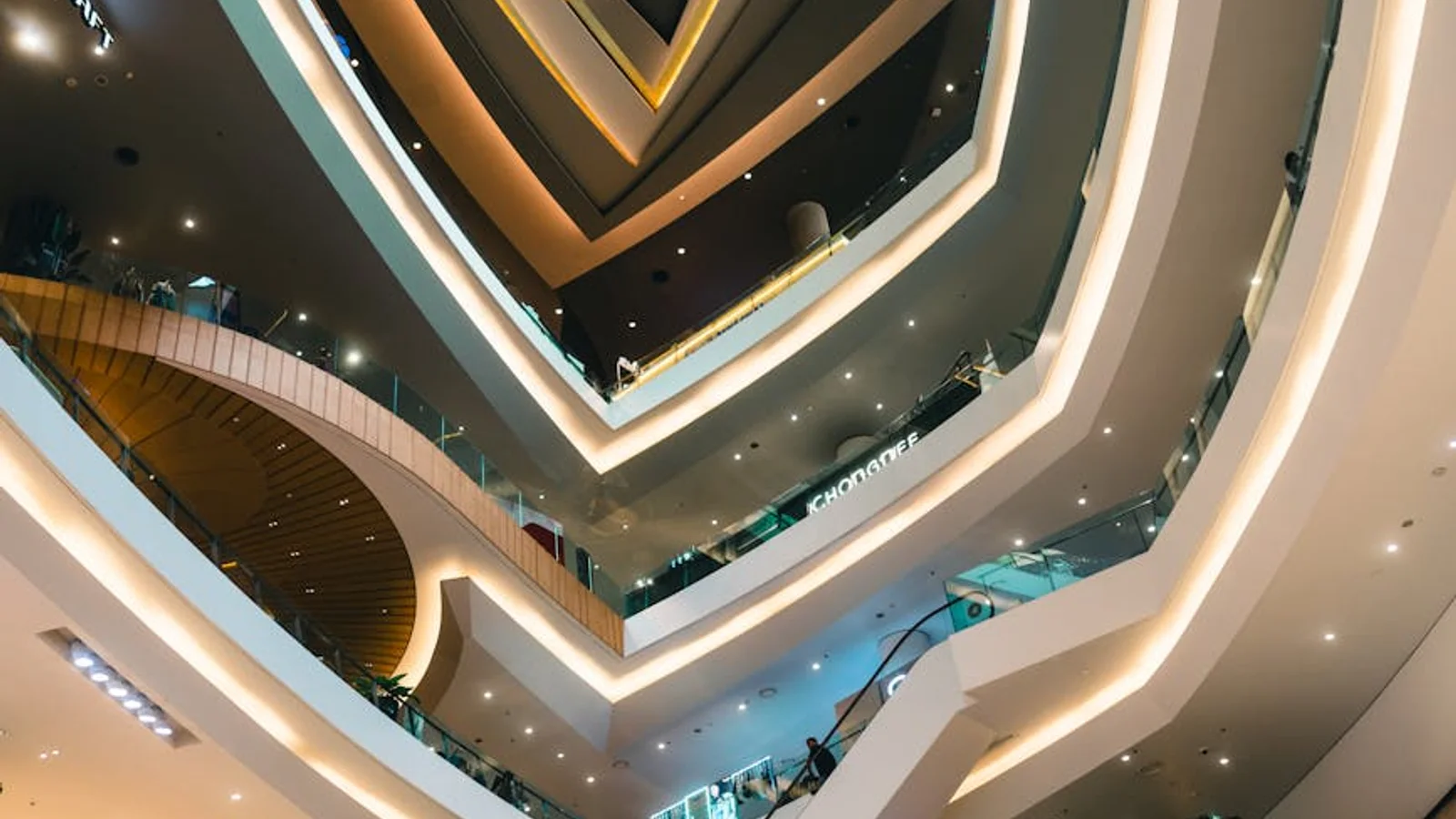
In multi-level malls, the economic problem is not just attracting visitors into the building. It is persuading them to continue upward, downward, and laterally in ways that distribute demand across the asset. That makes vertical circulation one of the most important commercial design systems in the center. If it underperforms, entire floors can become structurally disadvantaged even when overall footfall looks healthy.
Why floor counts can hide structural weakness
A mall may report acceptable traffic on upper or lower levels while still suffering from weak continuation quality. Visitors may reach the floor briefly without entering surrounding tenancy, or they may concentrate only around the escalator landing and then retreat. This creates a false sense of balance in level-by-level reporting.
The stronger question is whether the floor receives transferable demand that behaves commercially. That means looking beyond arrival volume to continuation depth, time spent beyond the landing zone, and the ability of adjacent tenancy to convert movement into engagement.
Escalators are decision points, not just transport assets
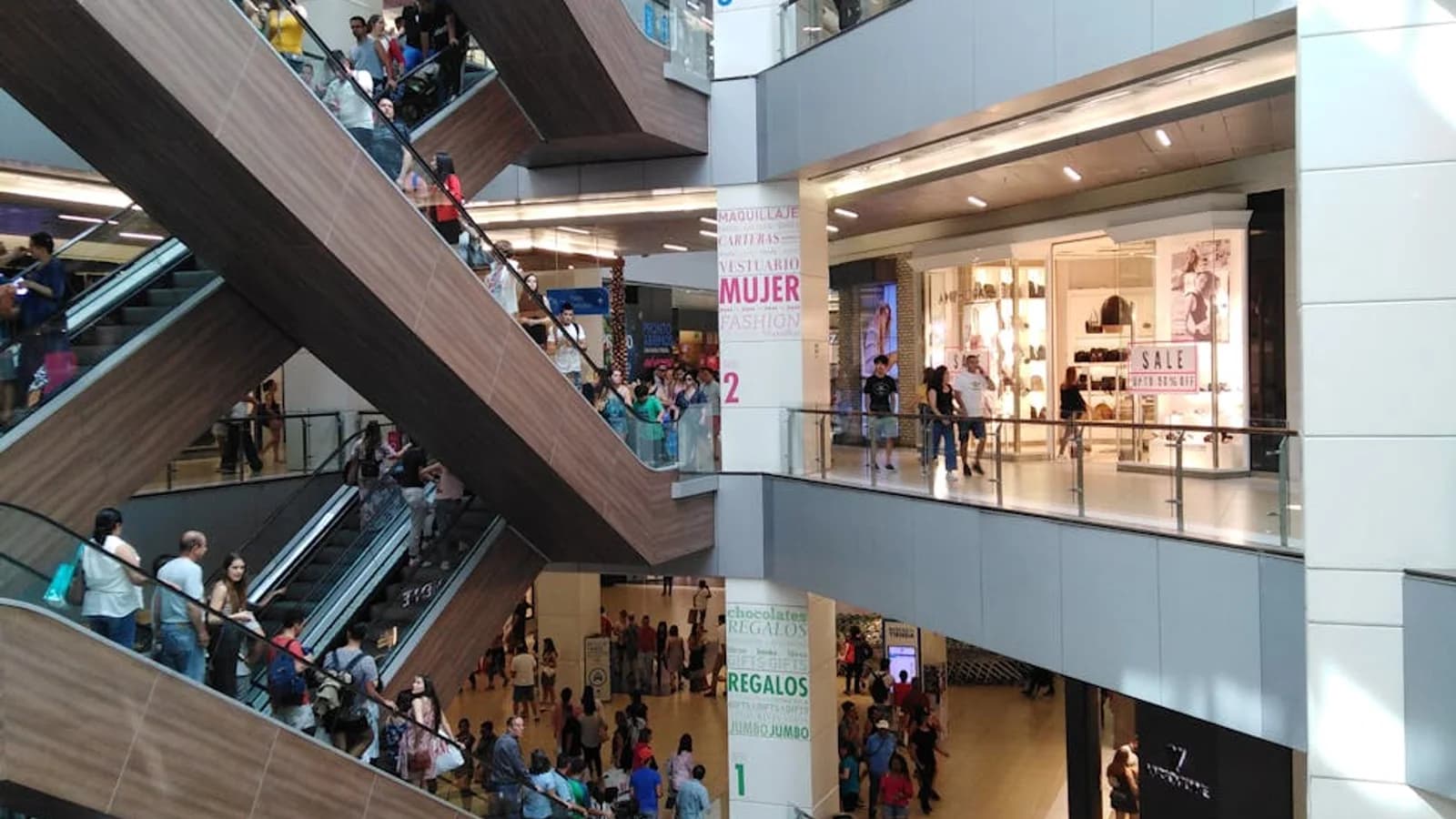
Escalators, lifts, and atrium edges shape visitor choice. Their orientation, visibility, and adjacency influence whether people continue naturally or hesitate. A vertical connection can either behave like a confident invitation or like a functional barrier. Small design differences often create large commercial consequences over time.
Mall operators therefore need to see how visitors behave immediately before and after the transition. If the landing zone performs as a cul-de-sac, the issue is not solved by celebrating floor access. It may require leasing, wayfinding, activation, or layout intervention around the connector itself.
How vertical circulation intelligence improves asset performance
When the mall can observe continuation quality, it can make better decisions about tenant placement, activation programming, and circulation reinforcement. It can distinguish between floors that are commercially healthy and floors that are merely touched by traffic. It can also evaluate whether investments near escalator zones are improving real cross-level demand transfer.
This is where vertical circulation becomes an asset-management issue, not just an architectural one. The goal is not movement for its own sake, but commercially useful movement distributed across the center.