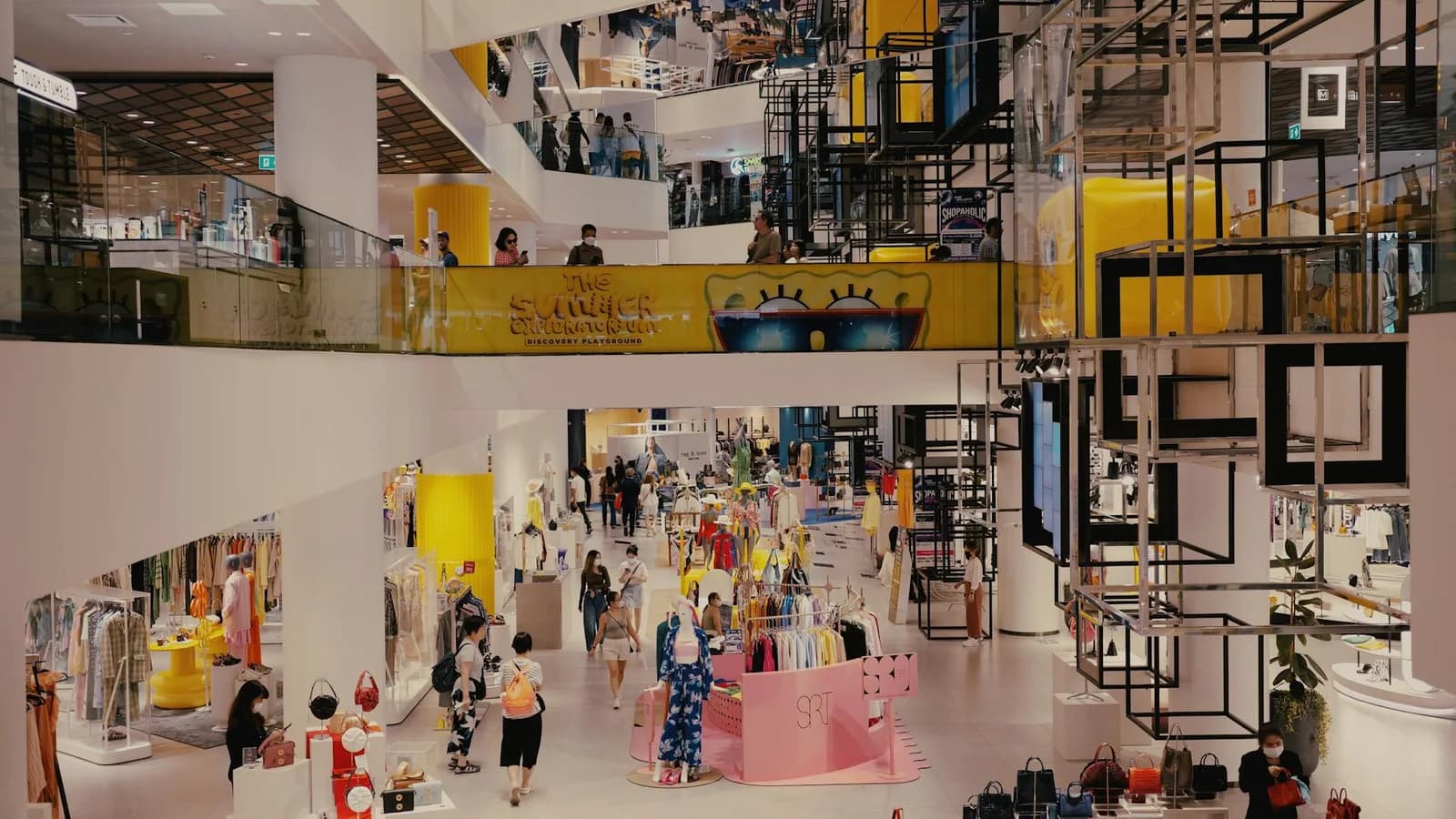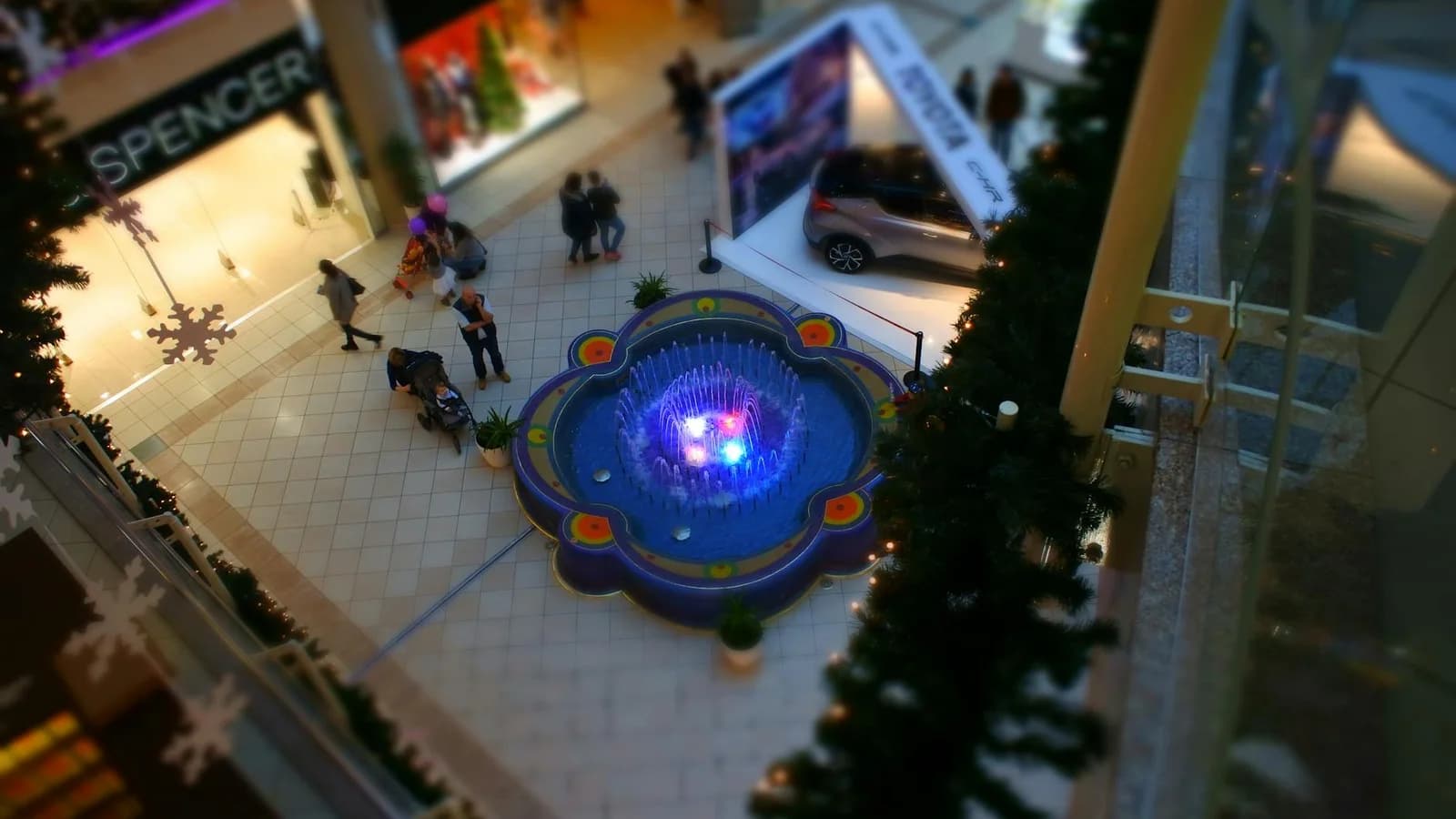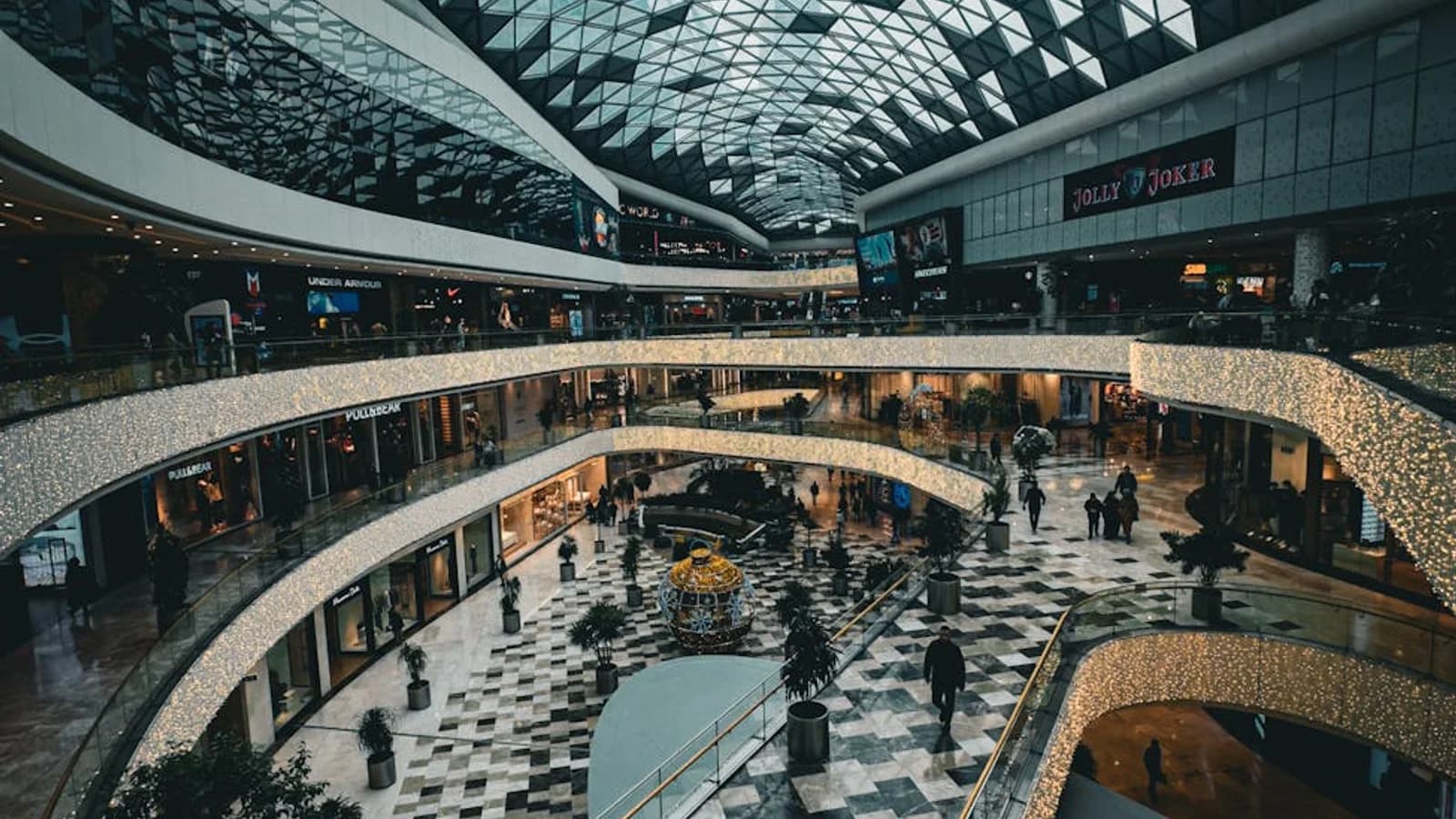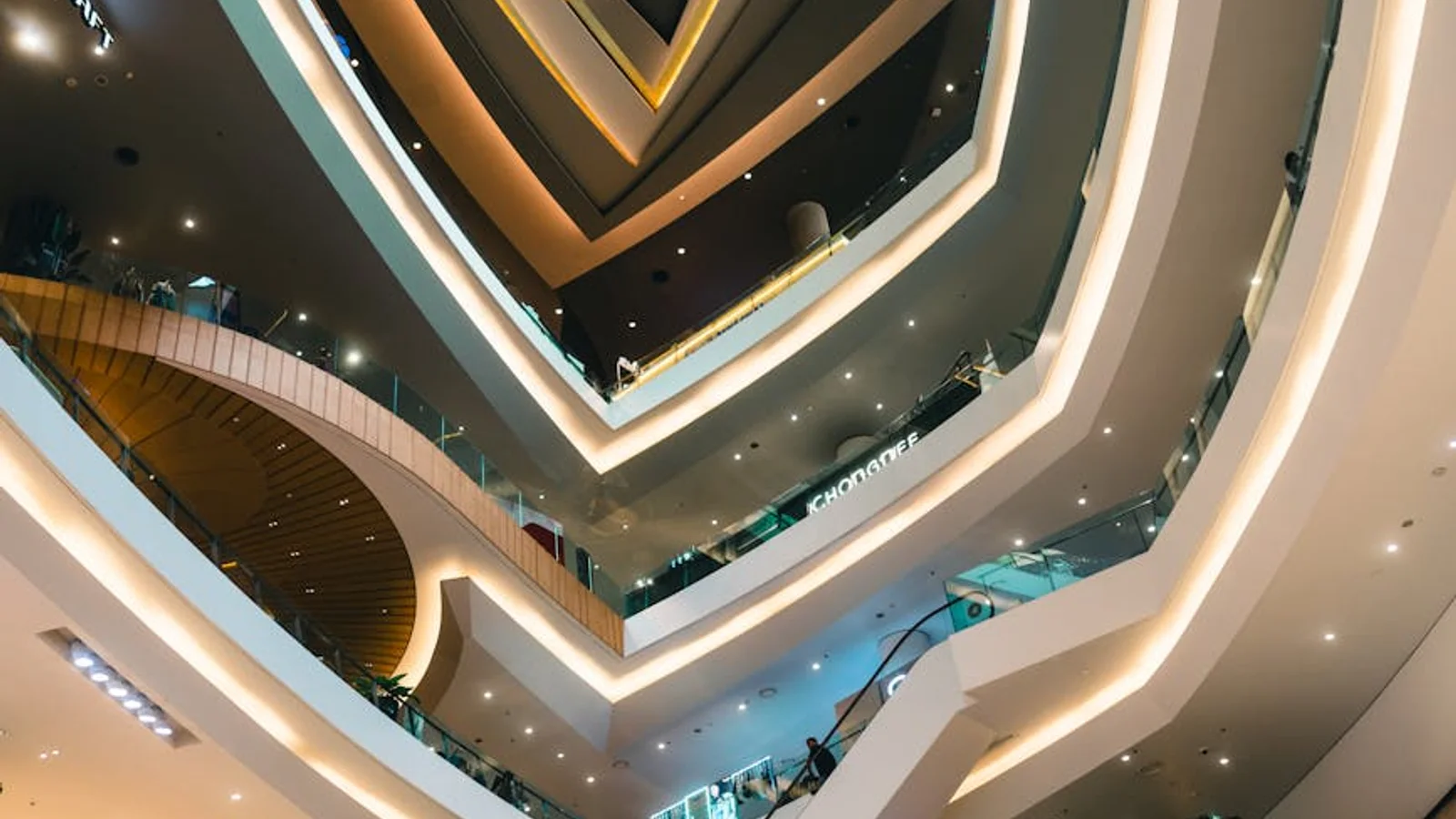
In multi-floor malls, people do not move vertically on logic alone. They move when upper and lower levels feel visible enough, interesting enough, and commercially worth the effort. Visibility ladders are the visual cues that help this happen. They allow visitors to perceive opportunity beyond their current level and to believe that continuing vertically will be rewarded.
Why vertical movement depends on more than access
Escalators and lifts provide mechanical access, but they do not guarantee behavioral willingness. A visitor needs reasons to move between levels, and those reasons often begin as partial visual promises: a glimpse of activity, a readable destination, or evidence that another floor contains meaningful continuation.
Without these cues, upper and lower levels can feel abstract even when they are physically easy to reach.
- Access infrastructure does not automatically create vertical intent.
- People move between floors when they can imagine the reward ahead.
- Visibility helps transform vertical distance into believable opportunity.
What weak visibility does to mall performance
When visibility between levels is poor, the mall often becomes flatter in behavior than in architecture. Visitors circulate horizontally on the level they already occupy and delay or avoid vertical continuation unless a very strong anchor forces the move. This weakens cross-level distribution and increases dependence on isolated destinations.
For the mall, that means some floors become harder to commercialize despite being physically well connected.
Designing and managing visibility ladders
Mall teams should study where visitors can see, interpret, and anticipate opportunity between floors. This may involve retail frontage, event placement, signage hierarchy, open sightlines, or activation near connectors. The goal is to create a believable sequence of visual incentives that supports the next level before the visitor arrives there.
Done properly, visibility ladders improve vertical continuation and help every floor feel more commercially included in the mall’s overall journey.