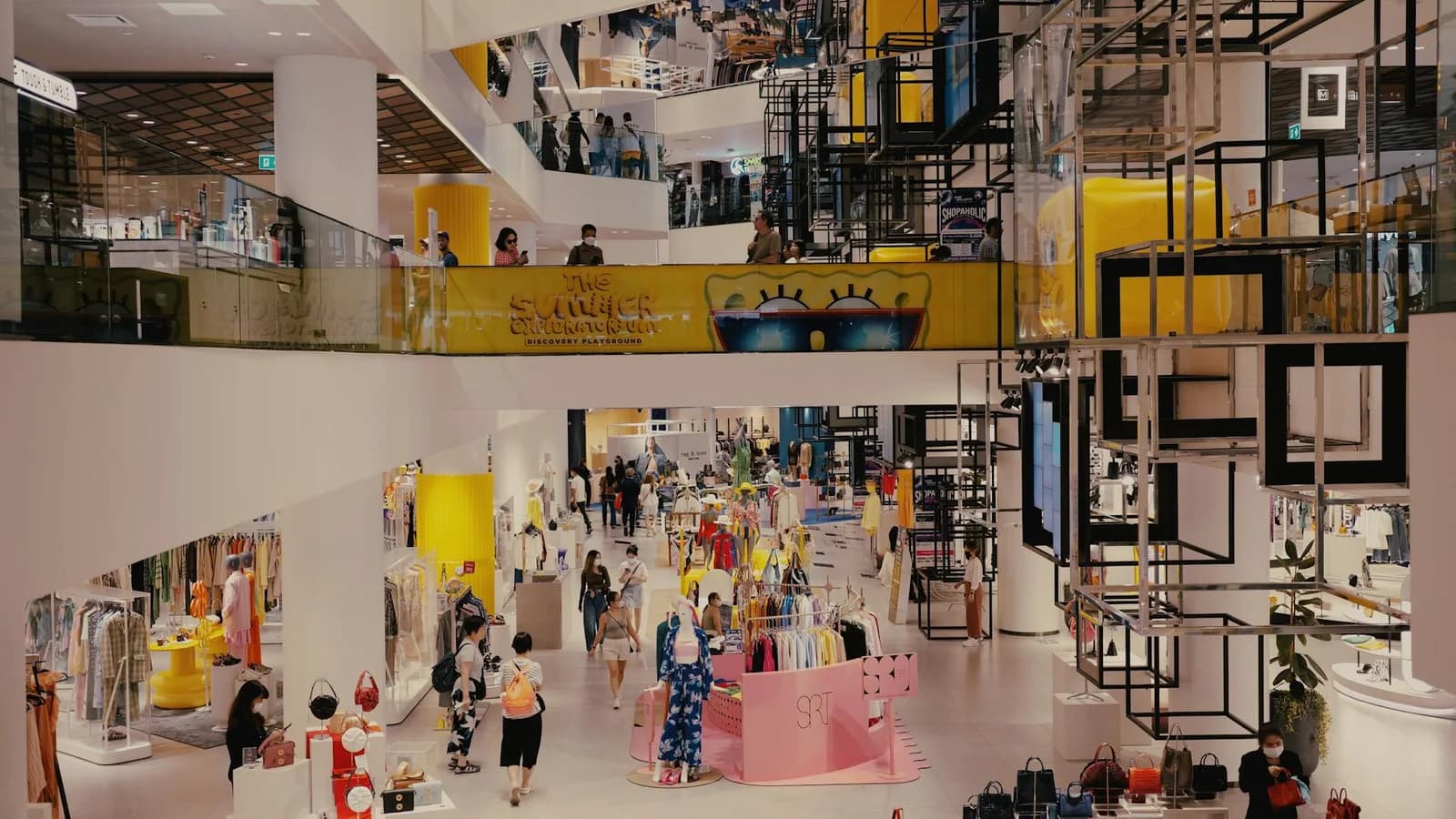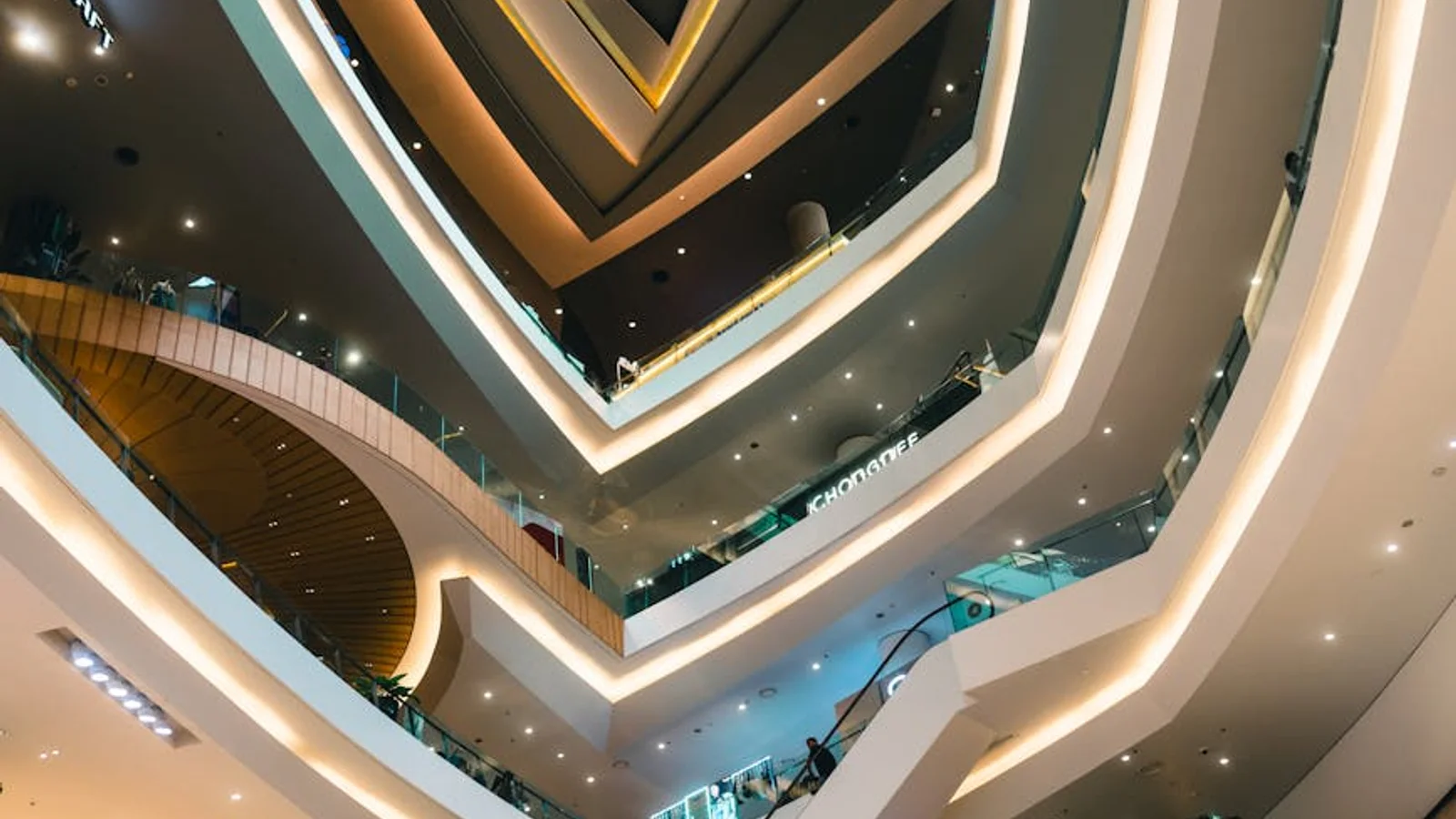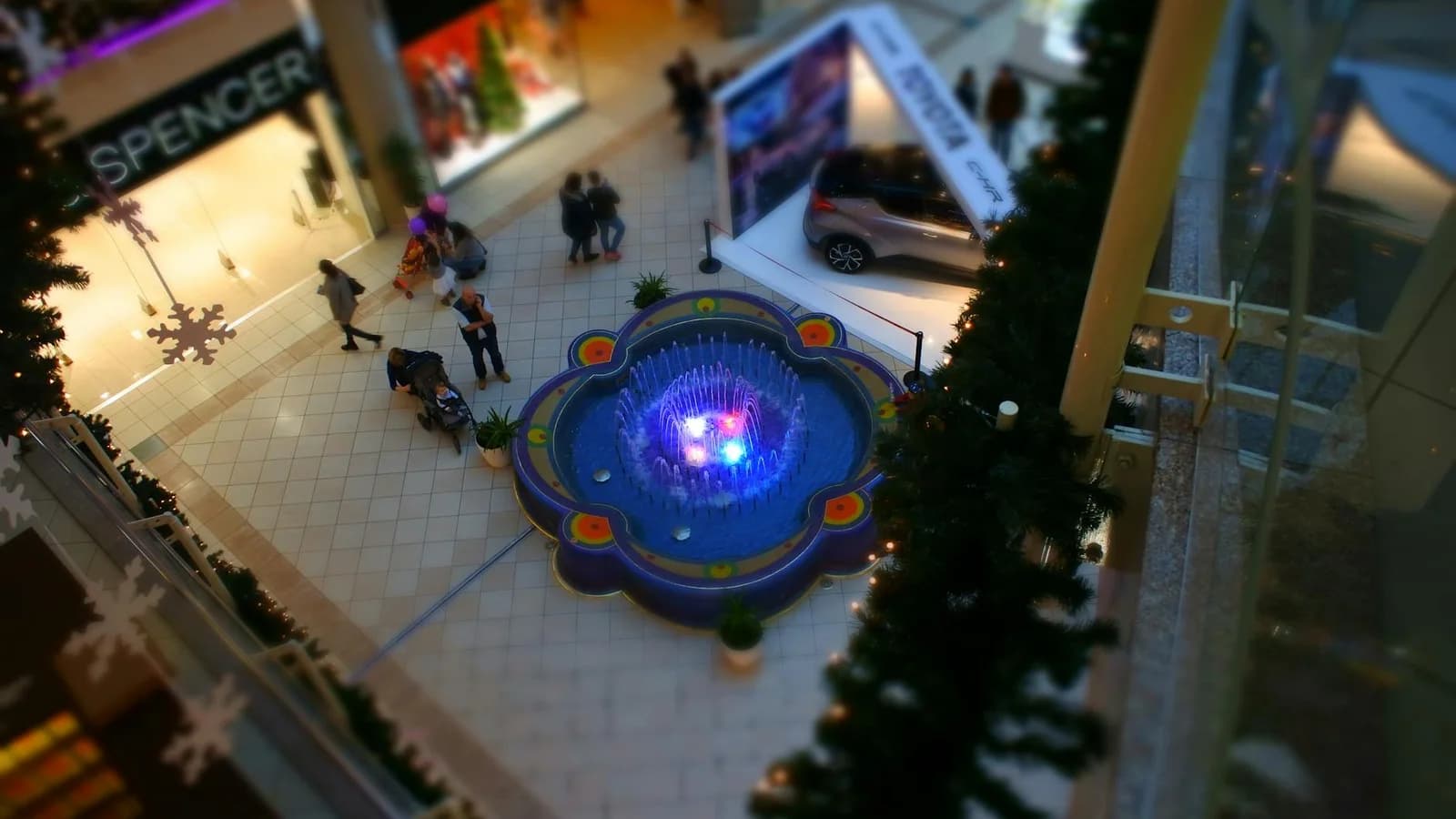
Large malls often depend too heavily on major anchors to pull traffic across significant distances. But long stretches between anchors can dilute confidence, weaken commercial energy, and leave secondary tenancy underexposed. Micro-destinations offer a different model. By inserting smaller but meaningful reasons to continue, the mall can turn long journeys into staged progressions instead of demanding a single uninterrupted commitment from the visitor.
Why anchor-to-anchor distance can become commercially expensive
Even when both anchors are strong, the space between them may not be. If the route lacks intermediate reward, visitors can begin to disengage before they ever reach the far side. This reduces corridor productivity and concentrates value only near the endpoints.
That is why mall performance should be judged not only by the strength of anchors themselves, but by the quality of the journey that connects them.
- Long unbroken routes increase fatigue and lower continuation confidence.
- Secondary tenancy suffers when the path offers too little staged reward.
- Micro-destinations can shorten the perceived distance of the journey.
What makes a micro-destination commercially useful
A micro-destination does not need to be large to be valuable. It needs to be behaviorally meaningful. That may come from food, convenience, seating, interaction, discovery, or event programming. The key is that it gives the visitor a legitimate reason to keep moving and a sense that the path continues to repay effort.
When placed well, these smaller nodes create journey rhythm. They help the mall feel layered rather than stretched.
How malls should plan with micro-destinations
Operators should identify where continuation weakens between major draws and test which forms of smaller destination can restore confidence without competing destructively with existing tenants. This is as much a circulation strategy as a leasing one.
Done properly, micro-destinations make the whole center more finishable, more commercially distributed, and less dependent on anchor concentration alone.