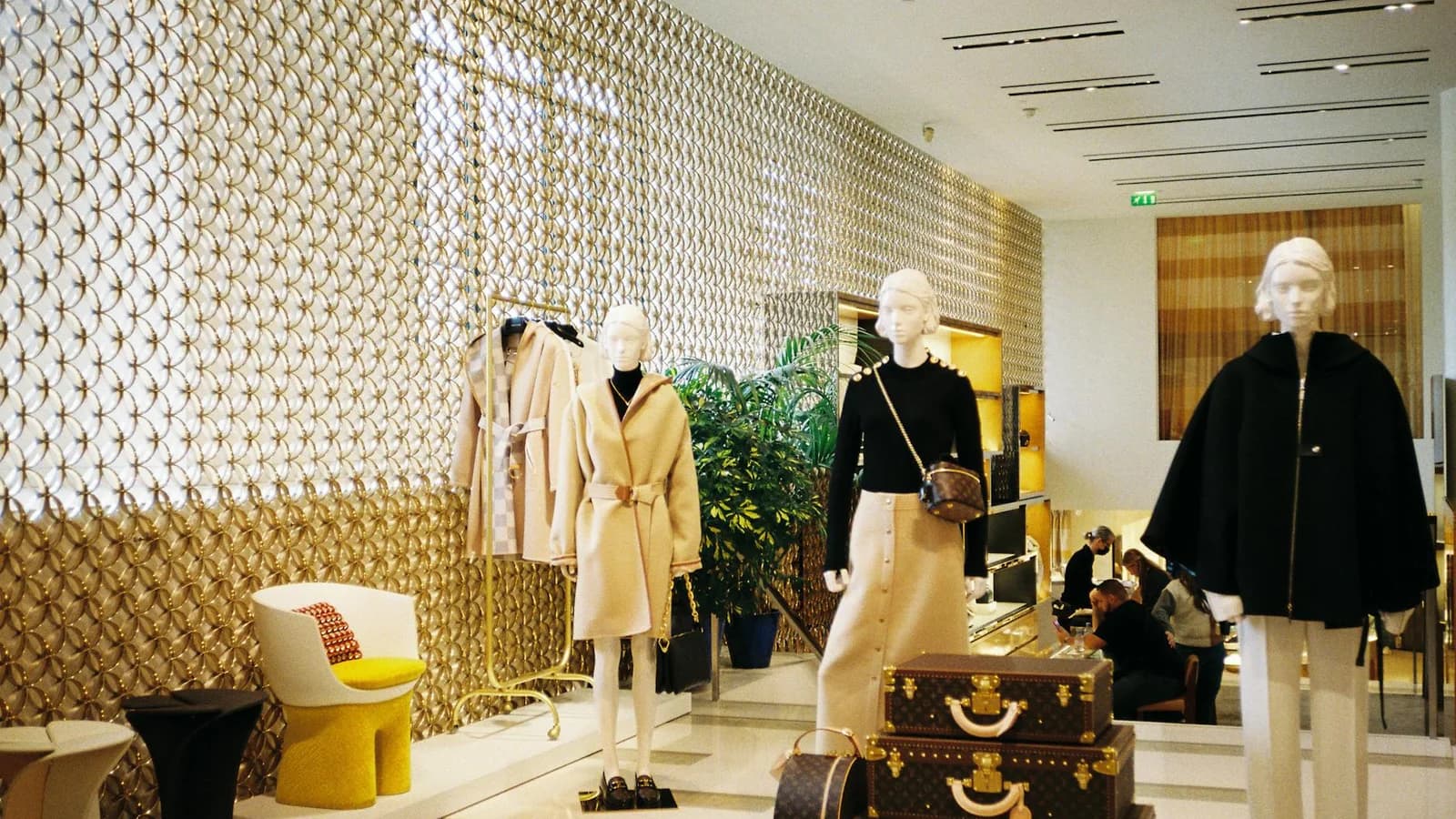
A hero zone can be commercially strong and still become behaviorally invisible over time. Repeat shoppers learn the store faster than merchandising teams often realize. Once a zone becomes over-familiar, it may continue to occupy prime real estate without generating the same level of pause, curiosity, or route redirection it once did. That decay is not always visible in top-line reporting, but it quietly reduces the store’s ability to create new demand from existing traffic.
Why visual prominence fades faster for repeat visitors
First-time visitors notice novelty. Repeat visitors notice efficiency. This means that a zone designed to interrupt and inspire can become something experienced shoppers learn to bypass once they feel they have already decoded its message. The display may still look strong to head office, but its ability to create fresh attention can weaken materially.
This is especially important in high-frequency retail, where a meaningful share of demand comes from shoppers who already know the space. In those environments, visual power must be renewed, not assumed.
- Repeat traffic can mask declining attention quality in prime zones.
- A stable-looking display can still lose pause power over time.
- Refresh cadence should be tied to behavior, not only campaign calendars.
What fatigue looks like in movement behavior
Hero-zone fatigue usually appears as shallower pause depth, weaker route redirection, faster pass-through, or lower continuation into adjacent categories that depend on the zone’s draw. It can also show up as stronger attention from first-time or infrequent visitors than from the loyal base that the store most wants to reactivate.
These patterns matter because they reveal whether the prime real estate is still earning its position. If the zone no longer changes behavior, it may be consuming value rather than creating it.
How retailers should manage hero-zone renewal
The strongest retailers treat hero zones as dynamic demand assets. They monitor whether the zone is still intercepting repeat traffic, whether adjacent areas still benefit, and whether the display’s role should shift from broad inspiration to more specific conversion support. This allows refresh decisions to be guided by real behavior rather than design preference alone.
Done well, this creates a stronger cycle of in-store novelty. The store stays legible for regular customers without becoming predictable, and prime space continues to justify its commercial importance.