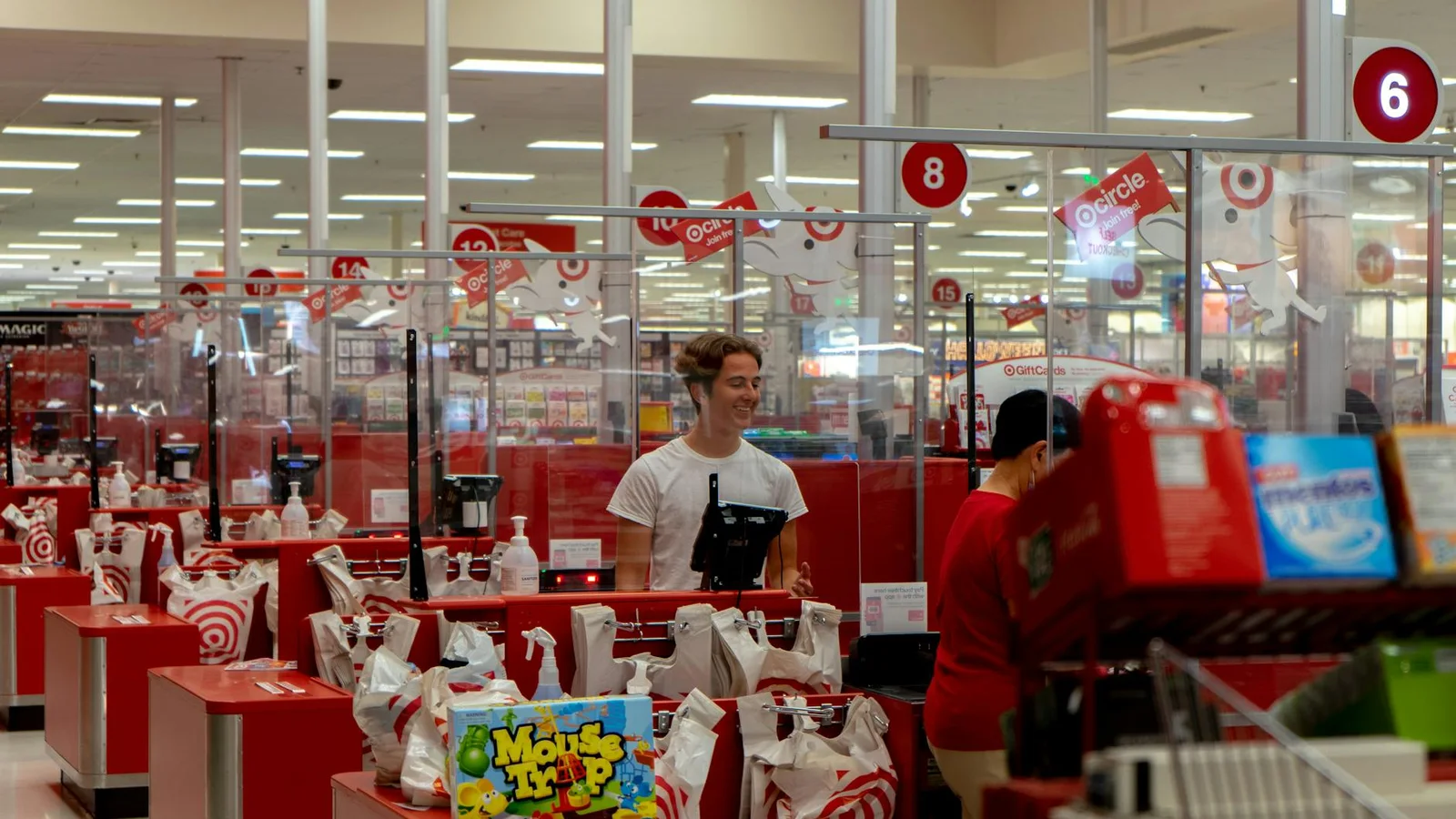
Some of the most revealing queue behavior happens when customers temporarily leave the line, hover nearby, and then decide whether to rejoin. This pattern signals that the service environment has become psychologically unstable. The queue is no longer simply a line to wait in; it has become a place the customer is no longer sure they should trust.
Why rejoin behavior matters
A customer who leaves and re-enters a queue is not only managing time. They are renegotiating confidence. They are asking whether the service is worth the wait, whether the line is moving fairly, and whether a different choice might be smarter.
That makes rejoin behavior an important signal of weakening trust that standard operational queue metrics often fail to capture.
- Rejoin behavior shows emotional instability inside the service environment.
- The queue can be functioning operationally while failing behaviorally.
- Temporary exit decisions often precede abandonment or complaint.
What causes this pattern
Customers tend to step out and reconsider when service progression feels ambiguous, when fairness is unclear, or when the value of staying begins to feel questionable. Even if the line still moves, the environment may have lost its credibility in the customer’s mind.
That credibility gap matters because it widens faster than many teams realize during periods of moderate, not only severe, pressure.
How to manage the behavior
Operators can reduce rejoin behavior by improving progression visibility, clarifying expectations, and reducing ambiguity at the edges of the queue. The goal is to keep the line legible and believable so the customer does not feel the need to re-evaluate the choice repeatedly.
This improves more than patience. It protects the service environment from sliding into low-trust behavior even before throughput visibly fails.