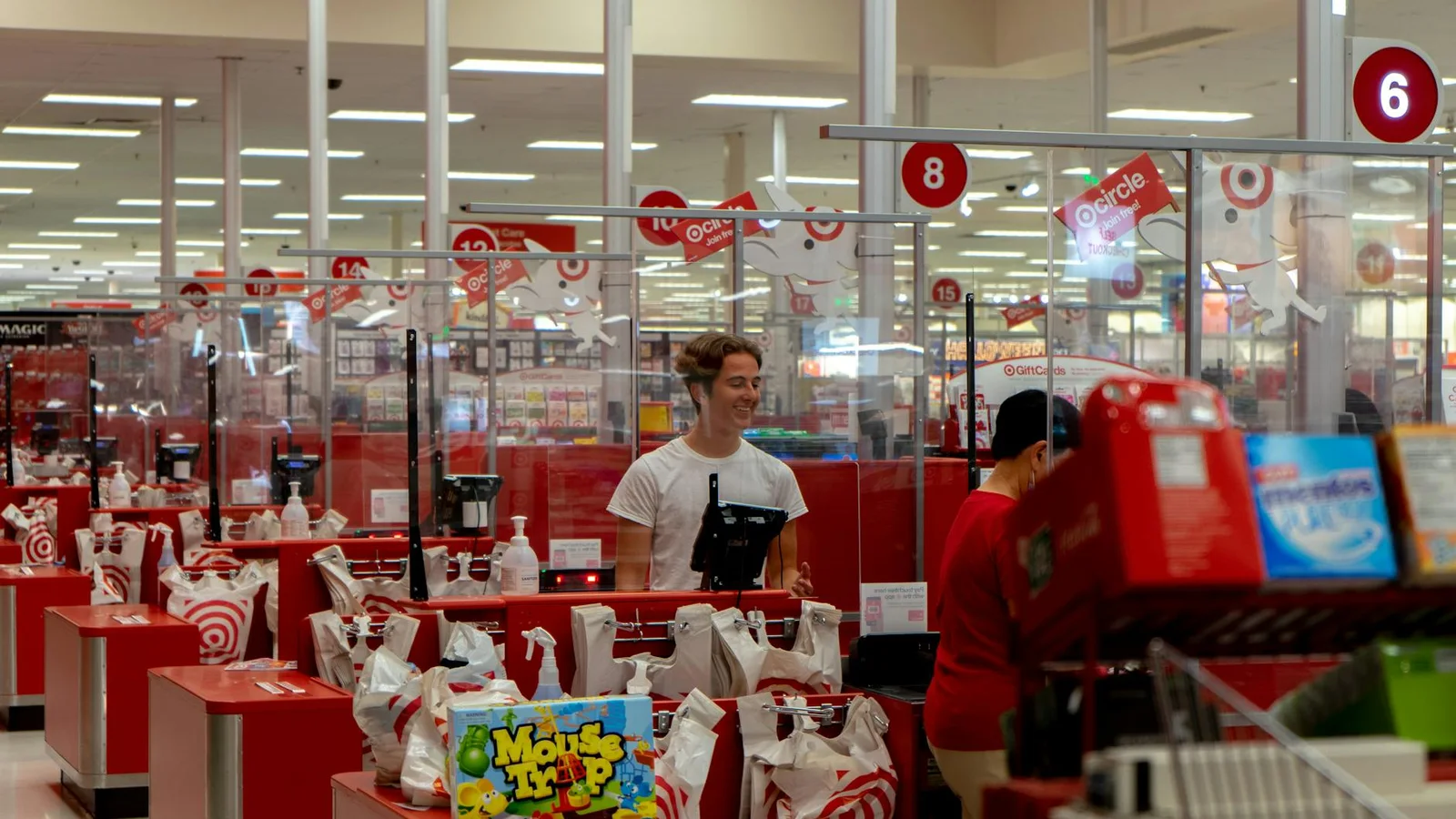
A queue does not stop at the boundary of the service it belongs to. Once it spills into a neighboring path, display area, or waiting space, it begins to affect people who were not part of the original service interaction at all. That makes spillover one of the most expensive queue behaviors in commercial environments, because it damages surrounding performance in ways the queue owner may never measure directly.
Why spillover is a system problem
When a queue extends into a circulation or commercial zone, it changes the logic of the surrounding environment. Customers reroute, pause differently, lose visibility, or abandon a nearby opportunity because the space no longer feels easy to use. In that sense, spillover converts a local service issue into an ecosystem problem.
This matters especially in high-value environments where adjacent zones depend on clean path access and visible product or tenant exposure.
- Queue spillover can depress commercial performance beyond the service area.
- The visible line is only part of the cost; the blocked environment is the rest.
- Adjacent confidence often weakens before the queue becomes visibly severe.
How to recognize hidden spillover damage
Hidden damage appears in reduced path penetration, weaker pause behavior near the affected zone, and a drop in natural continuation through spaces that were previously productive. These changes may look like local demand weakness, when in fact the real issue is that the environment has been made harder to use by a queue nearby.
Without movement intelligence, many operators misdiagnose these patterns and intervene in the wrong place.
Using the insight to protect wider performance
The right response is not only to shorten the queue, but to protect the wider environment from its externalities. That may involve redesigning entry logic, shifting the queue footprint, adjusting service timing, or reinforcing alternate circulation. The goal is to restore clarity to the surrounding commercial system.
When spillover is managed this way, the business protects both service performance and the revenue quality of adjacent space.