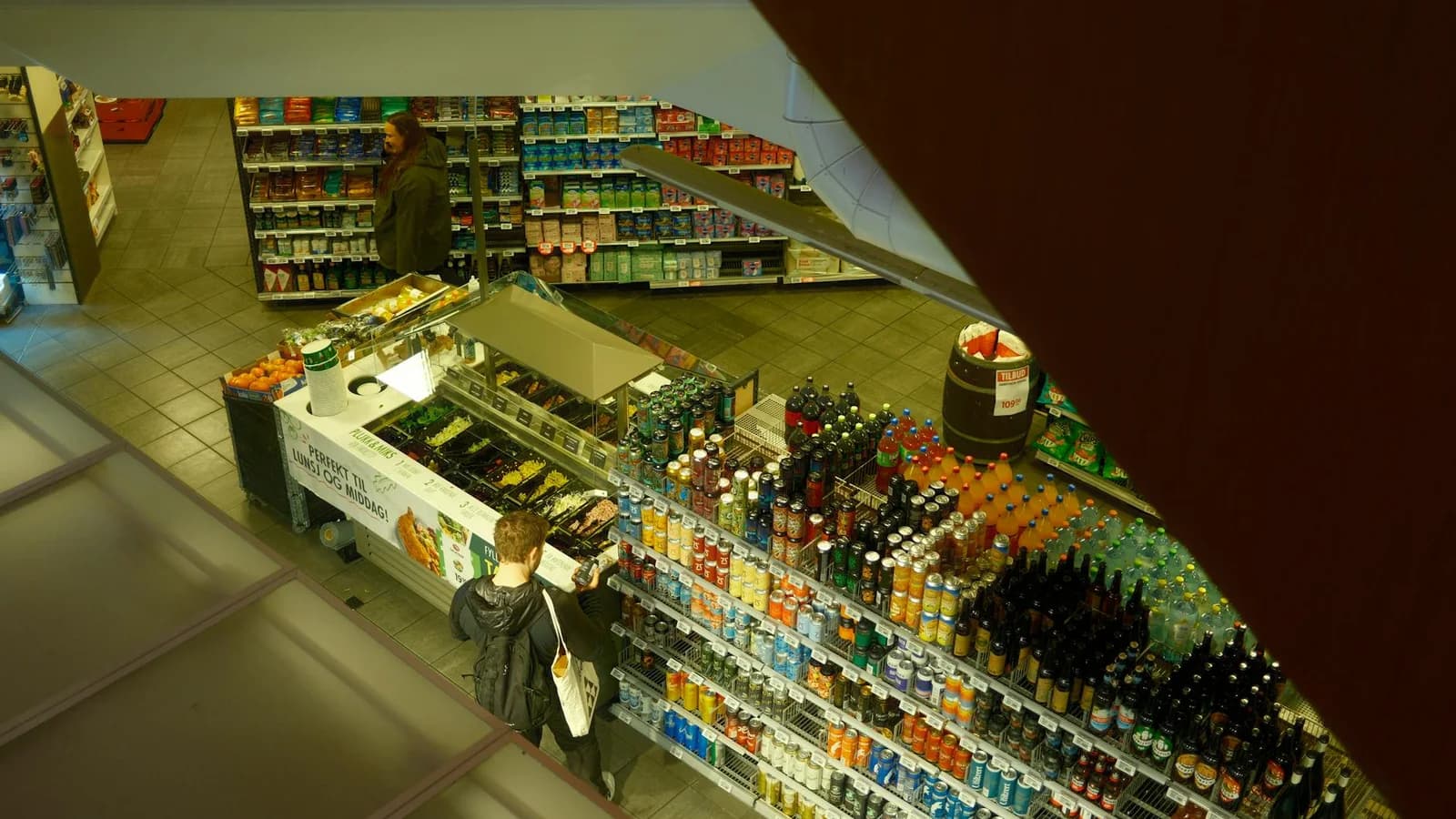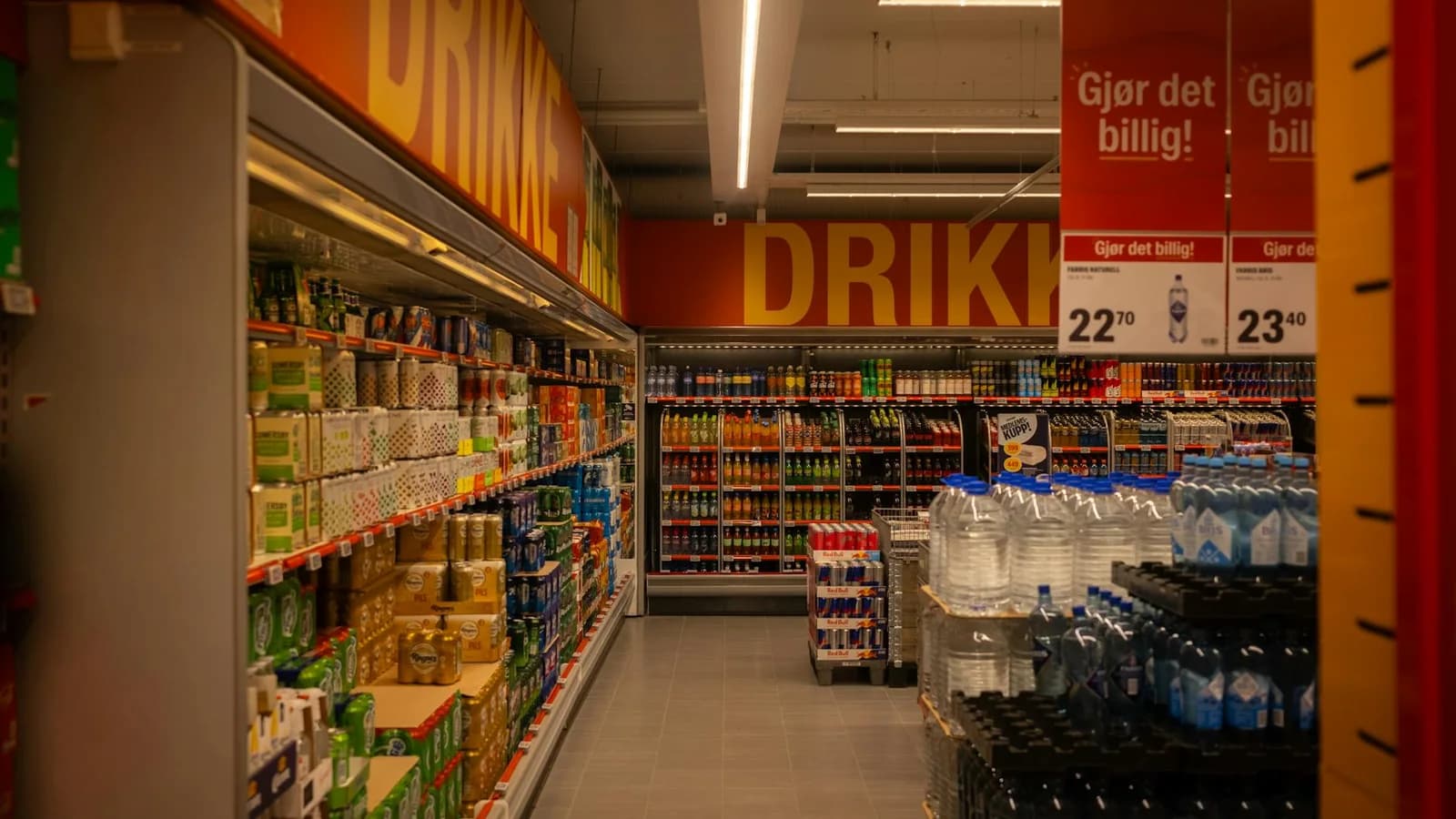
Heatmaps can show where people spend time, but they do not explain why a middle zone either absorbs demand or gets bypassed. Mid-floor visibility is often the missing factor. If the center of the floor feels hard to read, shoppers hesitate, skirt, or accelerate past it. That means redistribution strategies fail not because the analytics are wrong, but because the underlying visibility condition remains weak.
Why middle-floor zones are fragile
Center-floor areas often sit between strong destinations rather than functioning as destinations themselves. When the environment gives weak visual cues, these zones become transitional and underproductive. Teams may then interpret the heatmap as a demand problem when the real issue is low navigational confidence.
This is why any serious redistribution program should start with a visibility audit, not just a traffic review.
- Middle zones fail when they are visible structurally but unclear commercially.
- Heatmaps show concentration, but visibility explains commitment.
- Redistribution works better when the space reads clearly before it is reprogrammed.
What visibility improves beyond dwell
Better visibility does more than increase pause time. It improves route confidence, makes product groupings easier to interpret, and reduces the need for visitors to over-correct. That turns the center of the floor into a usable commercial surface rather than a navigational dead area.
These gains matter because they improve the quality of movement, not just the quantity of presence.
Using heatmaps to support redistribution
Operators should examine where people slow, where they cut across, and where they reverse direction. Combined with visibility assessment, this allows teams to redesign the center of the floor with purpose rather than simply adding more fixtures or messaging.
The best outcome is a center zone that is easier to understand, easier to enter, and commercially relevant enough to support repeatable performance.