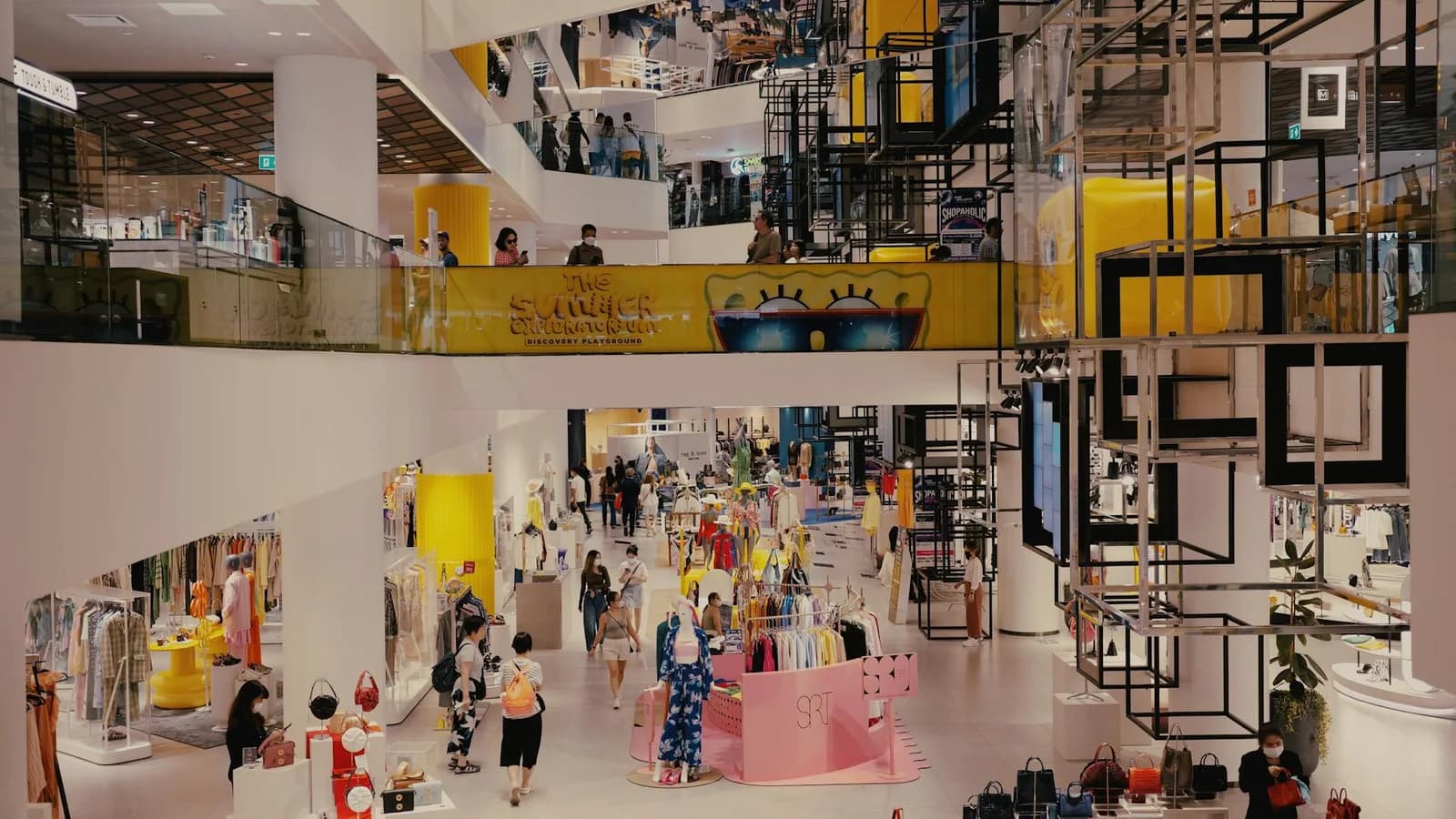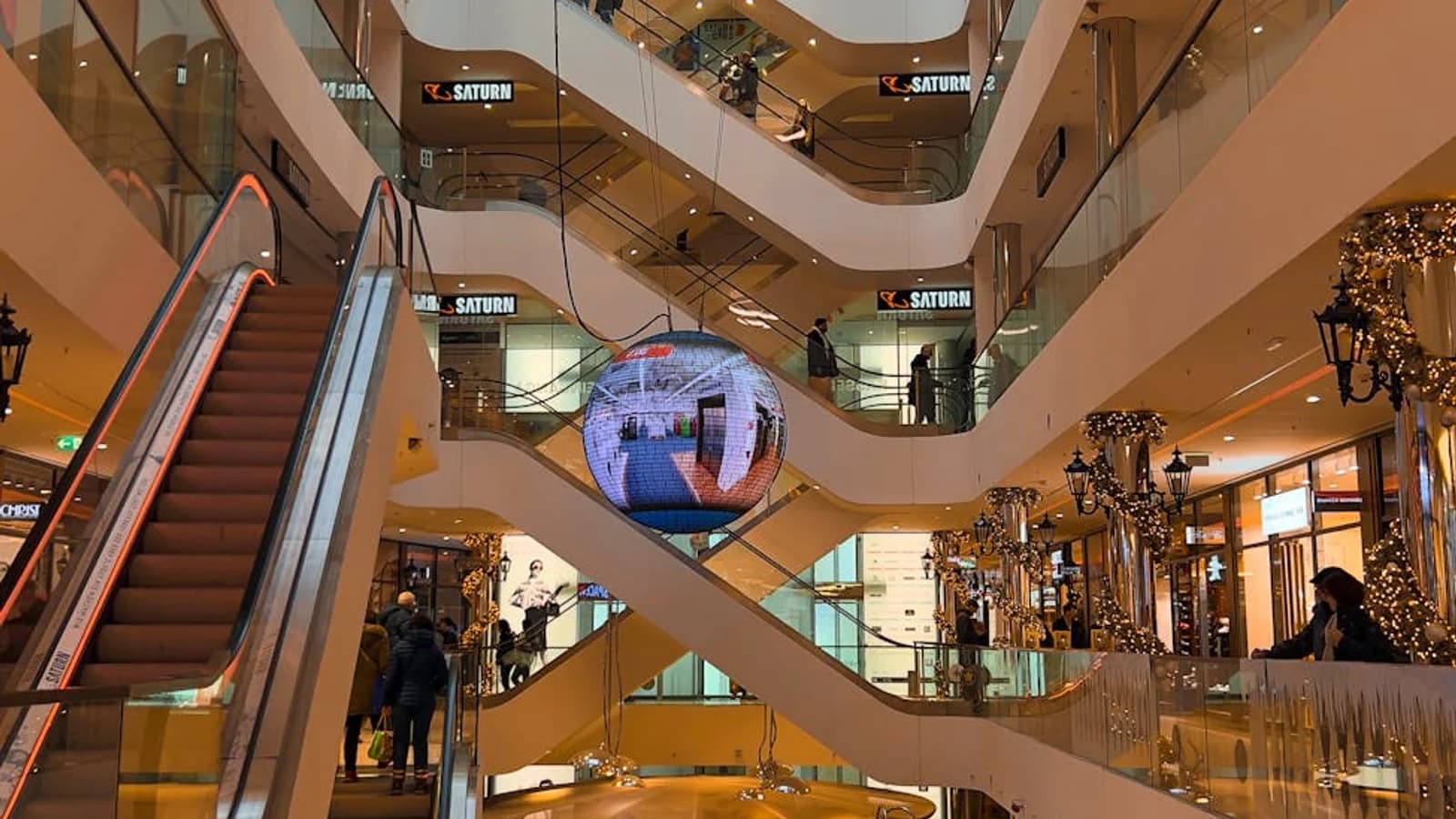
Entrances are often managed as architectural necessities and branded arrival moments. They are both of those things, but they are also powerful demand-shaping systems. The way a visitor enters a mall influences how quickly they orient, which corridor they claim first, and whether they begin their journey in commercially useful paths or in shallow edge behavior. That makes entrance calibration a core part of mall performance, not a cosmetic detail.
Why entrance success is not the same as traffic volume
A busy entrance may still be commercially weak if it produces poor continuation into the interior. Visitors may cluster near the edge, make a narrow beeline to one destination, or fail to distribute into adjacent wings. This creates the illusion of strong arrival performance while leaving interior leasing value under-supported.
The stronger question is whether the entrance produces usable spillover. That means understanding how arrivals orient, how quickly they commit to a path, and whether the initial movement pattern supports wider center performance.
What calibrated entrances actually do
A calibrated entrance helps visitors form direction quickly without collapsing them into a single shallow path. It uses visibility, adjacencies, and arrival logic to convert access into distributed commercial movement. In effect, it turns the first few seconds of the visit into a more valuable routing moment.
Small changes near the arrival edge can therefore have estate-level consequences. Better sightlines, stronger adjacencies, more deliberate activation, or improved orientation can increase spillover without requiring more traffic overall.
How operators should use entrance intelligence
Mall teams should compare entrances by spillover quality, not just arrival count. Which entrance supports the strongest interior continuation? Which one creates shallow behavior that benefits only the edge? Which campaigns improve arrival energy but fail to improve center-wide distribution? Those are the questions that help leasing and operations work from the same evidence base.
When entrance intelligence is used well, it strengthens corridor performance, improves the commercial role of secondary space, and supports more resilient leasing decisions across the center.