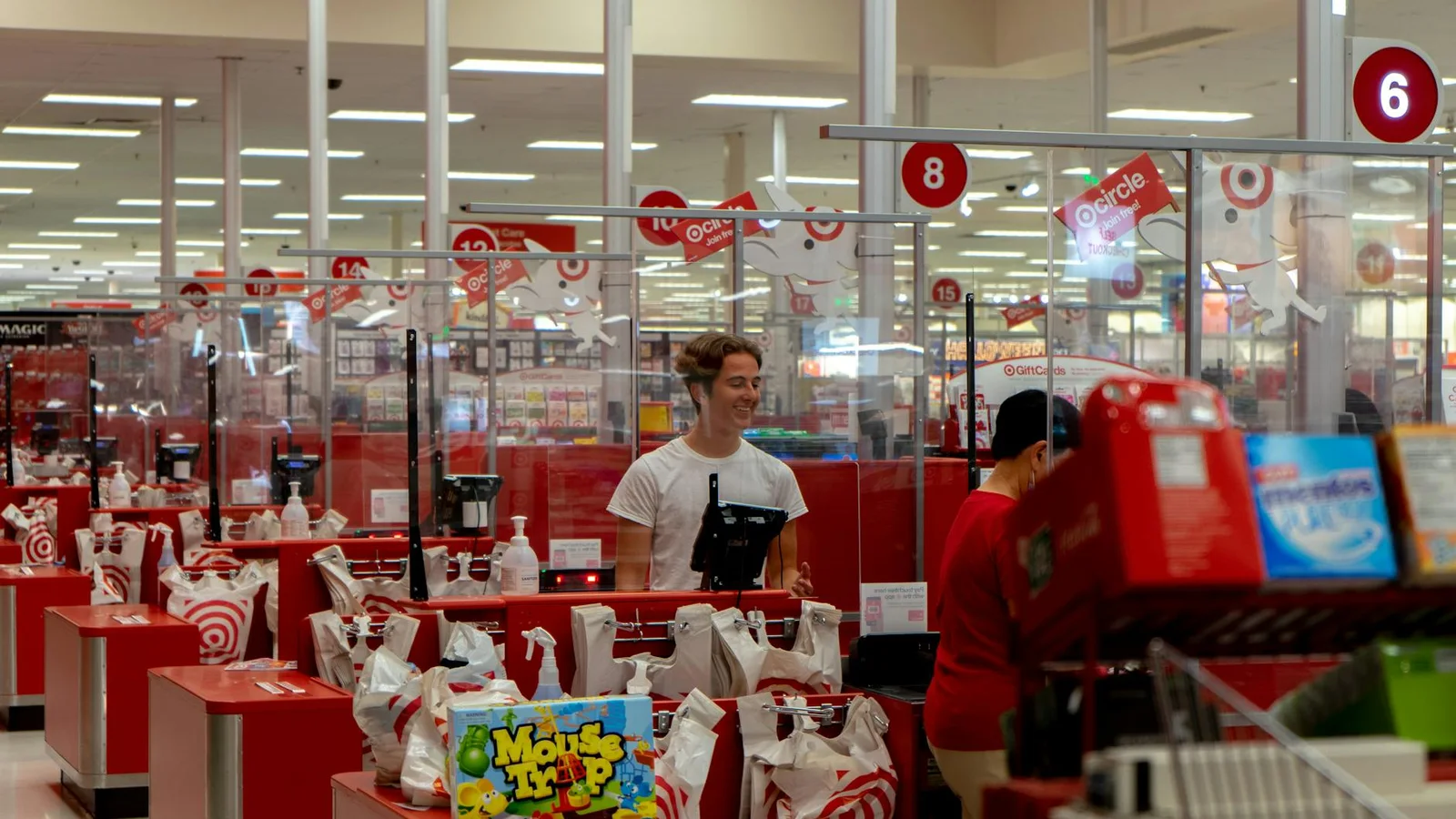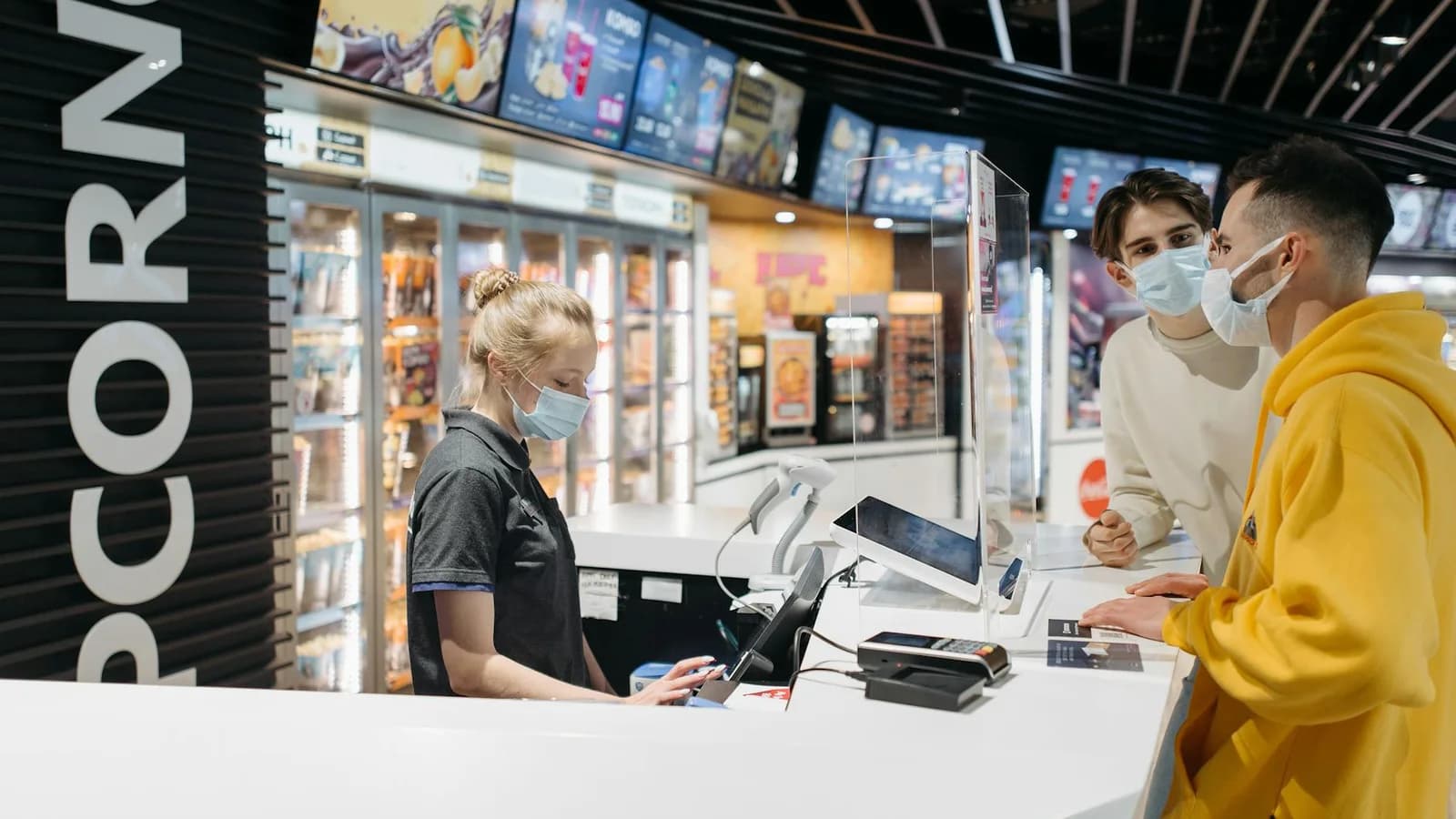
Customers do not experience queues only through elapsed time. They also experience them through fairness. If the queue looks disorderly, if overtaking appears possible, or if service availability feels inconsistent, patience can collapse faster than timing data alone would predict. For high-traffic environments, fairness perception is therefore a conversion issue, not merely a service-design detail.
Why acceptable waits can still feel unacceptable
A measured wait of three or four minutes may be commercially manageable, but if customers do not understand the order of service or feel that others are being served unfairly, the same wait can feel much longer. This is where many operators misread queue performance. They optimize average duration while ignoring the emotional conditions that determine whether people stay or abandon.
Queue intelligence becomes more valuable when it captures these qualitative breakdowns in structure and perception, not only the visible length of the line.
- Fairness perception shapes patience independently of actual duration.
- Queue disorder can damage confidence before abandonment is visibly measurable.
- Service design should reduce ambiguity as much as it reduces waiting time.
What fairness breakdown looks like operationally
Fairness breakdown often shows up as clustering near queue entries, repeated repositioning, staff intervention to restore order, or visible customer hesitation before joining the line. These signals matter because they reveal when the service environment is generating avoidable psychological friction.
In commercial environments, that friction has a cost. It weakens the customer’s willingness to complete the task and can distort their perception of the entire venue, not just the queue itself.
Protecting conversion through queue confidence
When operators improve fairness perception, they protect more than queue speed. They protect the credibility of the service interaction. This improves abandonment outcomes, stabilizes behavior under pressure, and reduces the need for costly recovery once dissatisfaction has already formed.
That is why fairness should be managed as a measurable operating condition. It is one of the clearest ways to keep busy environments commercially calm.