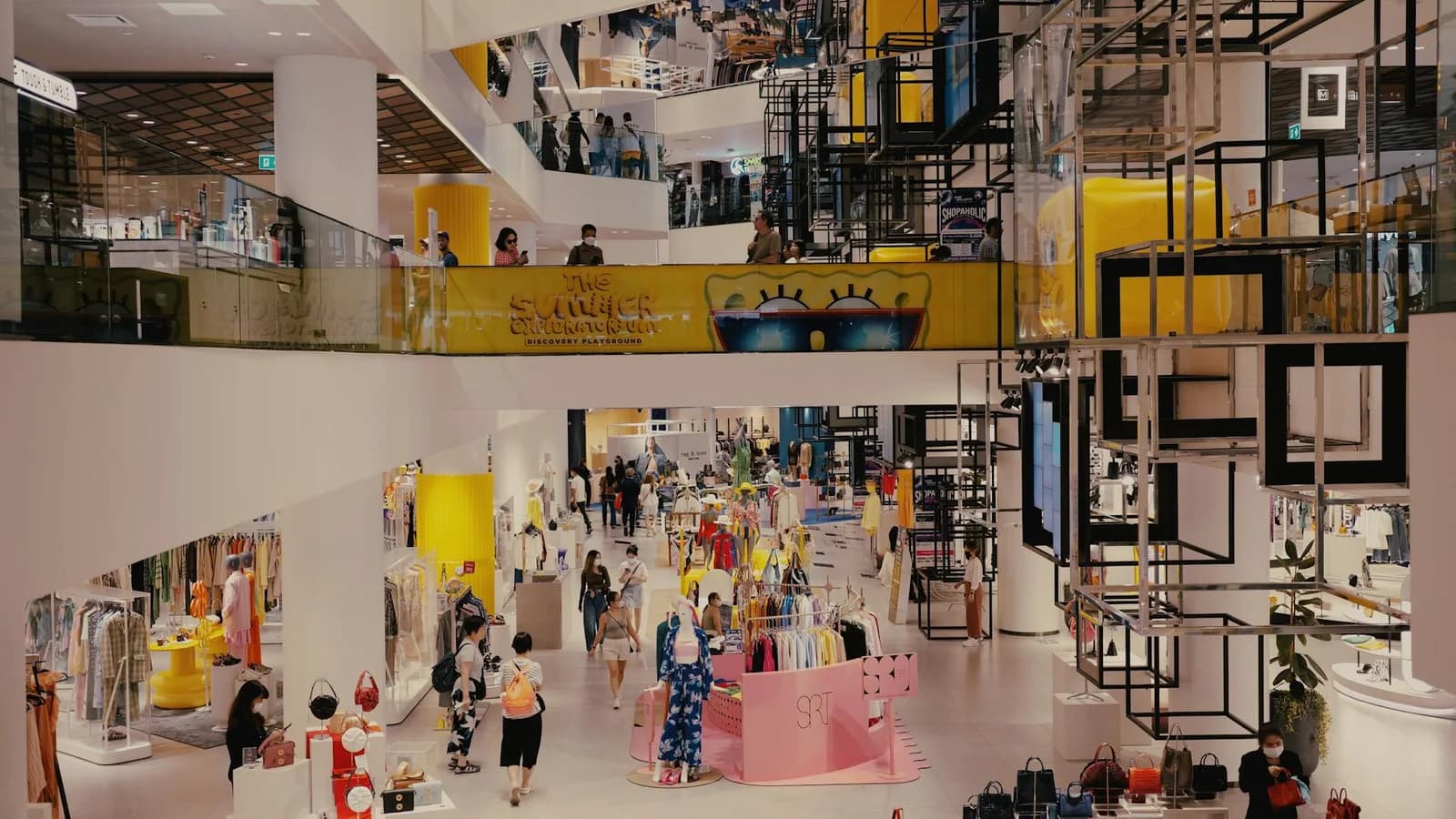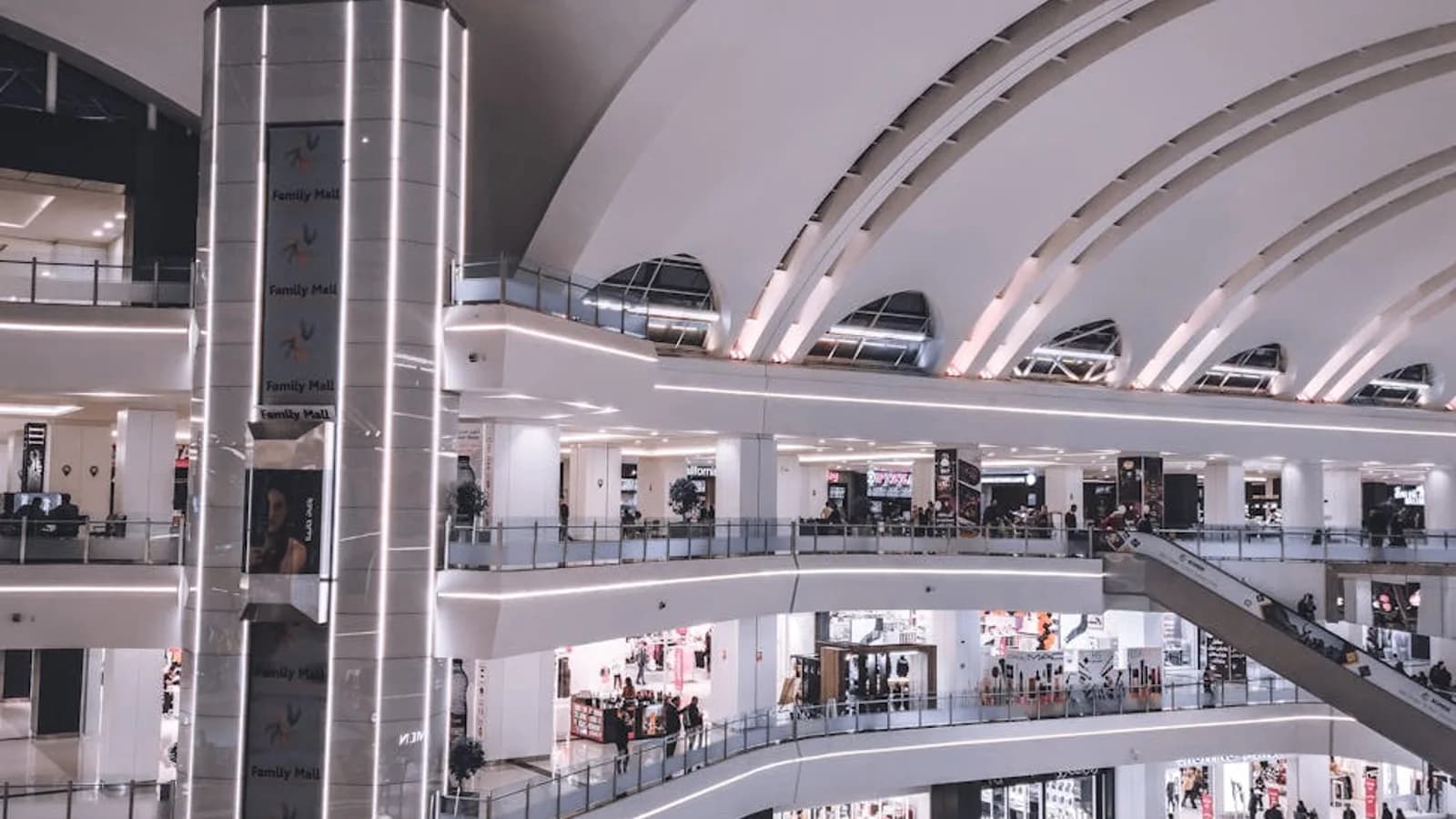
Weekend performance in malls is not just about attracting more visitors. It is about absorbing visitor waves without degrading circulation, service confidence, or commercial quality. The challenge is that wave pressure rarely distributes evenly. It hits certain entrances, corridors, anchors, and amenities first, then spills into the rest of the center with different timing.
Why weekend pressure should be treated as a wave pattern
Peak periods are often managed as if the whole mall is uniformly busy. In reality, demand moves through the center in waves. One entrance may surge first, one anchor may trap traffic temporarily, one corridor may overload while another remains underused. If operations respond as though peak stress is everywhere at once, they may misplace resources and still miss the true pressure points.
Treating weekend pressure as a wave pattern allows the center to see where demand begins, how it propagates, and where intervention is needed first.
The operational role of corridors, nodes, and amenities
Corridors are not passive conduits. They actively shape the visitor experience. A corridor that feels fluid sustains confidence. A corridor that becomes compressed near an anchor or amenity can distort the rest of the journey and depress visitation quality deeper in the mall. Likewise, service amenities can either absorb demand cleanly or become friction points that contaminate surrounding movement.
Mall operations improve when these spaces are treated as performance zones rather than background infrastructure.
Using wave intelligence to protect commercial quality
The objective is not merely to reduce visible crowding. It is to preserve commercial quality during peak demand. That means protecting movement continuity, reducing stress around high-pressure nodes, and keeping visitors able to discover, browse, and move with confidence. When wave behavior is understood, interventions can be timed earlier and positioned more precisely.
That is how malls avoid the common pattern where high traffic looks impressive on paper but produces weaker on-ground experience and diluted commercial value.