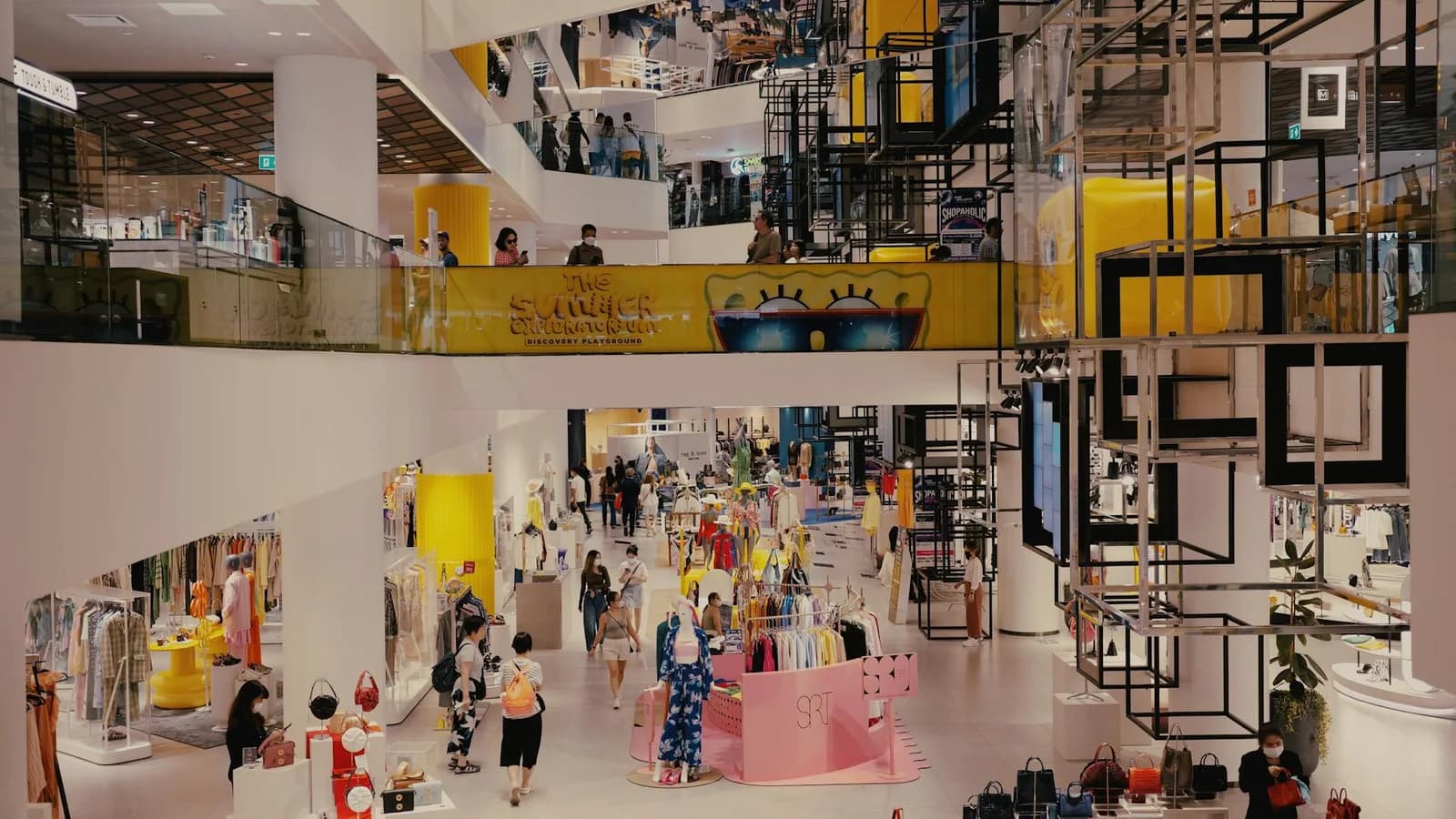
Many mall calendars are built around excitement: a holiday activation here, a brand event there, a family attraction during a key weekend. While this can create visible energy, not all excitement compounds into better center performance. A disciplined event calendar should shape repeat patterns of circulation, dwell quality, tenant confidence, and demand transfer across the whole asset.
Why individual event success can be misleading
A single activation can look successful because it creates a crowd, social visibility, or media-ready imagery. But that does not automatically mean it improved the commercial system of the mall. The event may have trapped traffic locally, disrupted key corridors, or failed to create any useful continuation into the rest of the center.
That is why leadership should avoid evaluating events in isolation. The real question is whether the calendar as a whole is shaping stronger center behavior over time.
What a disciplined event calendar actually does
A disciplined calendar creates rhythm, not randomness. It aligns event types with dayparts, seasons, leasing priorities, and circulation goals. It supports under-served wings when needed, reinforces key commercial moments, and avoids repeatedly overloading the same already-strong zone.
When events are planned this way, the calendar becomes part of asset strategy rather than a series of disconnected spectacles.
How to measure calendar quality at enterprise level
The best mall teams examine whether event periods improve corridor reach, strengthen secondary tenancy, increase repeat visit quality, and raise commercial continuation after the activation ends. This creates a much more honest basis for deciding which event formats deserve repetition and which should be redesigned or removed.
At enterprise level, calendar discipline protects capital, tenant trust, and the credibility of center programming itself.