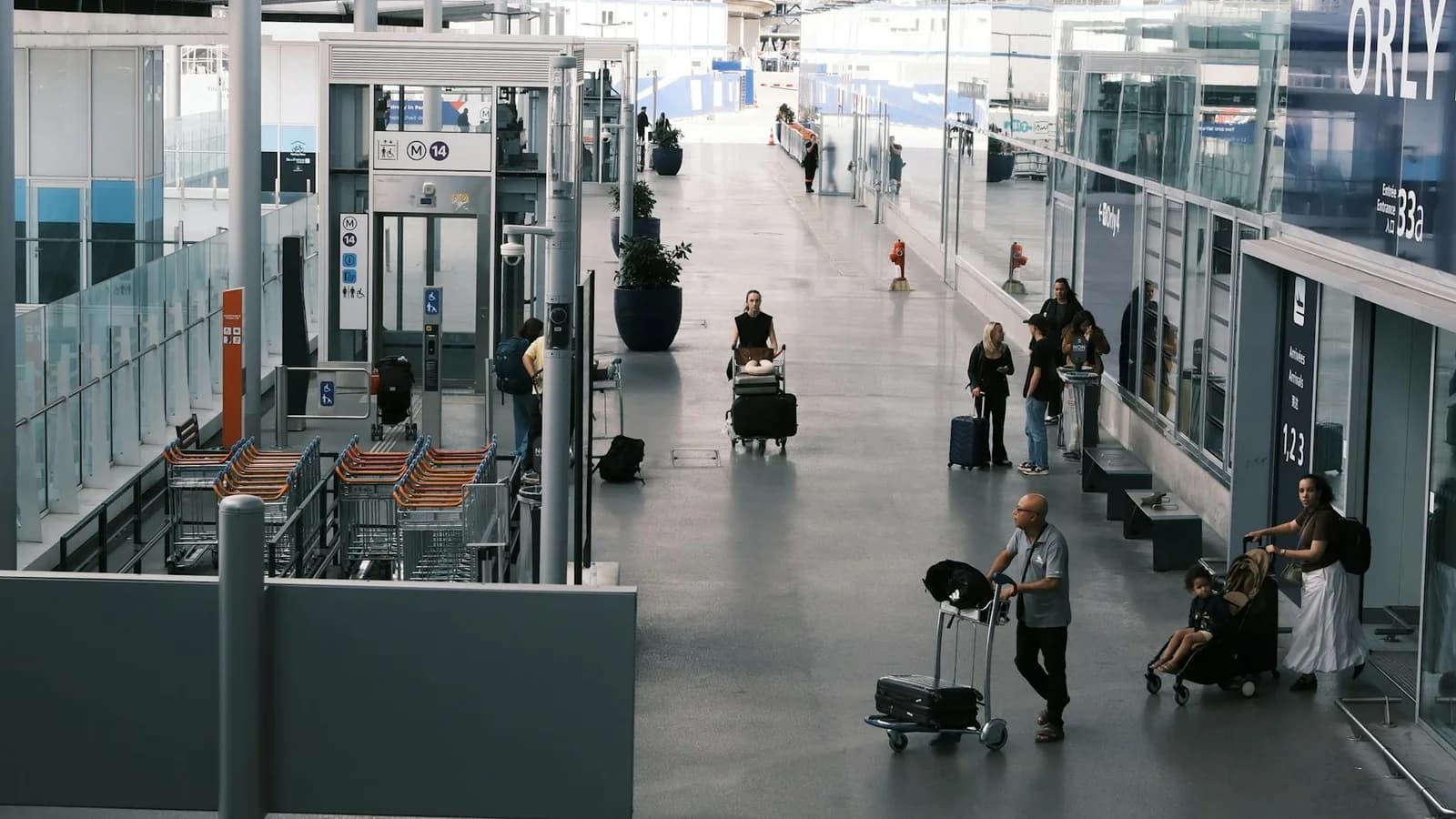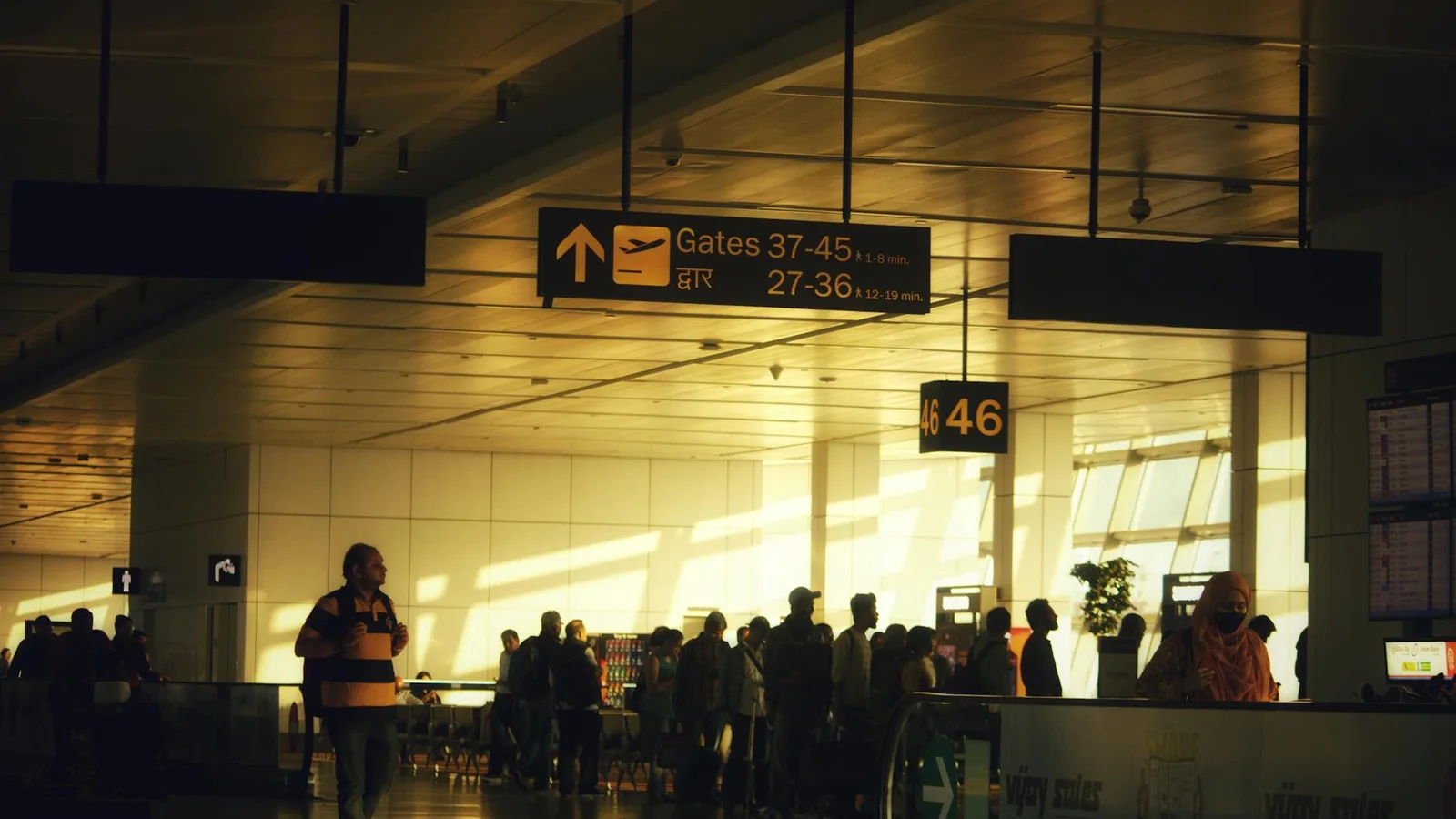
Passengers do not experience airports as a series of separate departments. They experience one journey. Yet many airport operations still treat curbside, check-in, security, circulation, and gate approach as distinct operational zones with only loose coordination between them. That approach misses one of the most important determinants of passenger behavior: confidence continuity across the full journey.
Why passenger confidence matters before congestion appears
A confident passenger moves differently from an uncertain passenger. They interpret signage more cleanly, make faster routing decisions, and require less reactive intervention from staff. When confidence breaks early, the resulting hesitation can compound into stress and inefficiency later in the terminal, even if each individual stage appears operationally acceptable in isolation.
This is why airports should view confidence as a flow variable rather than a soft-experience metric.
- Confidence affects speed, routing quality, and staff demand simultaneously.
- Early uncertainty can cascade into later terminal inefficiency.
- A connected journey model reveals issues that checkpoint metrics can miss.
What curb-to-gate continuity reveals
Looking across the full journey helps the airport see where one stage is burdening the next. A weak curbside arrival experience may produce downstream stress at check-in. Security uncertainty may distort concession dwell or gate approach timing. Poor transition between zones can create the impression of a congested airport even when local capacity is technically sufficient.
By viewing the journey as one flow, operators gain a much better picture of cause and effect across the terminal.
Using the insight operationally
Airport teams can use this approach to improve signage, staffing, wayfinding, and transition logic where confidence weakens rather than merely where volume peaks. That leads to smoother passenger behavior and more efficient use of operational resources.
The result is a terminal that feels more stable because it is being managed as an integrated flow system rather than a chain of separate processes.