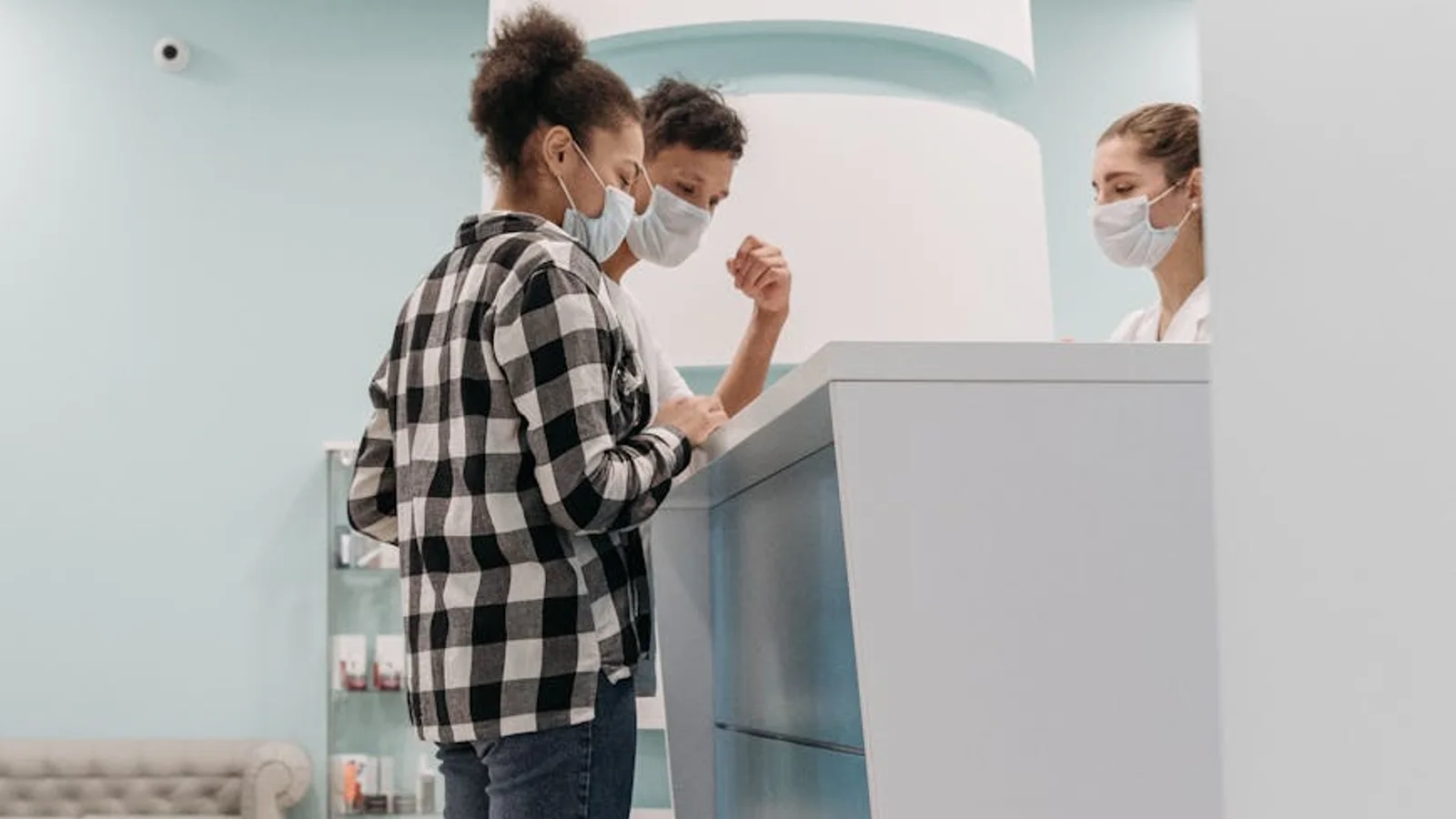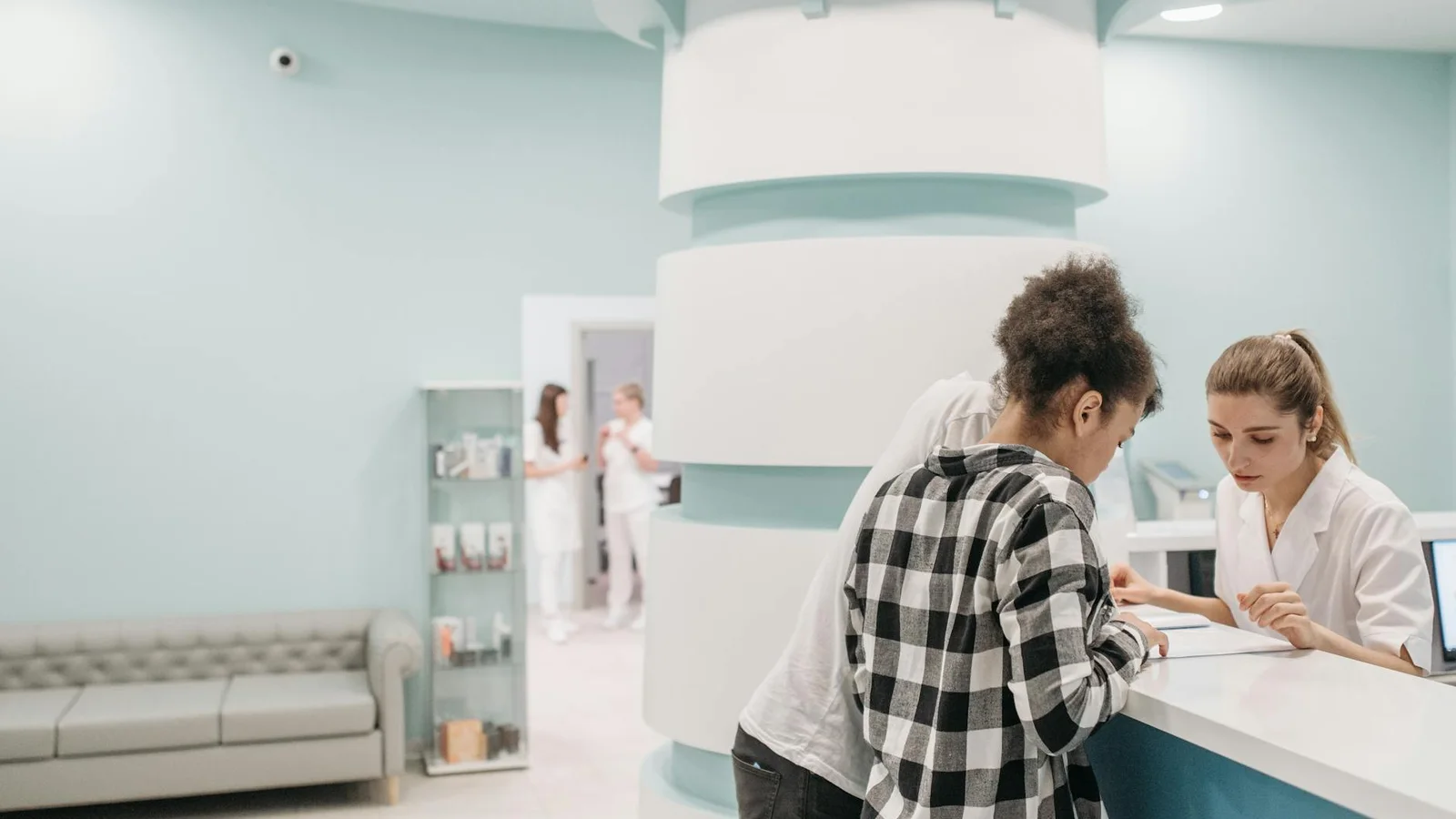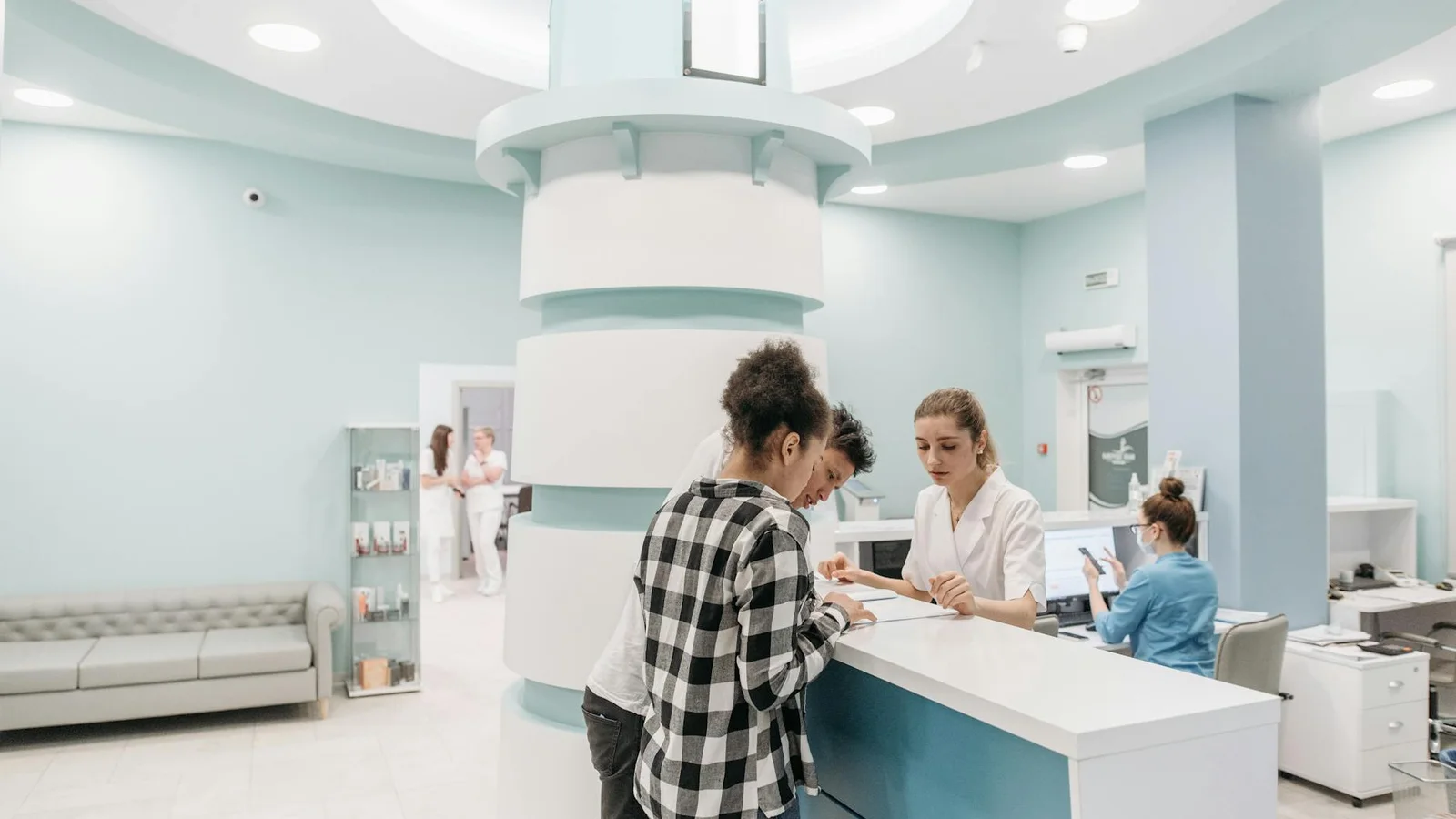
In healthcare environments, waiting is never just waiting. It affects stress, confidence, perceived quality, and throughput. Yet many teams still manage patient flow with fragmented observations and operational intuition. A stronger model examines how people actually move, where they accumulate, and which transitions are generating unnecessary friction.
What waiting environments reveal
A waiting area reflects much more than capacity. It reveals whether arrivals are being absorbed smoothly, whether downstream handoffs are reliable, and whether the environment supports calm or generates visible stress. Long dwell in itself is not the whole issue. The quality and structure of that dwell matters just as much.
Some healthcare environments experience orderly waiting with clear progress cues. Others create uncertainty, recirculation, and frustration. That difference is operationally significant.
Movement as a proxy for patient experience
When patients repeatedly reorient, cluster unpredictably, or hesitate at transitions, the environment is communicating uncertainty. These behaviors are often early warnings of process or layout friction that conventional reporting misses. Understanding them helps teams improve both experience and throughput.
This is especially relevant in multi-stage environments where check-in, triage, waiting, consultation, diagnostics, and discharge create several movement decisions in sequence.
How healthcare teams use this practically
Practical applications include redesigning waiting layouts, protecting calmer circulation routes, improving queue handoff visibility, and aligning staffing to real arrival and transition patterns. Over time, this produces a more stable environment for both patients and staff.
The goal is not surveillance. It is operational empathy supported by evidence.