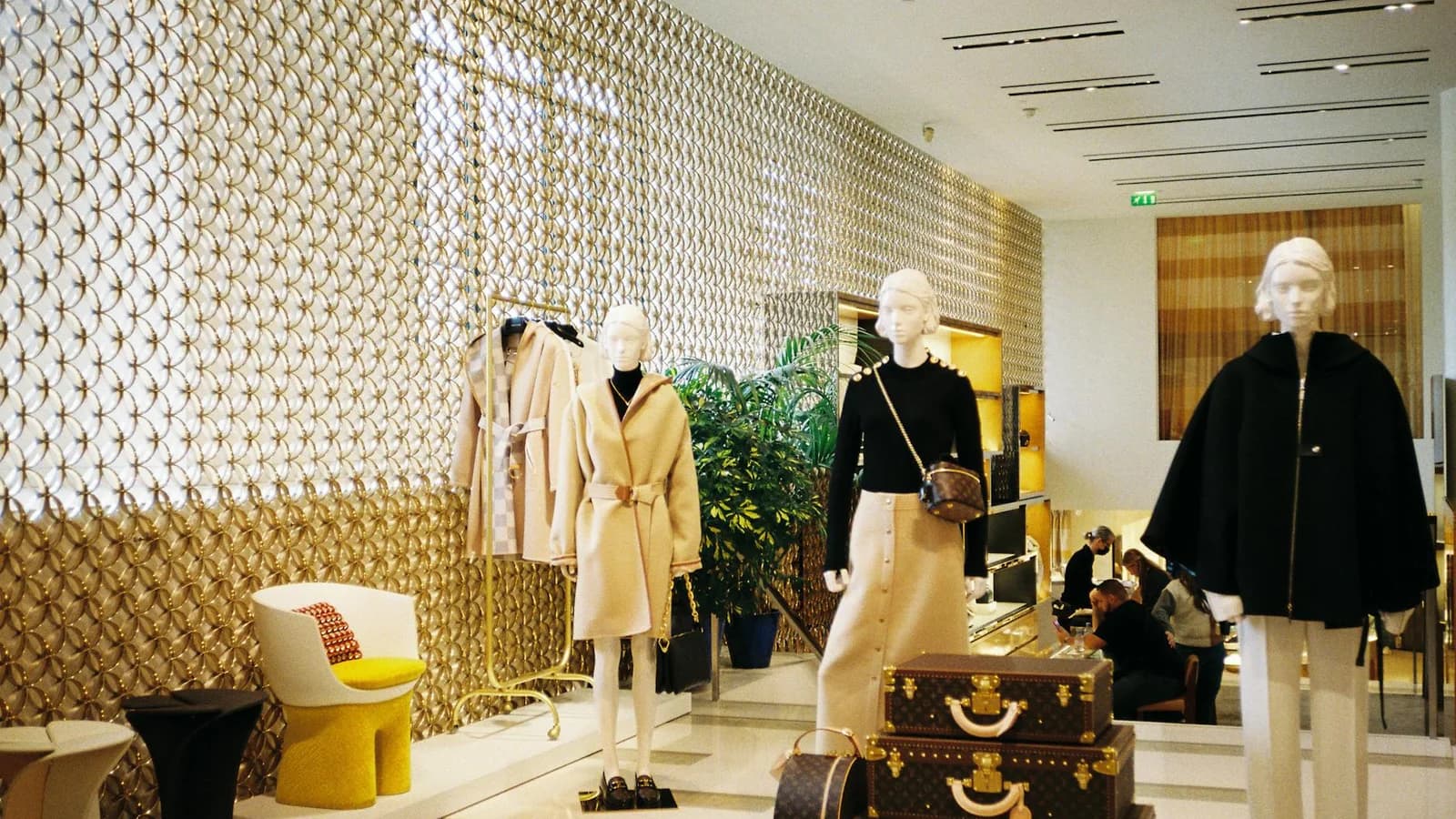
Seasonal floor resets are often treated as a visual and merchandising exercise. In practice, they are also a movement-risk event. New adjacencies, relocated hero displays, and changing category emphasis can all disturb the learned behavior of regular customers and the operating rhythm of staff. If these shifts are not managed carefully, the store can lose commercial clarity precisely when it is trying to create fresh demand.
Why transitions create temporary commercial fragility
A floor reset asks returning customers to re-learn the space. It also asks staff to guide them through a new arrangement while maintaining service quality. During that period, even a strong merchandising strategy can underperform because route familiarity drops, category discovery becomes uneven, and assistance demand rises in ways the roster did not expect.
The result is a temporary fragility in conversion. The store may still look refreshed, but the underlying path confidence can weaken until the new layout settles into customer behavior.
- New layouts often increase early-stage hesitation before they generate uplift.
- Relocated categories can break established basket-building habits.
- Staff must absorb both service demand and guidance demand during resets.
How to protect path clarity while changing the floor
The strongest retailers do not simply install the new layout and wait for behavior to normalize. They monitor whether traffic is reaching the intended hero zones, whether follow-on categories still receive their expected continuation, and whether service pressure shifts into newly confusing parts of the store. That lets them make small corrections before the transition becomes an invisible conversion tax.
This is particularly important in high-frequency formats or seasonal peaks, where the cost of path confusion is multiplied across many visitors in a short period.
What mature operators learn from each reset
A seasonal reset is also an experiment. It reveals which adjacencies still work, which displays truly intercept demand, and which pathways are resilient under change. Retailers that observe these transitions carefully build a reusable knowledge base for future floor changes instead of treating every reset as a one-off execution task.
That creates a compounding advantage. Each seasonal change improves not just the current floor, but the organization’s ability to redesign with less risk next time.