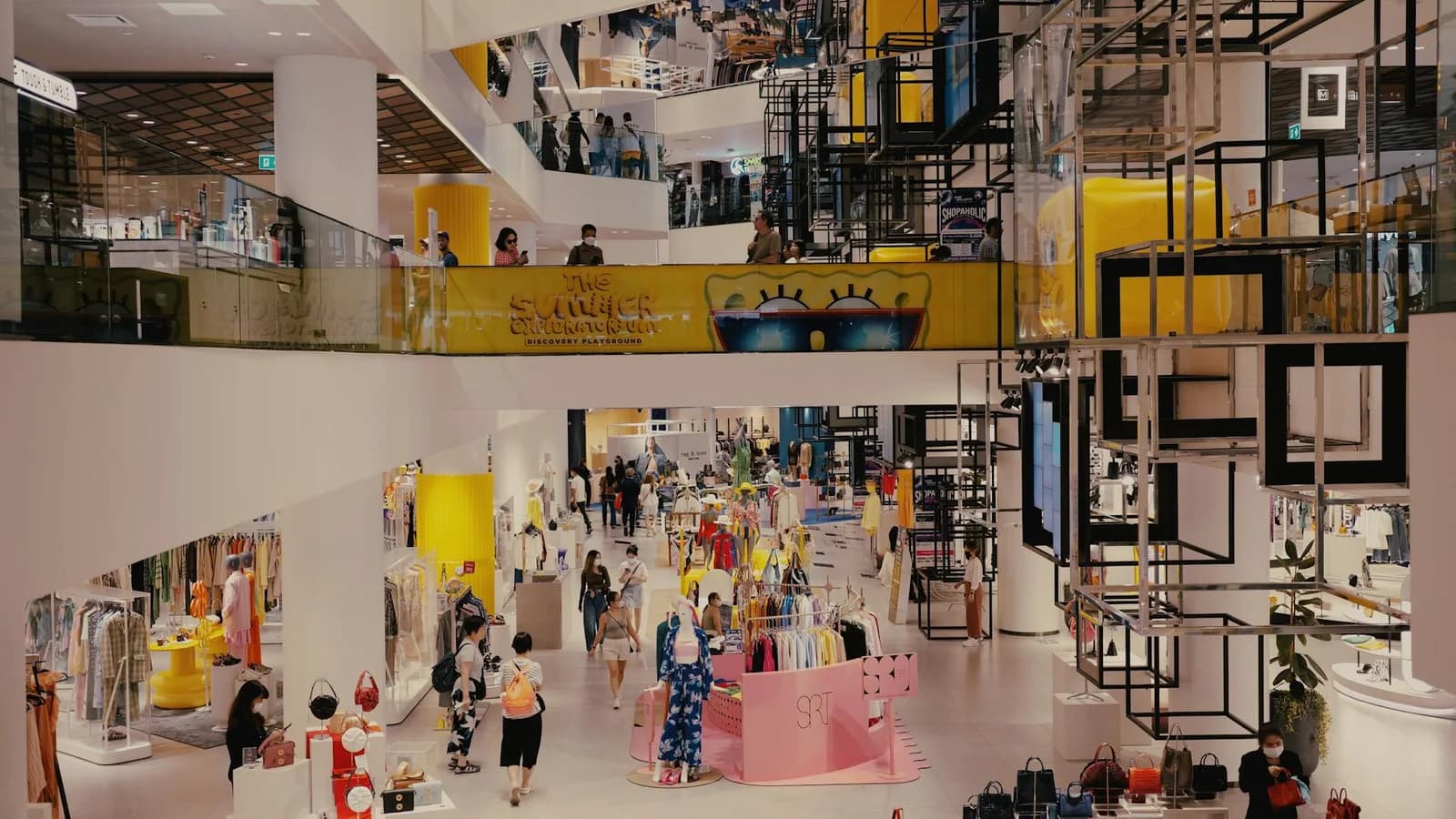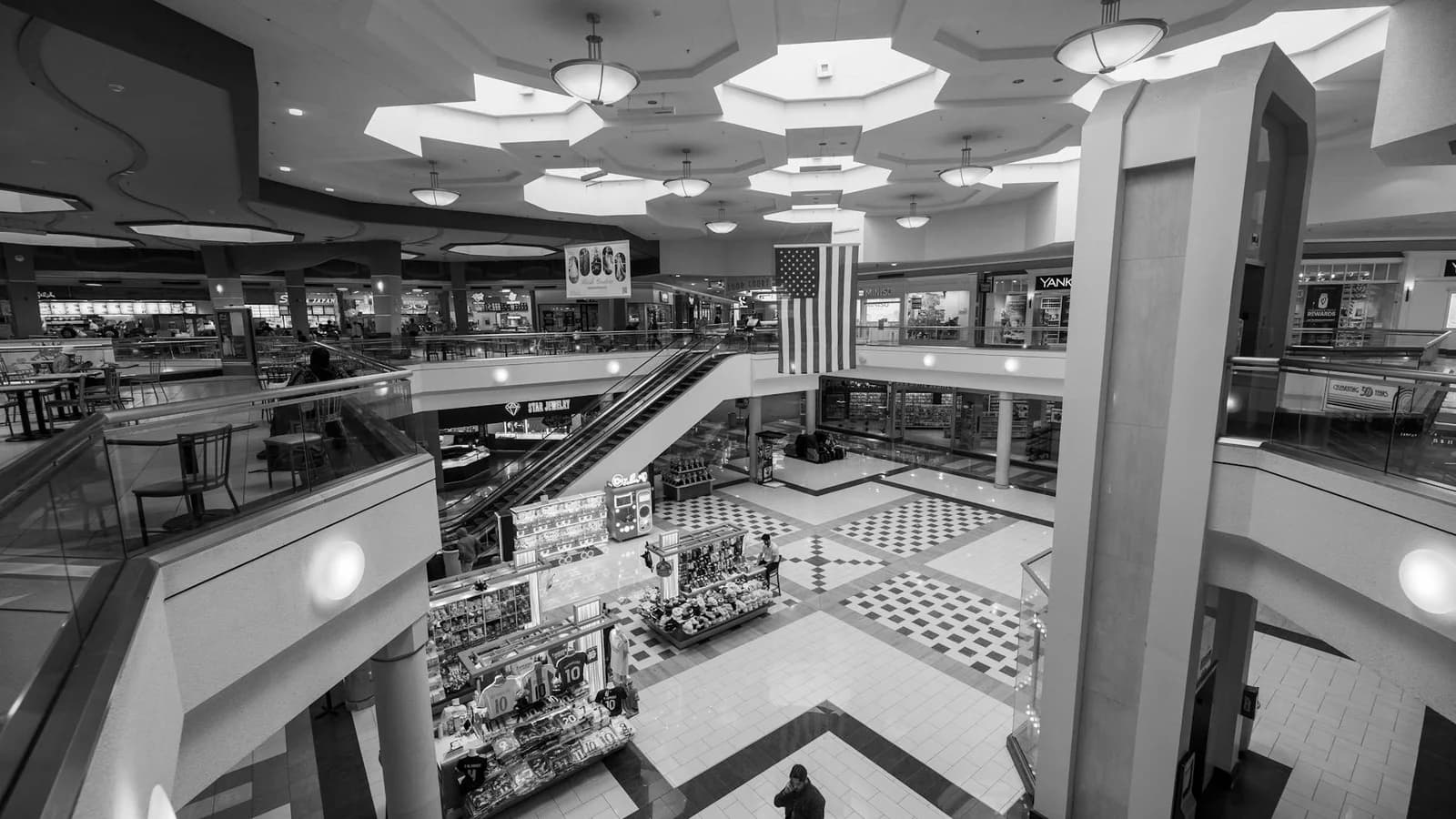
Not every visitor who reaches the mall site becomes useful interior demand. Between parking, approach, entry, and initial orientation, a significant amount of commercial energy can weaken before the visitor even enters the main retail journey. This is the lost conversion layer between arrival and productive engagement. It is often ignored because mall reporting starts too late, after the visitor is already inside.
Why arrival is not the same as engagement
A visitor can arrive, park, and technically enter the mall without becoming valuable circulation. They may head straight to one errand, become uncertain in the arrival zone, or lose energy before orienting into the broader center. If leadership reads all arrivals as equivalent, it misses the friction that is degrading interior performance upstream.
This is especially relevant in large-format malls where parking, entrance choice, and initial wayfinding can materially shape the rest of the journey.
What parking-to-entry friction looks like
Parking-to-entry friction often appears as weak continuation after arrival, shallow penetration from certain entrances, inconsistent spillover from parking banks, or early clustering around convenience-led areas instead of broader exploration. These are not merely operational inconveniences. They are commercial losses happening before the mall has had a fair chance to monetize the visit.
Once the mall can see these patterns, it can diagnose whether the issue sits in signage, entrance hierarchy, orientation design, or the commercial logic of the first interior moments.
How operators should act on arrival intelligence
Mall teams should compare parking banks, arrival paths, and entrance sequences based on the quality of interior continuation they generate. This helps them identify which arrival flows produce distributed value and which produce shallow, convenience-only behavior. It also supports better decisions on wayfinding, activation, and leasing around arrival edges.
The result is a stronger conversion architecture from site arrival to interior commerce, not just a nicer arrival experience.