When a secondary wing weakens, the default answer is often to seek a stronger anchor. Sometimes that is necessary. Often it is also incomplete. Weak wings do not fail only because they lack a major draw. They also fail because visitors do not believe the path is worth taking. Recovery therefore requires more than a tenancy fix. It requires restoring confidence in the journey itself.
Why weak wings are often a confidence problem
A wing can contain respectable tenants and still underperform if the route feels optional, disconnected, or commercially thin. Visitors make this judgment quickly. If the path does not signal sufficient reward, the wing loses not only first-time penetration but also repeat willingness.
That means recovery should start by examining route confidence, continuation quality, and the timing of demand transfer into the wing.
- Visitors choose against uncertainty long before they reject a tenant mix explicitly.
- Weak wings often suffer from path doubt as much as destination weakness.
- Recovery requires improving both belief in the route and value within it.
How to rebuild the wing without waiting for a miracle tenant
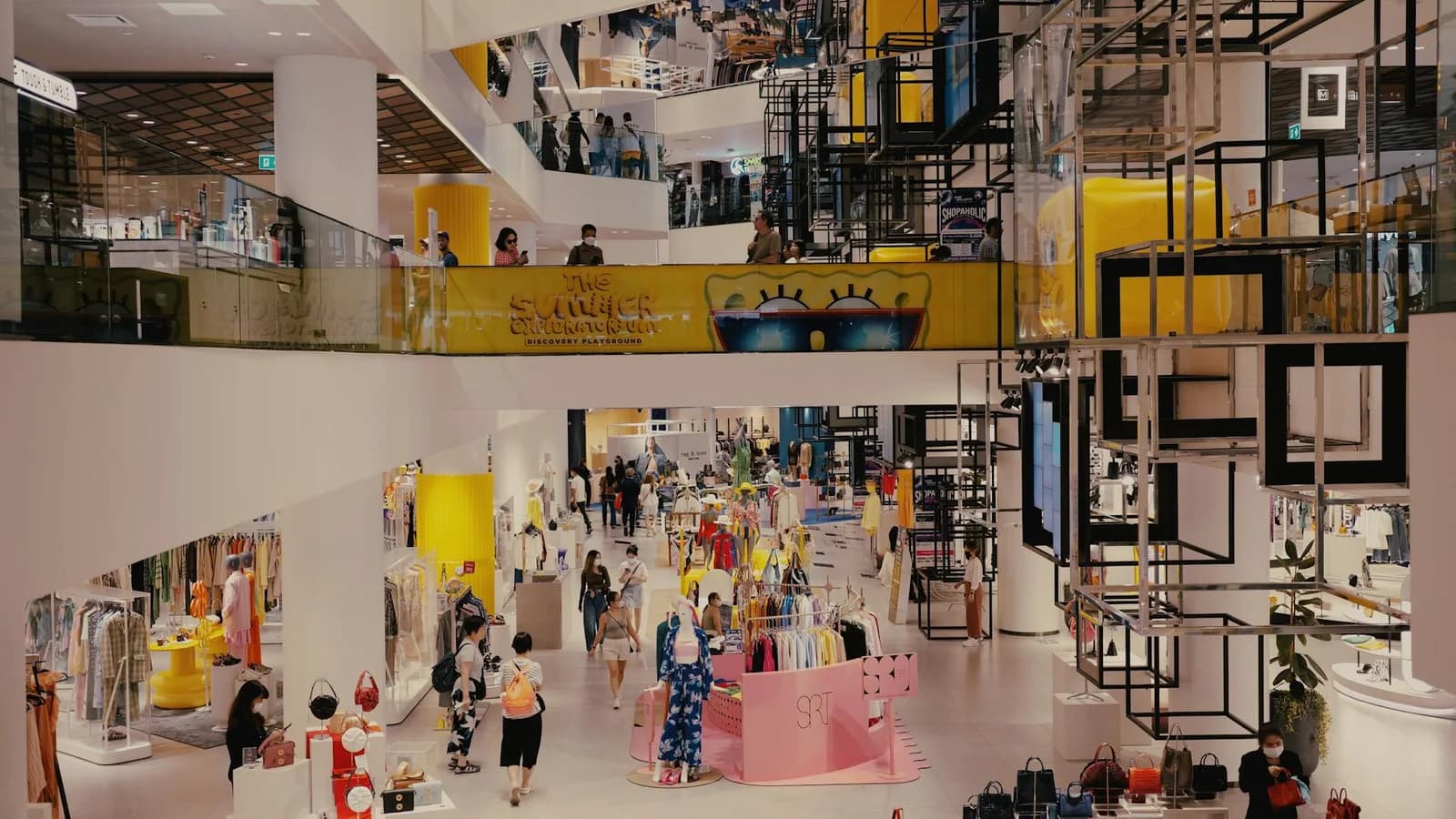
Mall teams can strengthen secondary wings by sequencing activations, clarifying transitional moments, improving corridor confidence, and staging reasons to continue before the visitor reaches the weakest section. These actions are not substitutes for leasing. They are the conditions that make leasing recovery more plausible.
This matters because the wing needs behavioral momentum before it can fully benefit from future tenancy improvements.
A better recovery model for mall operators
The most resilient approach combines path improvement, confidence-building cues, and selective commercial programming. This creates an environment where weaker space begins to earn more legitimate visitation rather than depending on a single rescue asset.
Over time, that produces a stronger and more balanced center. The mall becomes less reliant on anchor concentration and more capable of supporting value across its full footprint.