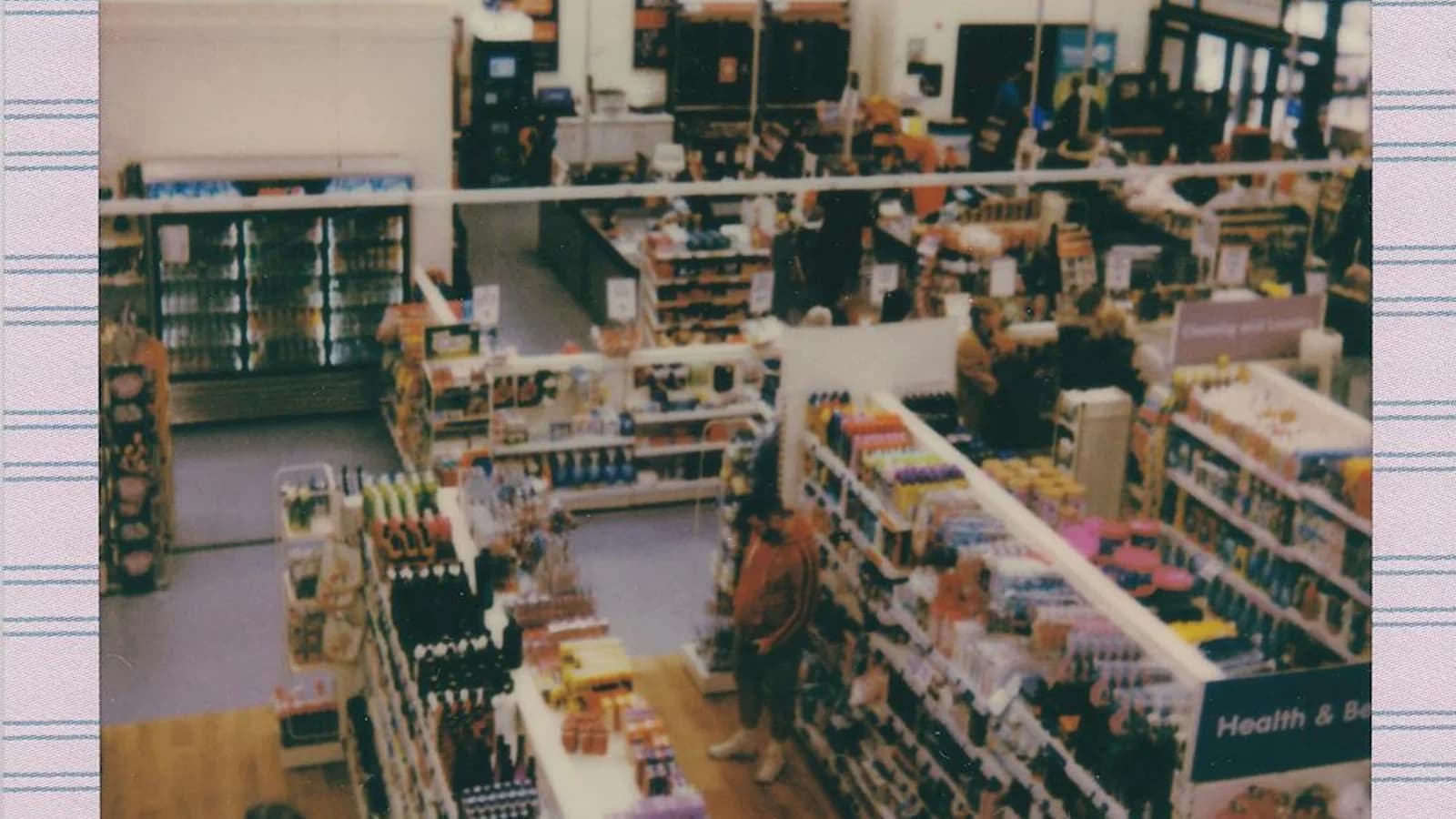
Peak retail days do not fail all at once. The breakdown usually begins in small, early signals: slower continuation into high-intent zones, premature queue formation, support teams pulled into the wrong location, or rising hesitation where decisions should remain fast. By the time the failure is obvious to leadership, the store has already been losing value for some time.
Why visible congestion is a late-stage symptom
Executives and store leaders often judge peak-day performance by what becomes visibly crowded. But the operation usually degrades earlier, before the queue fully forms or the service desk becomes overwhelmed. The store starts losing composure when traffic, evaluation, and service pressures become misaligned in timing or location.
That is why peak-day management should be based on precursor behavior rather than waiting for visible breakdown.
What the strongest operators watch first
Strong operators watch for subtle deterioration in route clarity, assisted-selling availability, transition speed, and zone-level pressure. They understand that a short delay in the wrong place can create a larger downstream queue later. They also recognize that a high-intent customer who hesitates under pressure is at greater risk of losing basket value before checkout even begins.
These signals give the store time to intervene while recovery is still possible and before customer confidence drops materially.
Peak-day orchestration as a commercial discipline
The best retailers treat peak-day management as a designed operating discipline. They align staffing, service routing, floor leadership, and visibility around the patterns that usually precede failure. This approach protects not only throughput but also decision quality under stress.
That is what separates a busy day that remains commercially strong from a busy day that only looks active while silently underperforming.