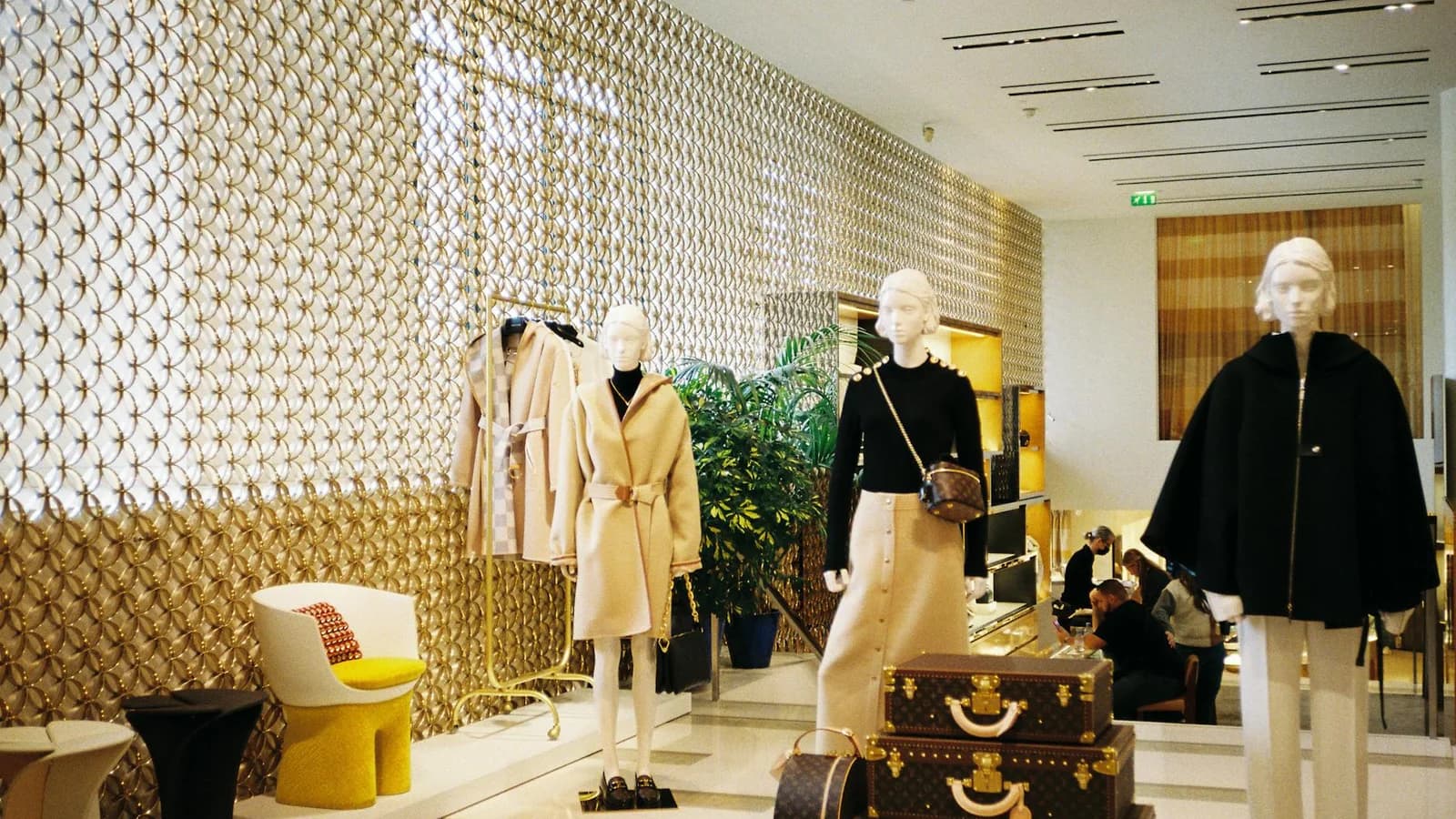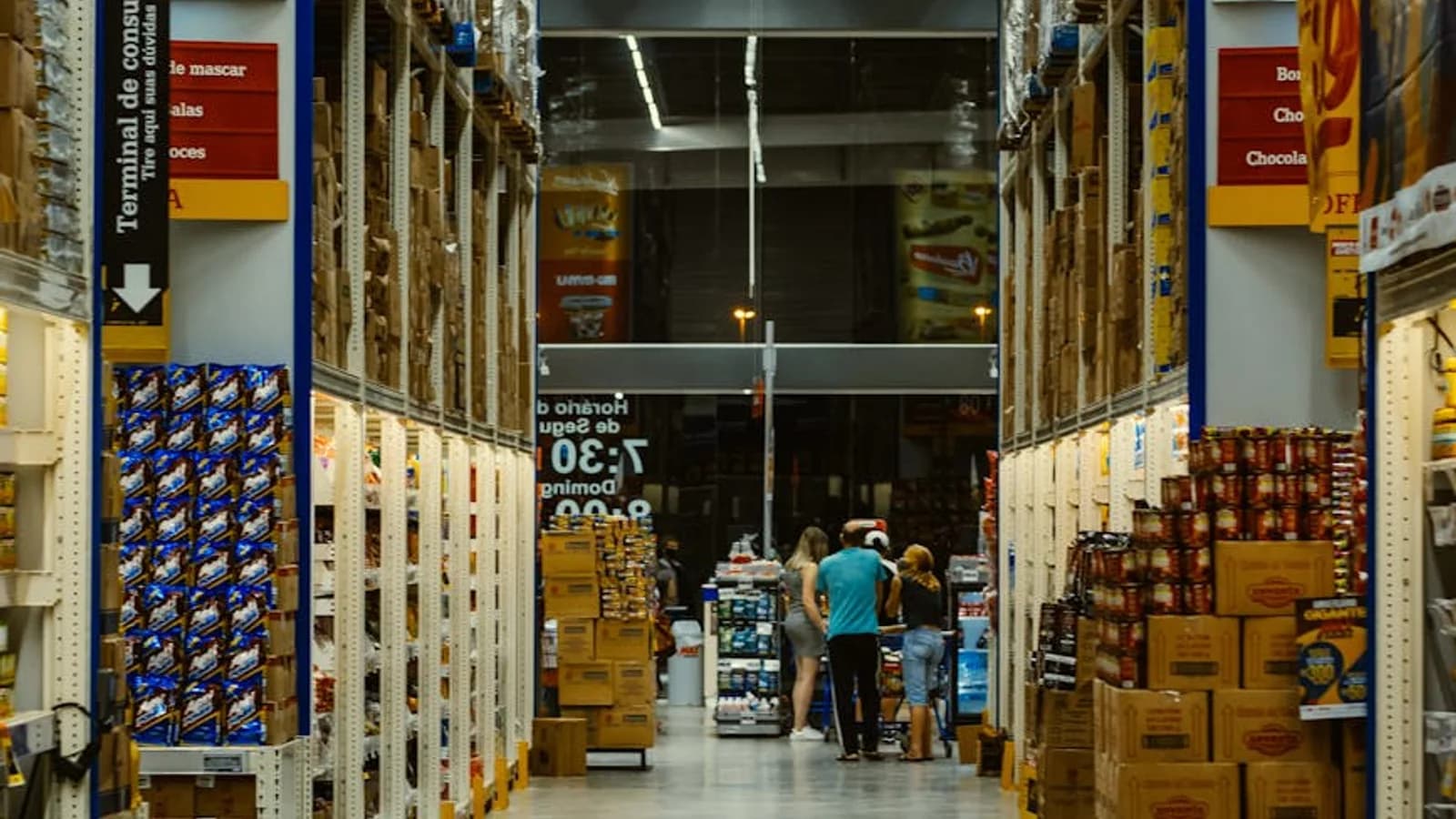
Cross-sell adjacencies are easy to justify in theory. If one category complements another, placing them near each other should increase basket size. Yet many adjacencies underperform because they are designed around category logic rather than customer continuation behavior. The result is a display concept that makes sense on paper but does not translate into real basket growth.
Why complementary logic is not enough
Two categories may belong together conceptually while still failing commercially in the floor environment. The handoff between them may be visually weak, physically awkward, or poorly timed in the customer journey. If the shopper has to break momentum to recognize the relationship, the adjacency can lose most of its intended value.
That is why cross-sell design should be evaluated through continuation, not simply through assortment compatibility.
What strong cross-sell behavior looks like
Strong cross-sell behavior is visible in path continuity, pause extension, and basket-building follow-through. The shopper does not merely notice the second category; they continue into it naturally at the right moment in the journey. That transition feels earned rather than forced.
When retailers study this behavior, they can tell whether a cross-sell zone is functioning as a natural next step or as decorative clutter that shoppers bypass.
Building adjacencies from evidence instead of assumption
The mature approach is to test how different placements alter continuation depth, revisit loops, and downstream conversion quality. This gives the retailer a more realistic view of which category pairings deserve prime space and which should be rethought. It also reduces the political bias that often accompanies vendor-led or intuition-led adjacency choices.
Over time, this turns cross-merchandising from a static visual tactic into a measured basket-building discipline.