Staging decisions shape movement quality more than many warehouse operators acknowledge. When staging expands beyond its intended footprint, aisle clarity weakens, route predictability falls, and local work becomes harder even if storage logic remains technically acceptable. This means staging discipline is not only an inventory issue. It is a movement issue with direct effects on execution quality.
Why aisle availability matters operationally
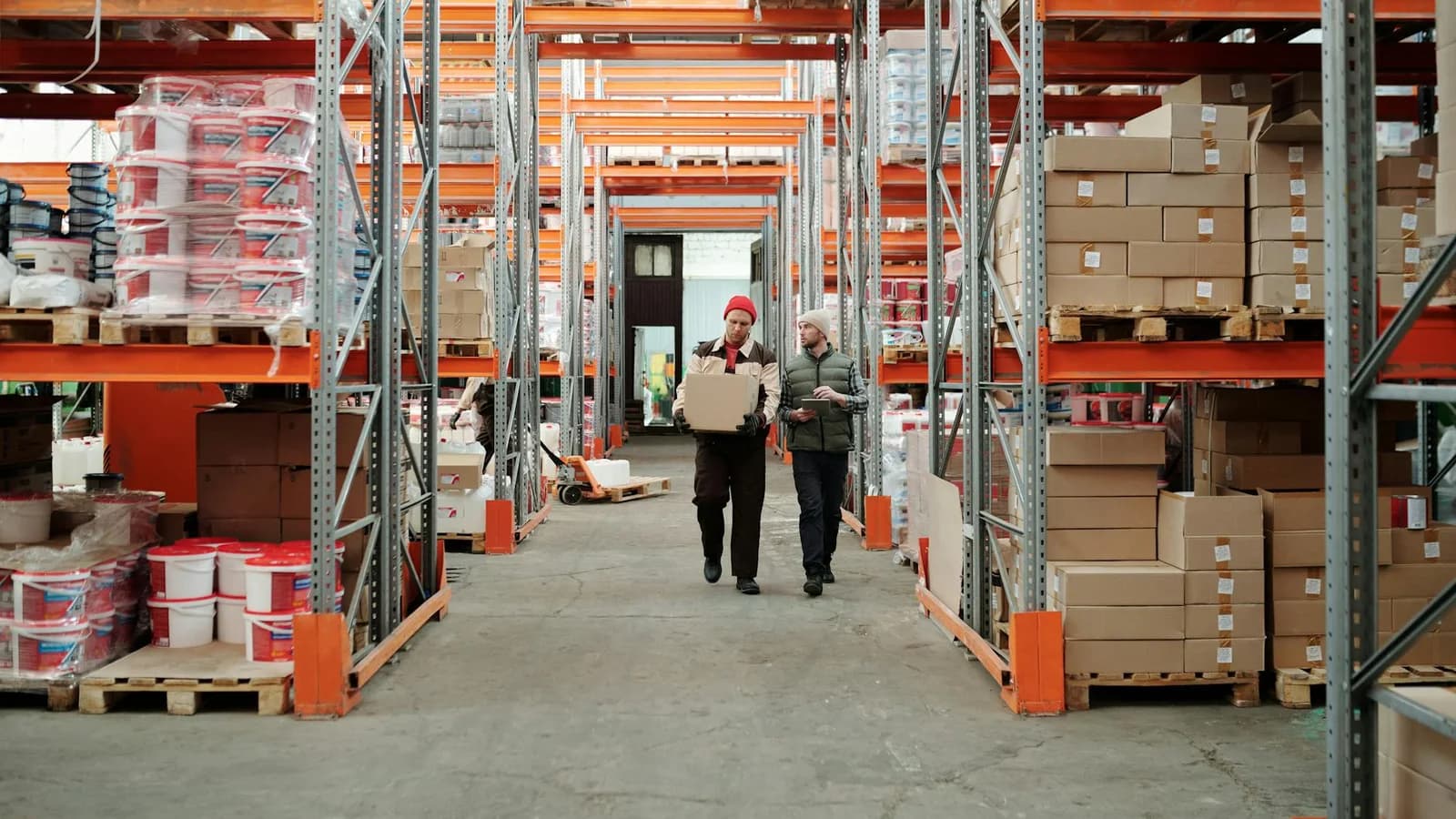
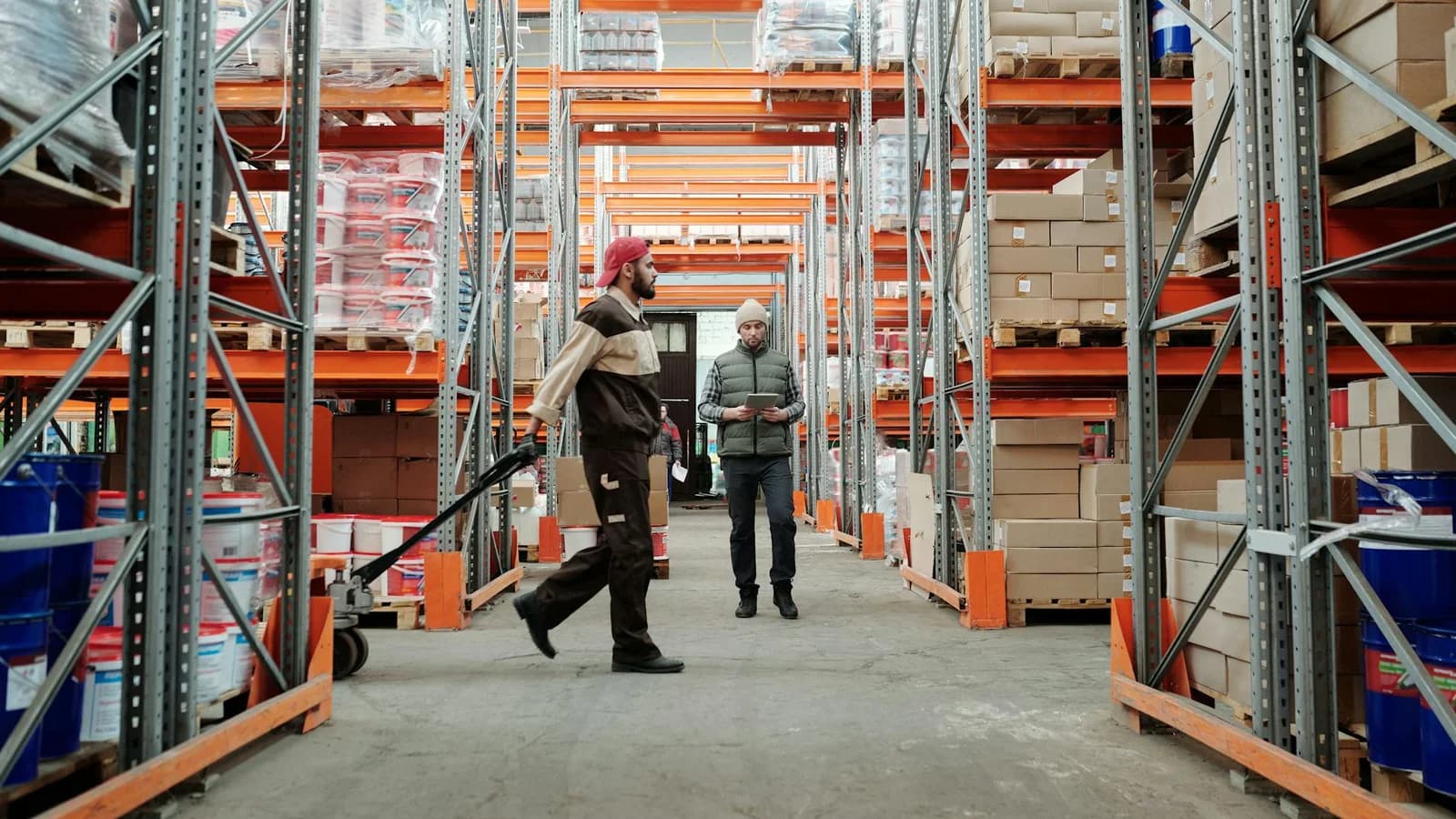
Aisles are not empty space. They are working infrastructure. When their usable width, visibility, or continuity is compromised by staging overflow, the warehouse loses rhythm. Labor moves more cautiously, route timing becomes less stable, and equipment interactions become more mentally demanding.
These effects often emerge gradually, which is why they are easy to normalize even while they are lowering efficiency.
- Aisle quality determines how confidently labor and equipment can move.
- Staging overflow often creates hidden movement costs before headline delays appear.
- Usable aisle clarity is part of execution quality, not just housekeeping.
What weak staging discipline looks like
Weak staging discipline appears as progressive narrowing, local blind spots, opportunistic temporary placement, and repeated route adjustments around material that was never meant to stay where it is. These signs reveal a warehouse that is protecting storage flexibility at the expense of movement quality.
If left uncorrected, the environment becomes harder to operate reliably under pressure.
How operators can restore cleaner movement
Warehouse teams can improve movement by tightening staging logic, protecting aisle continuity deliberately, and observing where temporary practices are becoming semi-permanent barriers. This allows them to reclaim route quality without necessarily changing the underlying building.
In practical terms, staging discipline helps the warehouse perform like a designed operating system rather than a space that is constantly compensating for itself.