Warehouses often optimize for throughput while underestimating the effect of visibility between dock activity and floor execution. Yet many labor disruptions begin precisely in these handoff zones, where incoming reality on the dock is not clearly synchronized with movement deeper in the warehouse. Better visibility across this transition stabilizes both labor and routing.
Why handoff zones create more disruption than expected
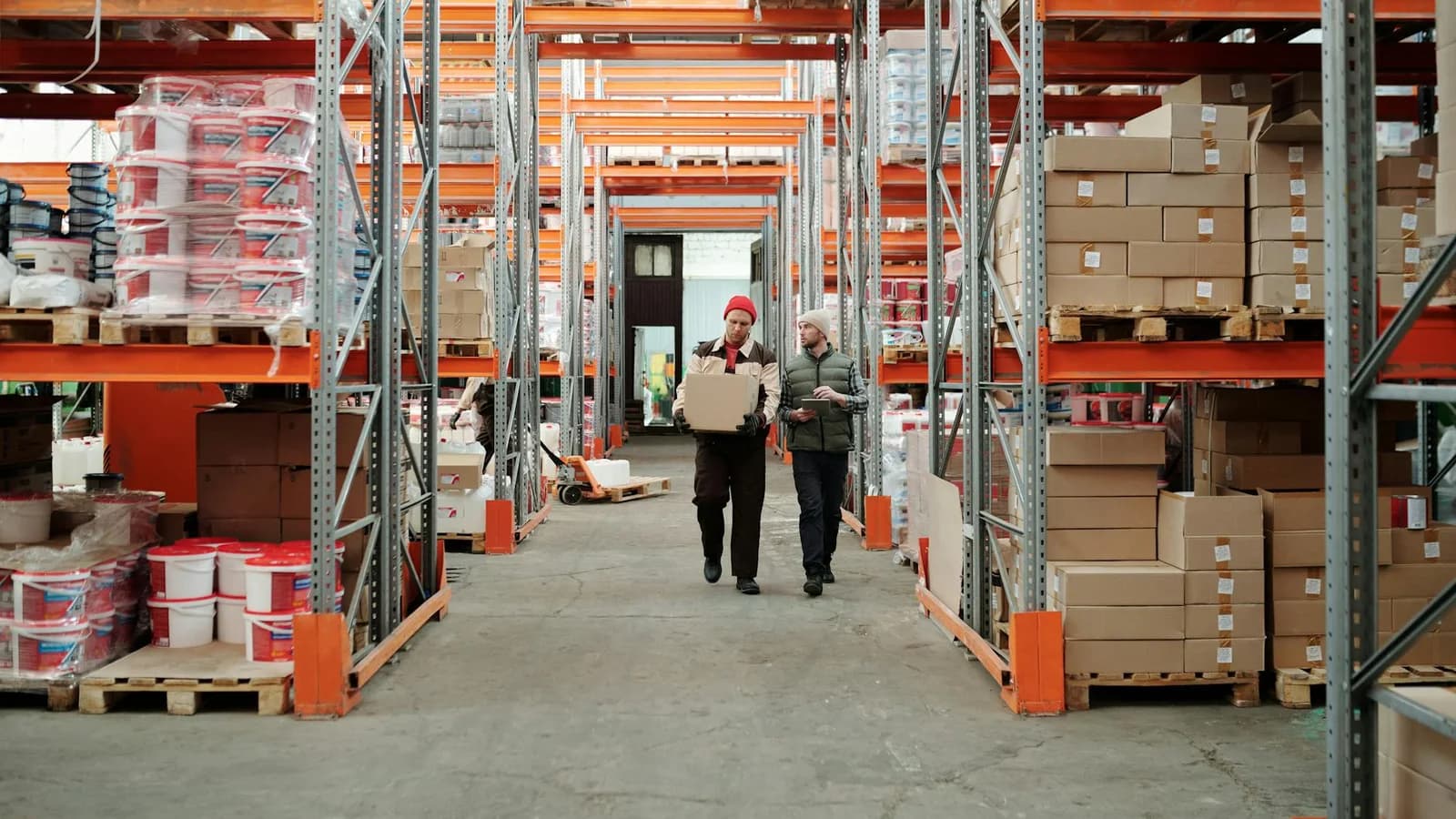
Dock operations and warehouse-floor operations may each appear efficient in isolation while still creating friction at the boundary between them. If inbound pressure is not legible to downstream labor, teams can end up bunching, waiting, rerouting, or reacting too late. These micro-instabilities reduce efficiency without always appearing as headline failures.
That is why dock-to-floor coordination should be treated as a movement problem as much as a scheduling problem.
- Handoff instability often hides inside otherwise acceptable throughput numbers.
- Weak visibility increases reactive labor behavior and route conflict.
- Stability improves when downstream teams can anticipate upstream pressure.
What better visibility changes
When movement and demand are more visible across the handoff, teams can stage labor more intelligently, protect route clarity, and reduce stop-start behavior. This makes execution smoother and lowers the emotional volatility that often accompanies warehouse pressure peaks.
Importantly, the goal is not just to see more. It is to make the right parts of incoming activity actionable at the right layer of operations.
Using the insight to strengthen warehouse rhythm
Operators can use dock-to-floor visibility to identify recurring handoff friction, redesign staging logic, and time labor against real pressure rather than assumptions. Over time, this produces a warehouse that is not only efficient but more behaviorally stable under stress.
That kind of stability matters. It improves safety, labor confidence, and execution quality all at once.