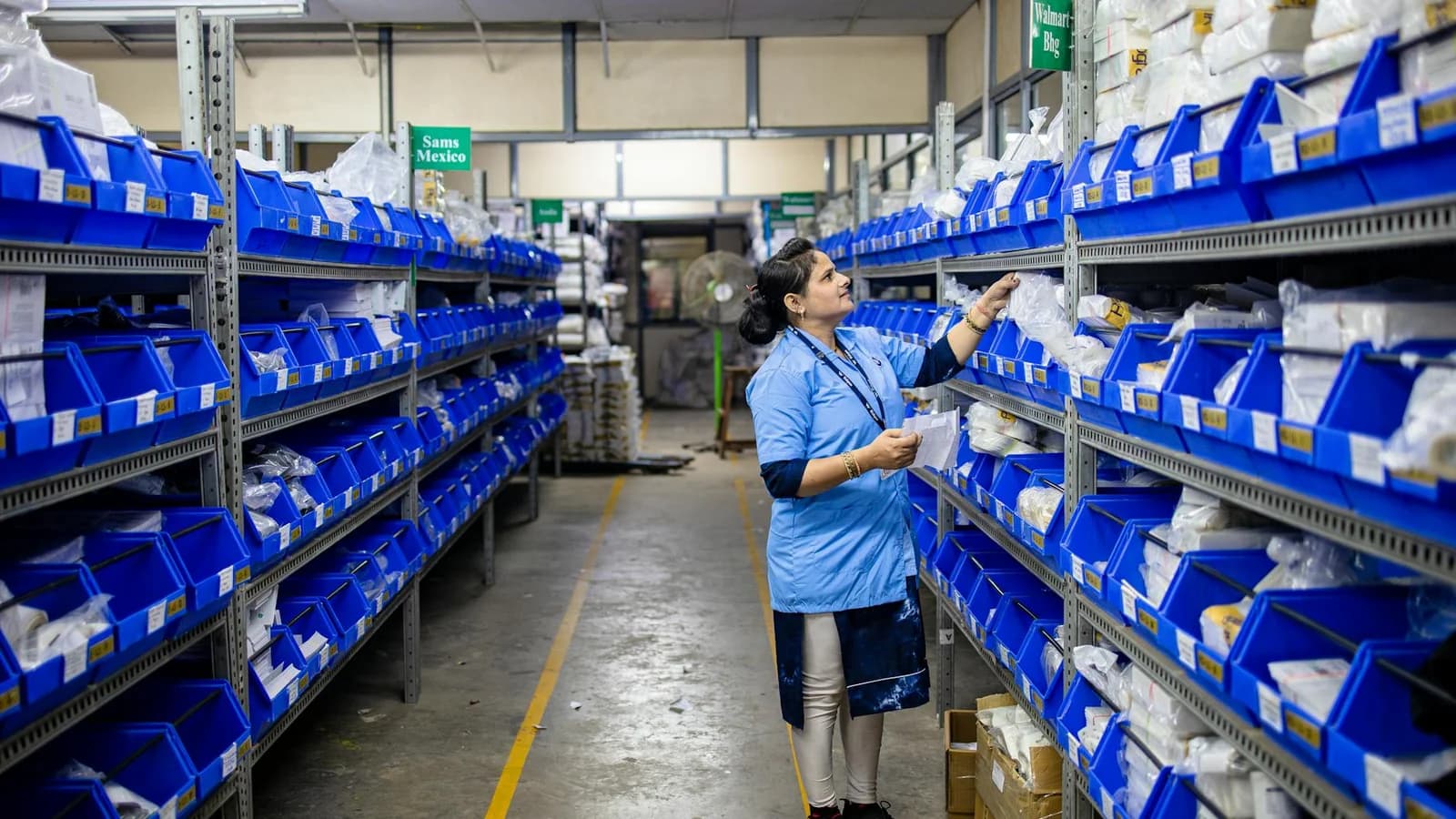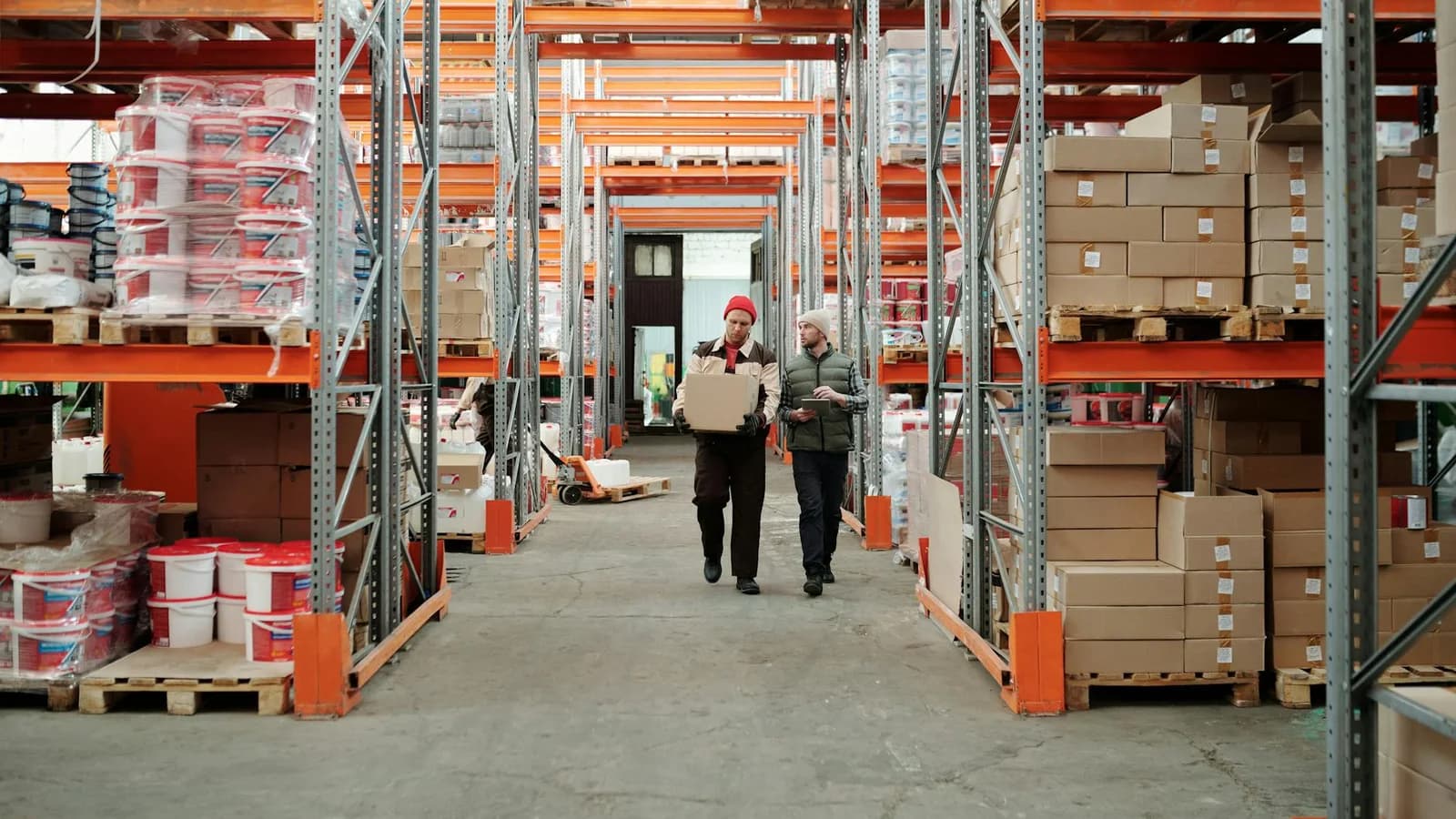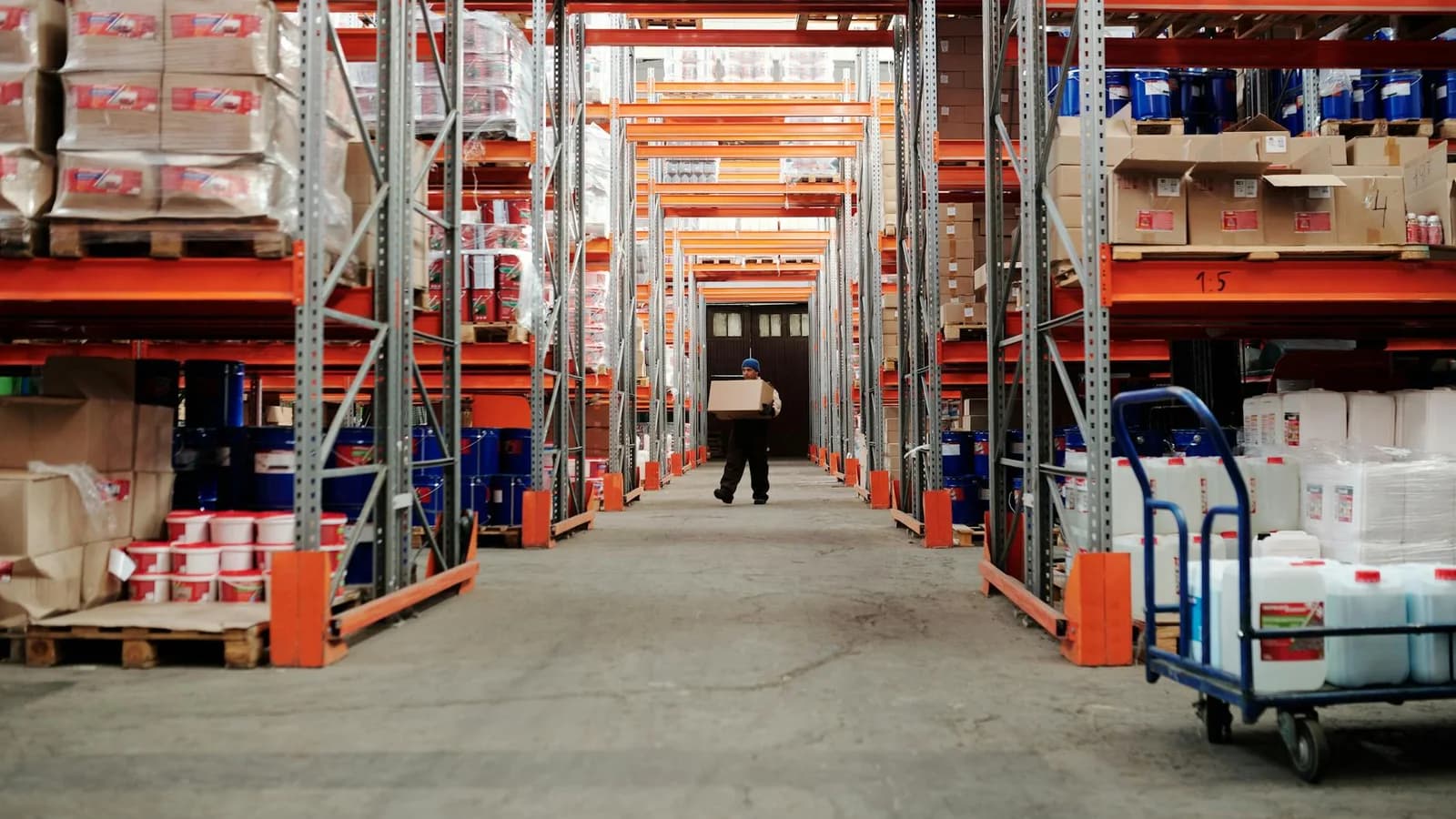
Throughput problems in logistics often appear as labor or planning problems, but movement is frequently the hidden variable. If workers travel too far, routes intersect inefficiently, or staging areas distort flow, productivity drops even when staffing and demand appear stable.
Why wasted motion compounds quickly
Small inefficiencies in pathing are expensive because they repeat continuously. A few extra seconds per pick route can multiply across shifts, zones, and teams into a serious throughput loss. Yet these inefficiencies are difficult to spot without structured movement visibility because they feel normal on the floor.
That is why operators need evidence of how routes actually behave, not only how they were designed to behave.
Conflict points as operational drag
Route conflict is one of the clearest signals of avoidable friction. Congested handoff areas, crossing paths, and uneven staging create stop-start behavior that weakens both speed and safety. These are rarely isolated design issues. They are usually symptoms of how the environment, workflow, and timing interact.
Once those patterns are visible, teams can re-sequence, re-zone, or redesign with much greater confidence.
What better path intelligence enables
Stronger path intelligence allows managers to reduce wasted movement, protect clearer operating lanes, and improve labor productivity without pushing teams blindly. It creates a more factual basis for decisions on slotting, staging, and route design.
In warehouse operations, that kind of visibility is often the difference between acceptable throughput and scalable throughput.