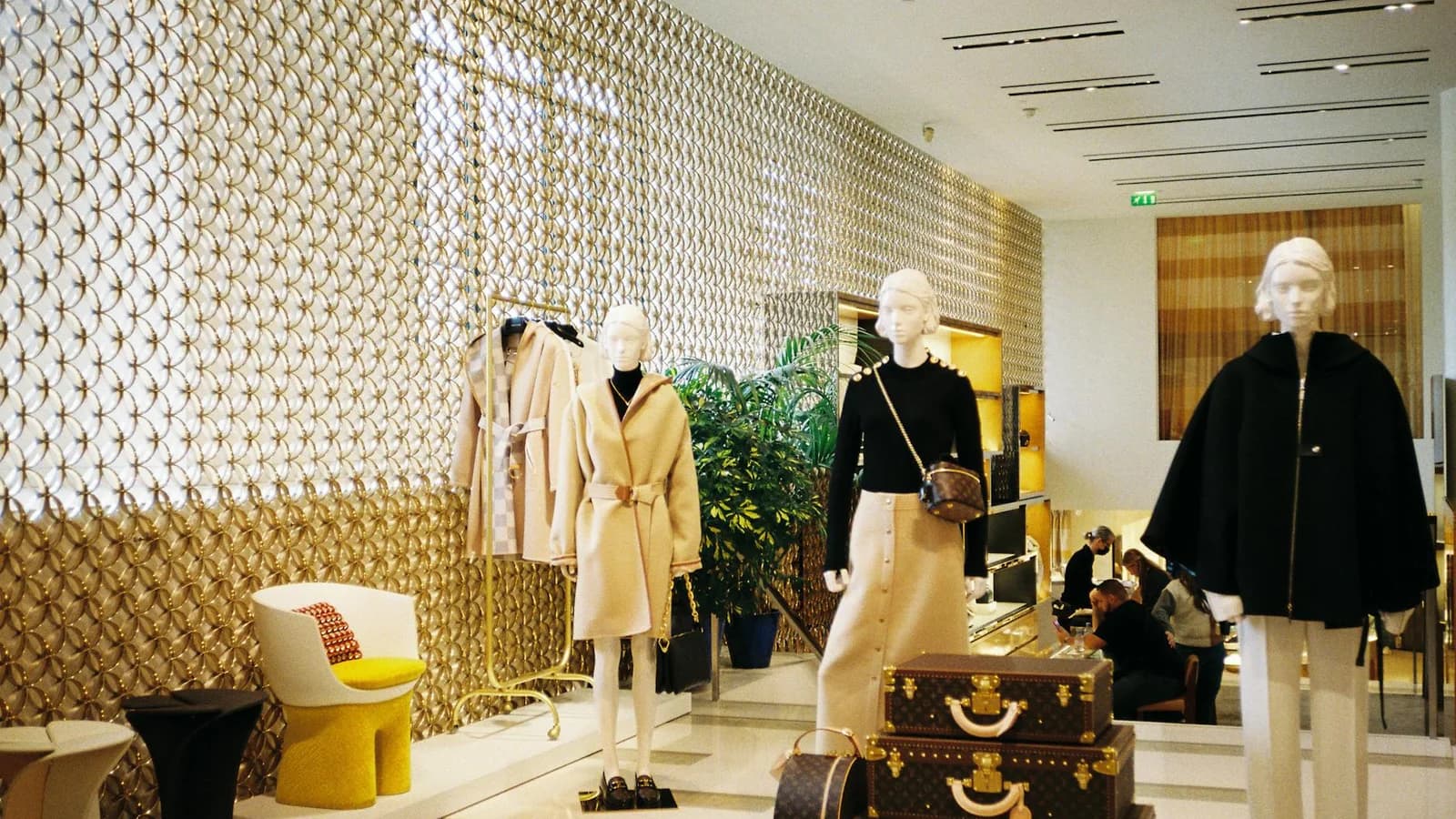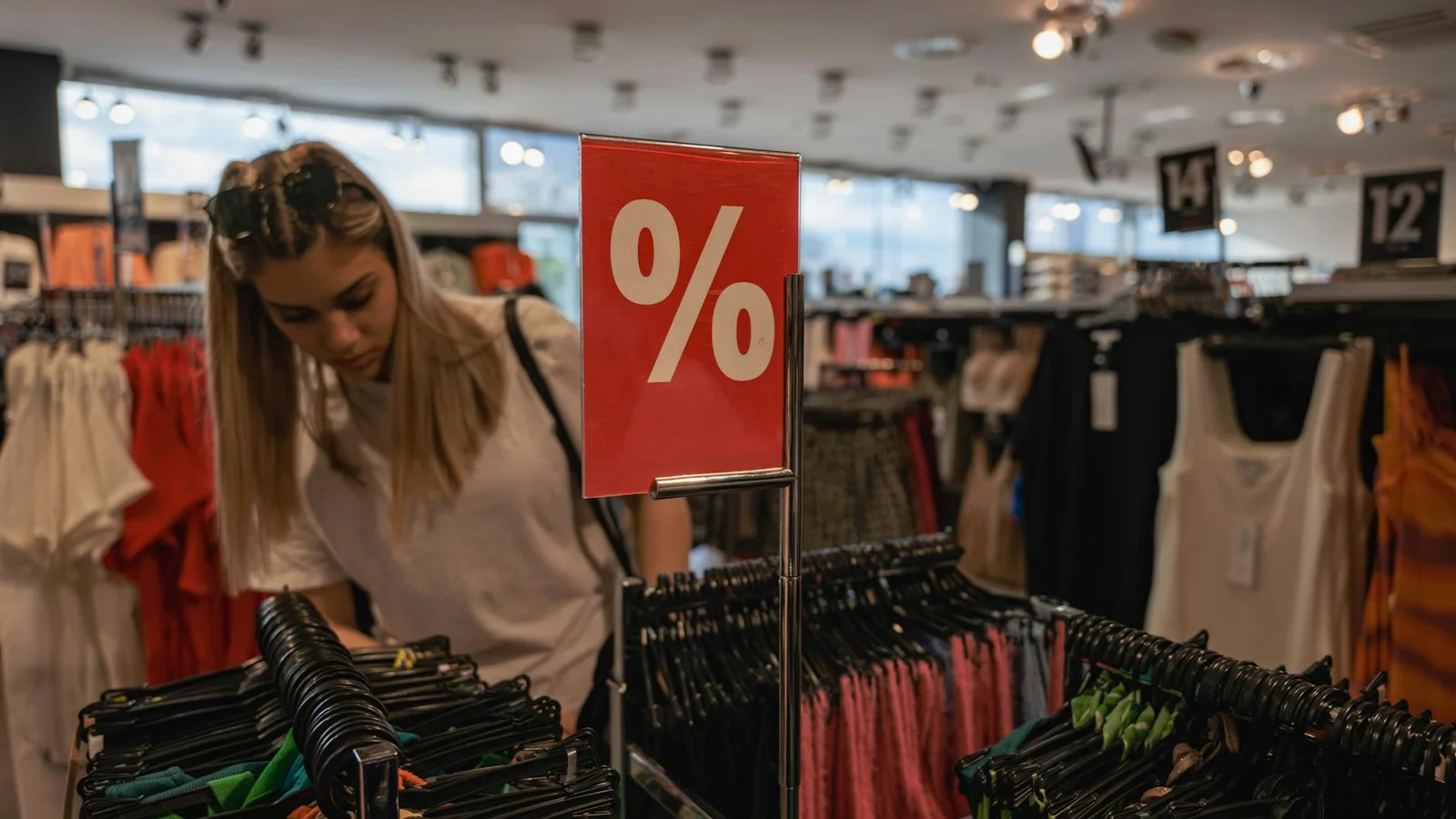
Sales per square foot remains useful, but it is too slow and too blunt to explain why one physical store is outperforming another. Enterprise retailers need a richer operating picture, one that shows how demand is entering the floor, how it moves, where it slows, and whether the environment is converting attention into commercial action efficiently.
Why historical productivity ratios are no longer enough
Legacy productivity ratios summarize results after the fact. They do not explain the mechanism that produced the result. A store may miss target because traffic quality weakened, because circulation was poor, because queue pressure emerged at peak periods, or because the merchandising hierarchy failed to intercept the dominant path. Without behavioral visibility, these different causes can look identical in financial reporting.
That is why retail floor performance must be treated as a live system. Management needs to see how the floor is functioning before the weekly number hardens into a missed outcome.
The store as an operating environment, not a static box
A well-performing store does not simply attract people. It shapes their route, protects their attention, and supports confident movement toward decision points. Entry behavior matters. Pause behavior matters. Return loops matter. The proximity between product discovery and assistance matters. All of these can either accelerate conversion or quietly degrade it.
When retailers measure the store in those terms, they stop over-attributing performance to top-line campaign success and start seeing whether the floor itself is doing its job.
How floor analytics changes decision quality
The immediate gain is better prioritization. Instead of broadly saying a store feels weak, teams can identify whether the problem sits in entrance capture, circulation, engagement, or assisted conversion. That makes intervention faster and less political. It also improves portfolio reviews, because stores can be compared on actual behavioral performance instead of narrative alone.
For enterprise retail, that is the real value: a floor-performance model that links behavior to action and action to commercial return.