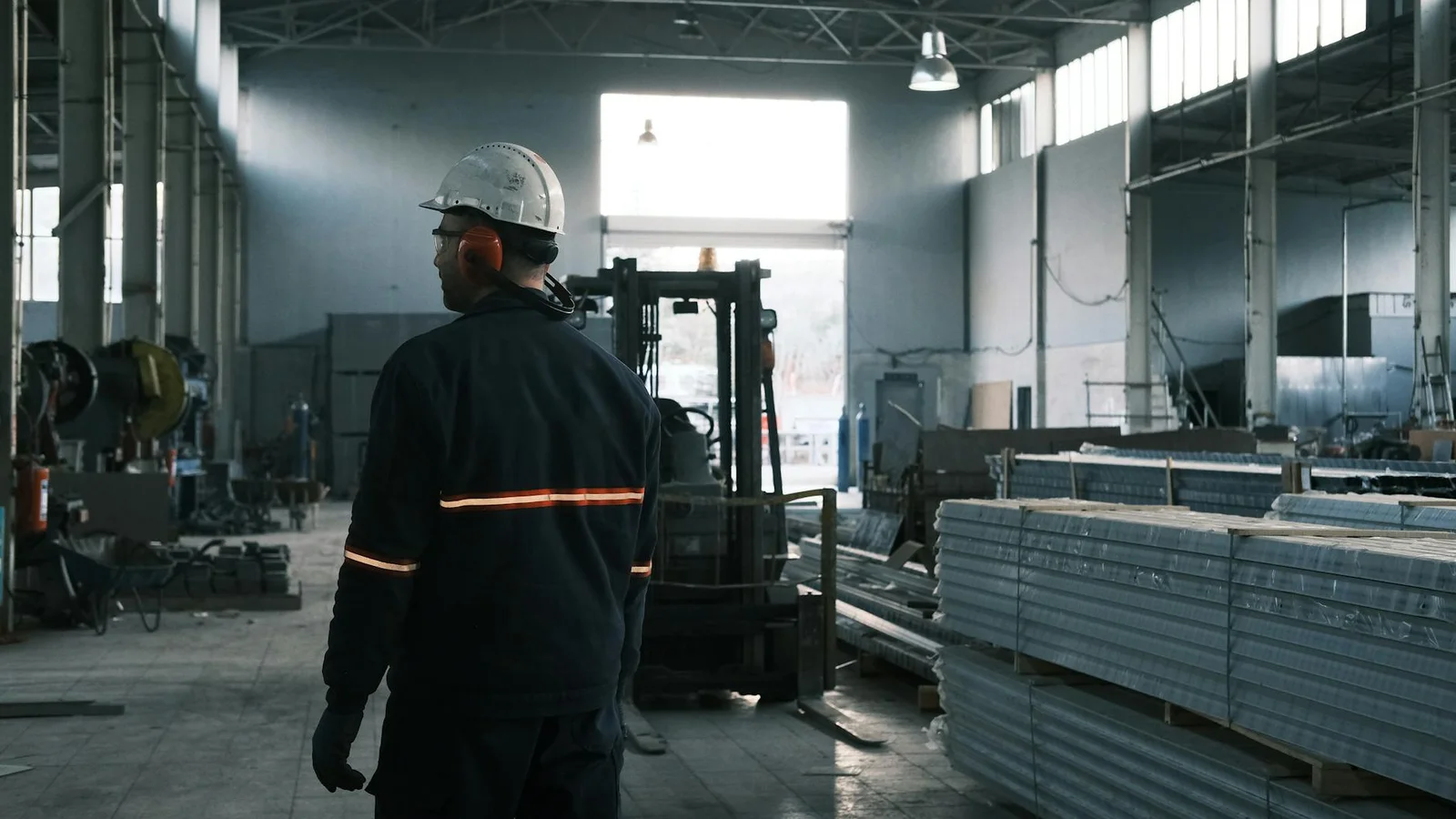
On the plant floor, trust is part of throughput. Pedestrians and mobile equipment operators continuously judge whether a path feels clear, safe, and predictable enough to continue. When line clearance is weak, both sides slow down, hesitate, and create micro-conflicts that degrade rhythm. Stronger route clarity improves both confidence and execution.
Why trust matters in mixed-movement environments
Mixed-movement environments depend on fast, low-friction interpretation. If either pedestrians or vehicle operators are forced into constant uncertainty, they compensate with caution, evasive behavior, or overcorrection. While this may reduce immediate risk, it also reduces efficiency and creates a less stable operating environment overall.
That is why trust on the floor should be treated as a design outcome, not merely a cultural one.
- Low trust produces hesitation and stop-start behavior.
- Clear route separation improves both safety and operational tempo.
- Predictability reduces the need for human workaround behavior.
What weak line clearance looks like
Weak line clearance often appears in blind transitions, uncertain crossing priority, over-reliance on eye contact, and local slowdowns around repeated conflict points. These behaviors signal that the environment is asking operators and pedestrians to improvise too much of the coordination themselves.
In a busy plant, those repeated improvisations accumulate into meaningful drag.
How to improve movement trust without slowing the plant
Manufacturers can improve trust by clarifying route geometry, improving visibility, formalizing transition rules, and reducing ambiguity in mixed-use zones. These changes help the environment carry more of the coordination burden so that people and equipment can move with fewer interruptions.
This creates a safer plant that is also easier to run efficiently, which is the correct goal in industrial movement design.