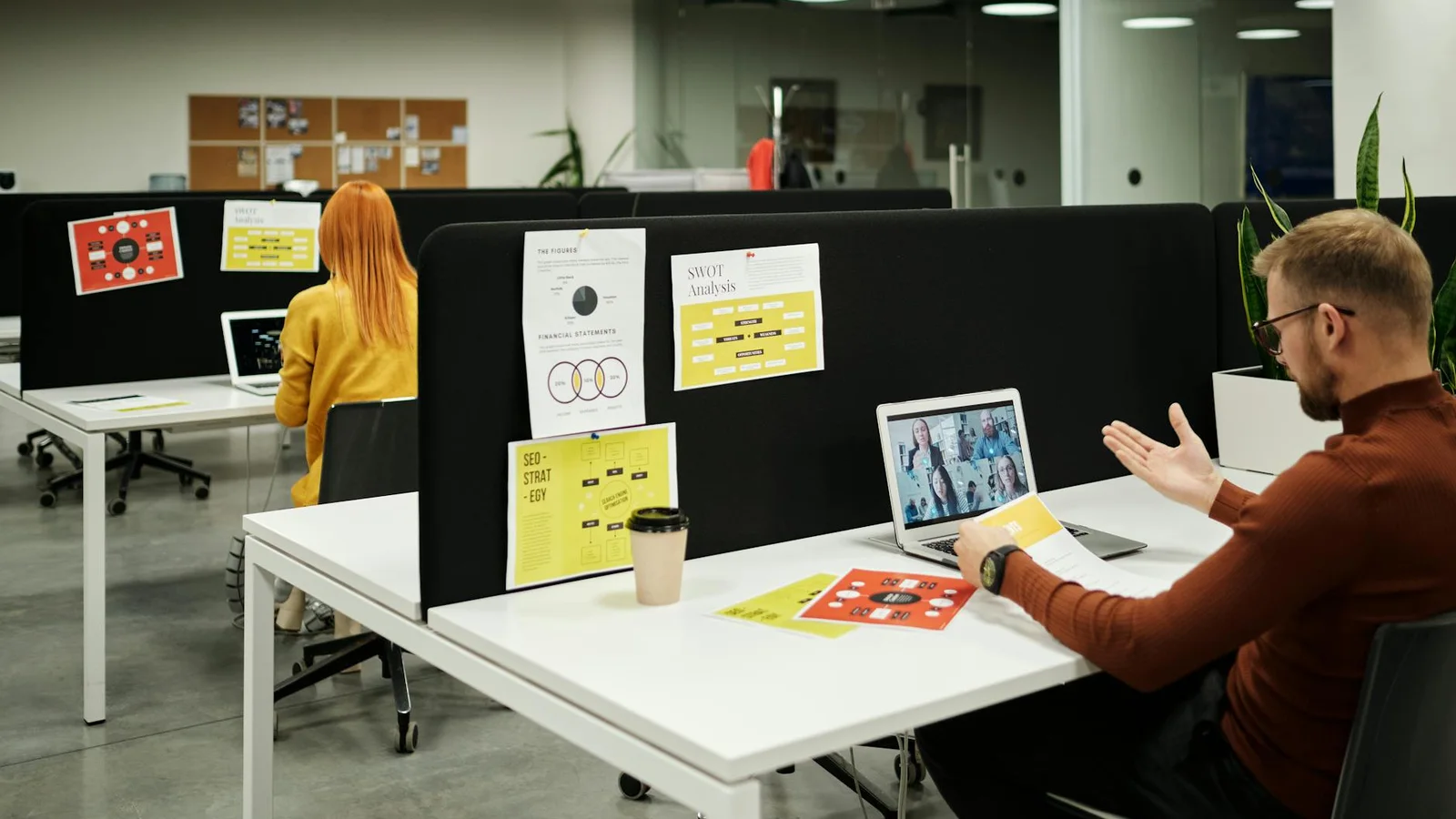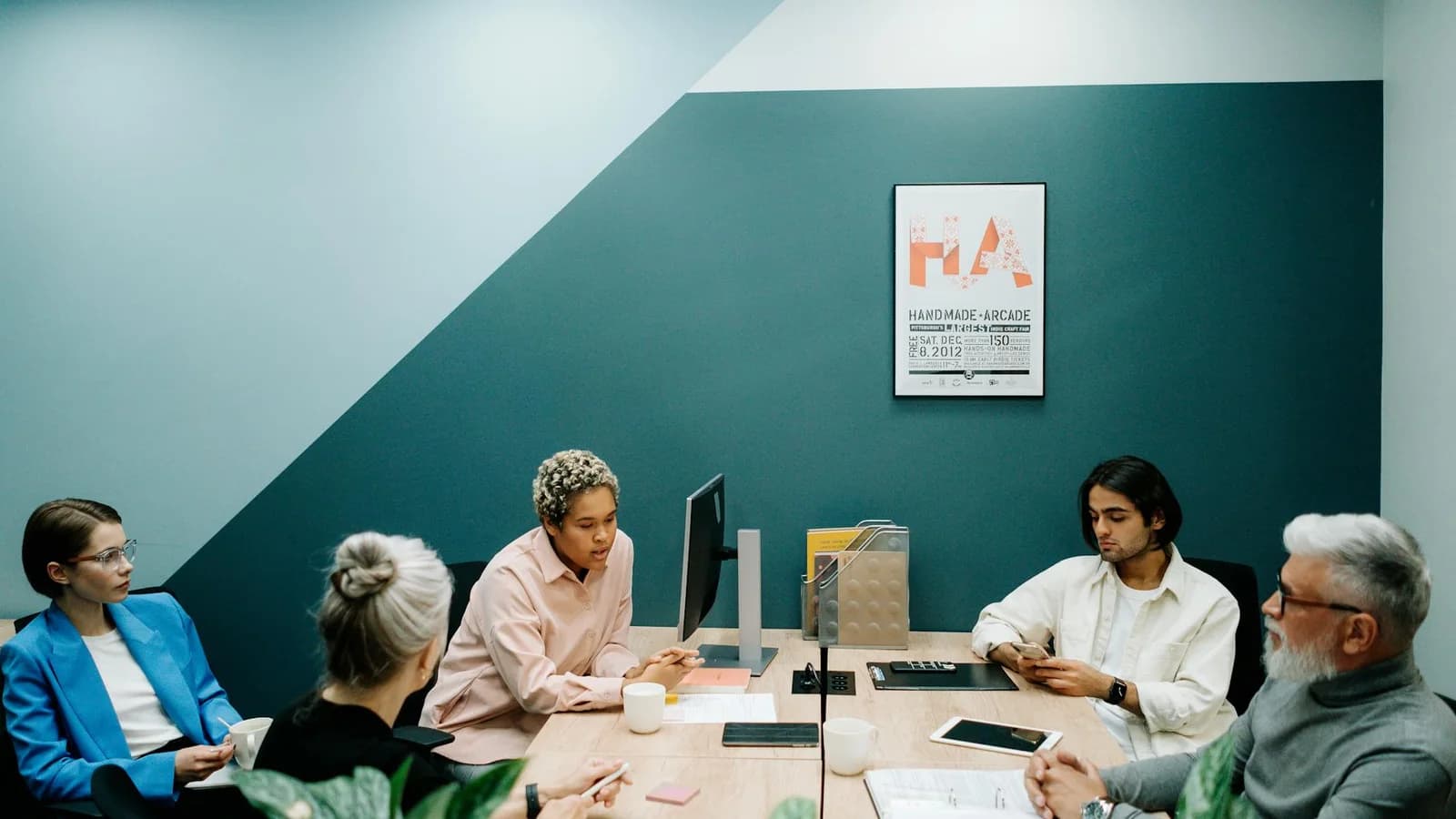
Proximity is valuable in hybrid offices because it reduces coordination friction. But proximity also carries a cost when it amplifies interruption, noise, and cognitive fragmentation. The challenge for workplace strategy is not simply to place teams together or apart. It is to find the balance where coordination remains easy without sacrificing behavioral usability for focused work.
Why pure proximity is not always productive
Teams may appreciate closeness when they need rapid interaction, but the same closeness can degrade concentration if all work modes are forced into the same acoustic and behavioral envelope. This creates a workplace that is efficient for interruption yet inefficient for sustained work.
That tradeoff is especially visible in hybrid settings, where people often come on-site precisely because the office should support a richer mix of work modes than home does.
- Proximity improves coordination but can reduce focus if unmanaged.
- The office must support multiple work modes, not one dominant pattern.
- Behavioral usability matters more than nominal adjacency alone.
What balanced team placement looks like
Balanced placement gives teams enough nearness for collaboration while preserving accessible routes into lower-interruption conditions. This often means thinking in gradients rather than binaries: close enough to connect, separated enough to concentrate.
When this works, the office feels more deliberate because each area carries a clearer behavioral expectation.
Using the insight in workplace planning
Workplace teams can use movement and occupancy evidence to identify where proximity helps, where it harms, and what adjustments would improve both coordination and focus. This supports a more nuanced layout strategy than simply clustering by org chart.
In practical terms, it creates offices that are more humane and more productive at the same time.