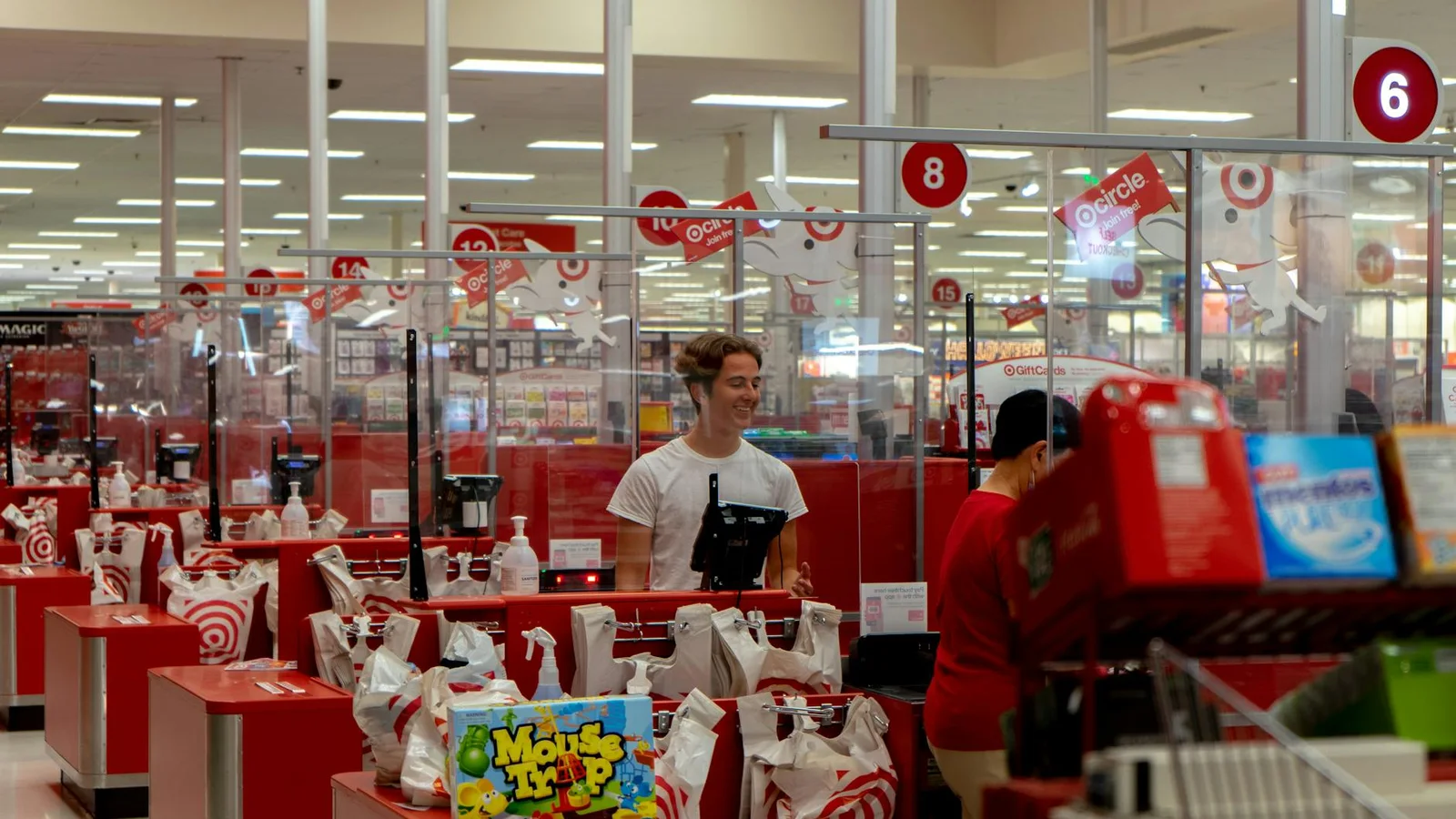
Queues are not only an operational inconvenience. They are a commercial signal. When a queue forms, the business is seeing a mismatch between demand arrival, service capacity, and spatial design. Left unmanaged, queues erode customer patience, depress conversion, and distort labor efficiency. Managed correctly, they become one of the clearest indicators of where the operating model needs to adapt.
Why queue failure is rarely just a staffing issue
Most organizations treat queues as a people problem: not enough staff, poor roster timing, or weak discipline on the floor. Those factors matter, but they are not the whole picture. Queue formation also reflects arrival waves, service complexity, journey design, visibility of service points, and whether customers are being directed into the right path quickly enough.
That is why service recovery cannot begin only once the line is visibly long. By then, customers have already perceived friction. The stronger model watches queue build-up as a dynamic signal. It asks when accumulation begins, how fast it accelerates, and whether that stress is recurring at specific times, entrances, counters, or campaign moments.
The difference between long lines and stressed lines
A long line is not always a failing line. Some queues move steadily, maintain perceived fairness, and preserve customer confidence. A stressed queue behaves differently. It expands unevenly, blocks circulation, causes visible hesitation, and creates abandonment or diversion before service is reached.
For enterprise operators, that distinction matters. It is not enough to know that a queue existed. The business needs to know whether the queue damaged flow, reduced service confidence, or displaced visitors from adjacent commercial zones. That is where intelligence becomes operationally valuable.
- Growth rate matters more than peak snapshot length alone.
- Spillover into circulation routes usually signals a broader spatial problem.
- Repeated abandonment windows point to systemic misalignment, not isolated bad luck.
What service recovery looks like in practice
Effective queue intelligence allows teams to redesign service windows rather than merely react to them. Labor can be timed to real arrival behavior. Self-service or assisted triage can be positioned where hesitation occurs. Managers can identify whether congestion is created by transaction mix, not just volume. And commercial teams can understand when promotional events are generating demand that the service layer is not equipped to absorb.
Over time, this moves the operation from reactive firefighting to predictable control. Teams stop relying on anecdotal complaints as the first warning system. They operate from observable queue patterns that can be reviewed across days, sites, and formats with a common language.