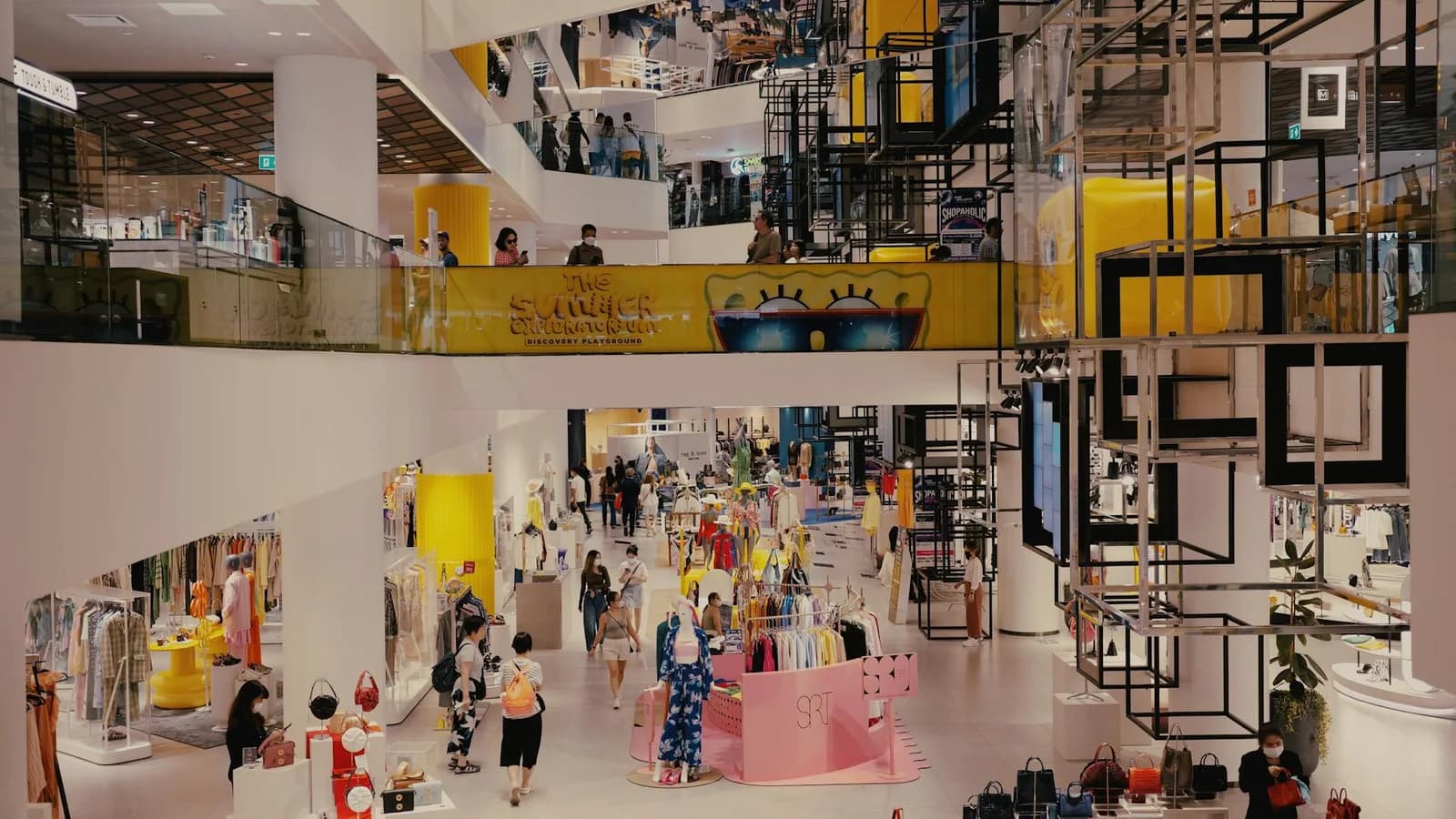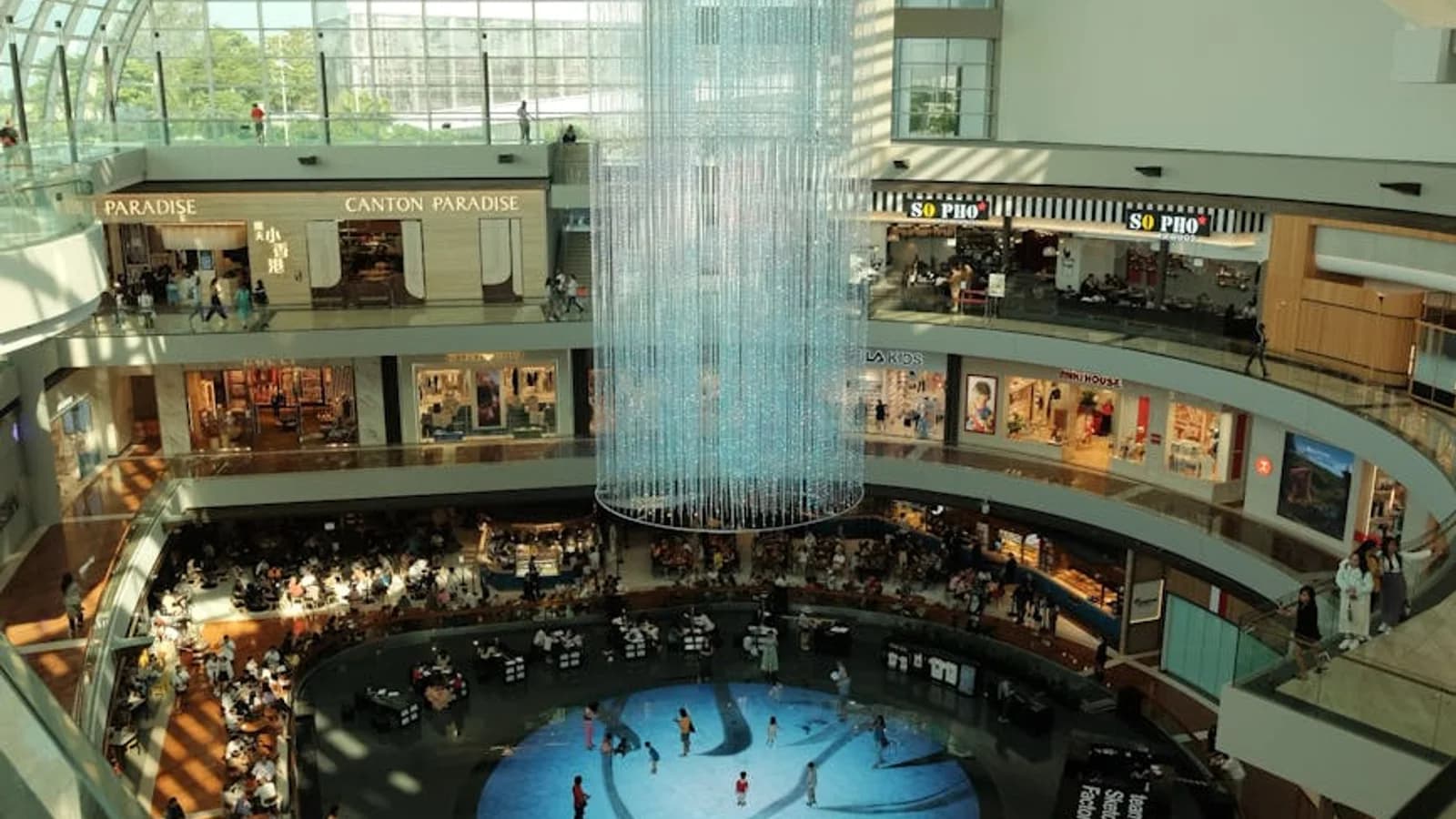
Food halls are often celebrated because they visibly increase dwell and animate the mall. But the commercial question is not whether people stayed there. It is whether that activity improved the rest of the center. A food hall that traps time locally may still look successful in isolation while contributing less than expected to adjacent tenancy, corridor strength, and multi-purpose visitation.
Why dwell near food is easy to overvalue
Food naturally creates pause behavior, repeat visitation, and social congregation. Those traits make food halls feel commercially healthy. However, long dwell near food can coexist with weak movement continuity elsewhere. Visitors may treat the hall as a destination detached from the surrounding retail environment, limiting the broader value of that time.
This is why leadership should resist reading food-hall success through occupancy alone. The more useful question is how that occupancy redistributes movement across the mall.
The difference between a destination zone and a network zone
A destination zone draws people in. A network zone also pushes them outward into useful continuation paths. The strongest food halls usually function as both. They create enough gravity to attract visits, but they are positioned and operated in ways that support onward movement into fashion, convenience, leisure, or anchor zones.
If the zone lacks that network quality, then dwell becomes less productive than leadership assumes. The center gains animation without receiving the full commercial multiplier.
How food hall intelligence sharpens asset decisions
With movement intelligence, mall teams can observe whether food-driven arrivals continue into adjacent corridors, whether seating zones interrupt or support circulation, and whether different dayparts create different commercial spillover patterns. That supports better layout decisions, leasing adjacencies, and activation choices around the hall.
It also helps the mall judge where additional investment will actually improve center-wide economics rather than simply enriching one already-popular zone.