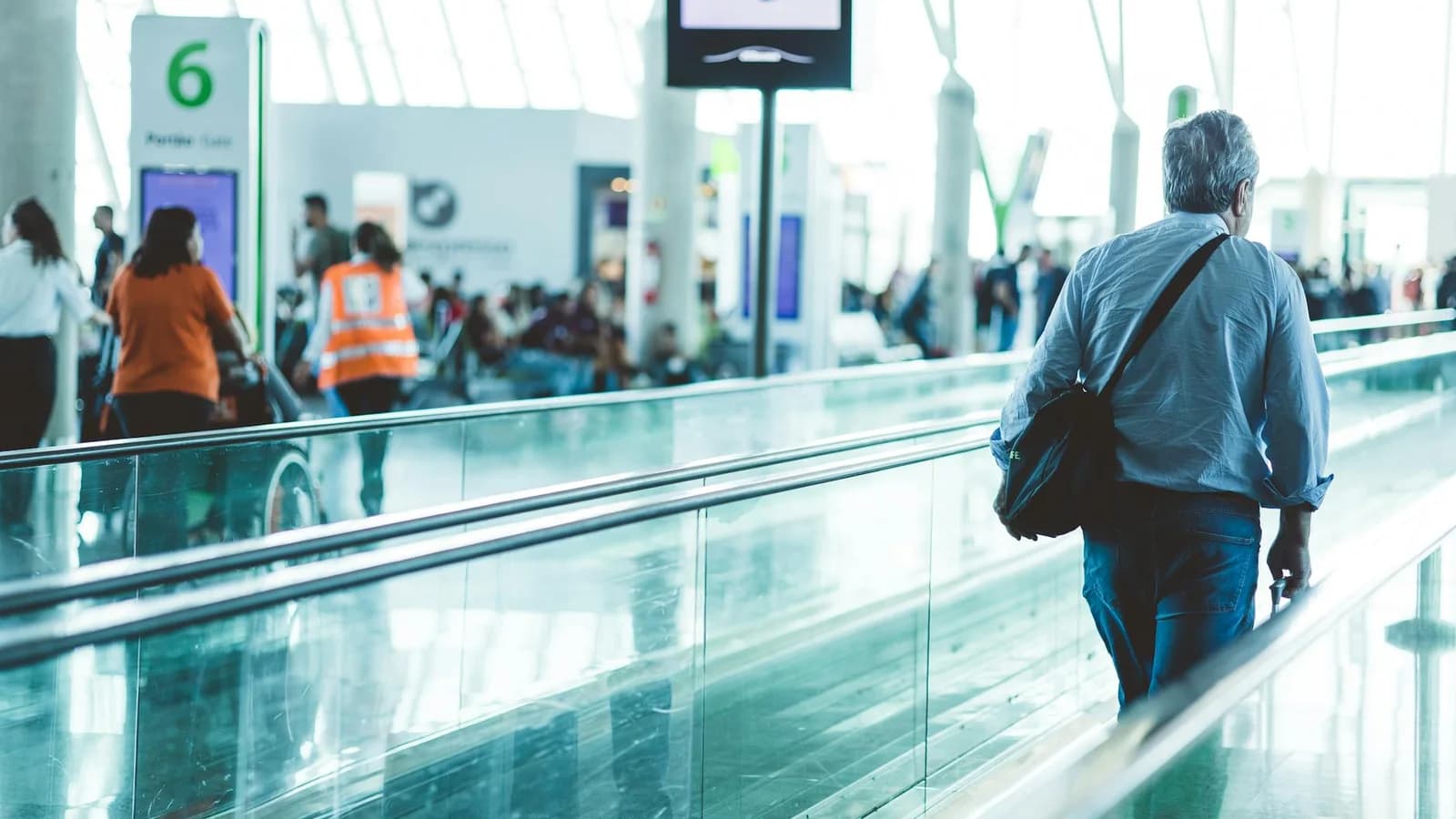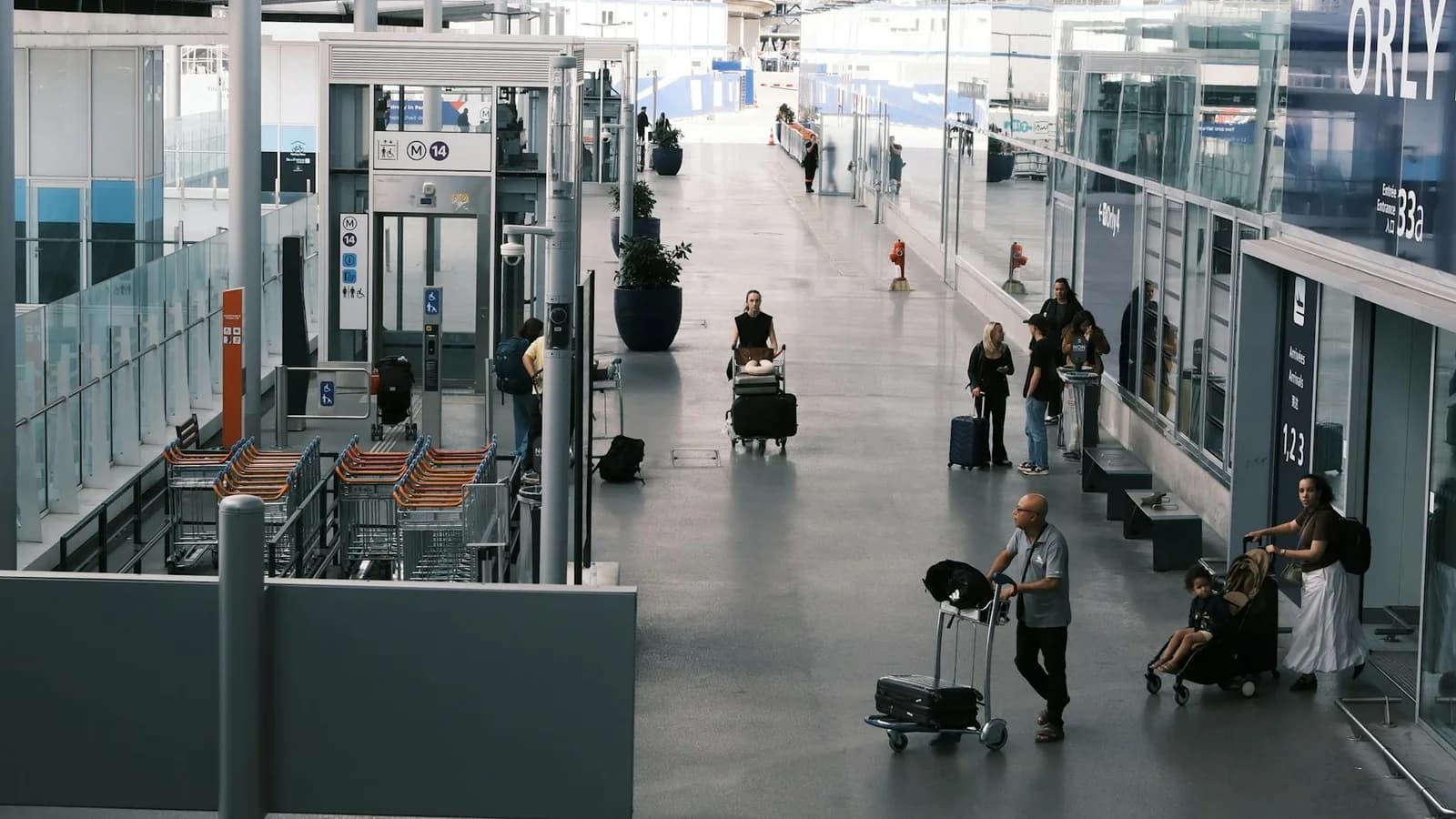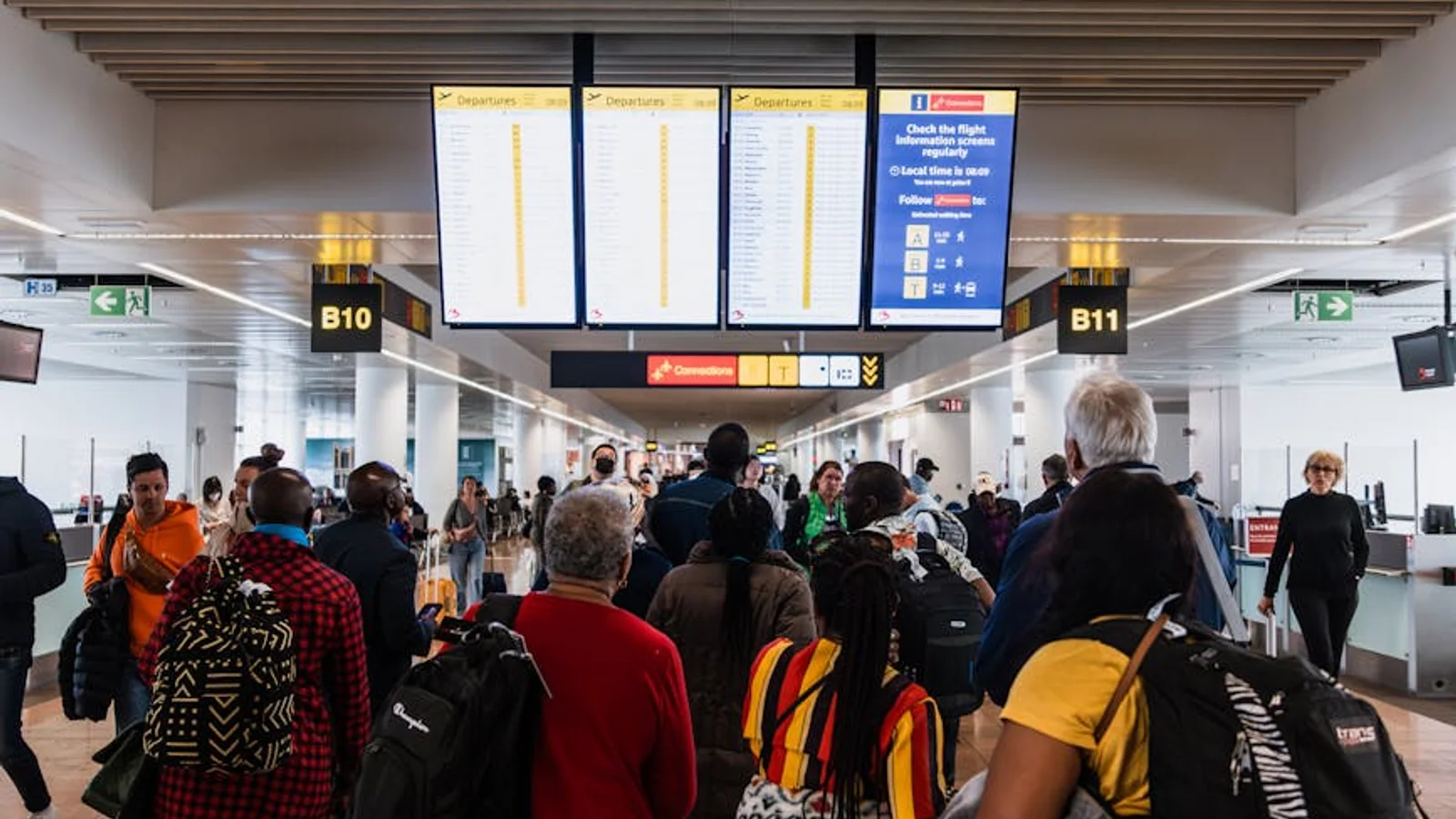
The gate-hold zone is one of the most emotionally sensitive spaces in the terminal. Passengers are close to departure, attention becomes narrower, and tolerance for uncertainty declines. If this area is poorly managed, stress spills outward into circulation, boarding readiness, and even nearby concessions. That makes gate-hold performance an airport-wide issue, not merely a gate issue.
Why the final waiting stage is operationally fragile
Passengers near boarding are less exploratory and more risk sensitive. Small ambiguities around boarding sequence, seating availability, or zone boundaries can therefore produce outsized behavioral effects. Clustering, aisle blockage, and repeated information-seeking begin long before boarding itself becomes disorderly.
This means terminal calm depends partly on how well the airport manages uncertainty in the hold zone before the gate opens.
- Boarding stress begins before boarding starts.
- Gate-hold ambiguity can spill into nearby circulation and service areas.
- Passenger calm is a flow asset, not only a comfort outcome.
What strong gate-hold behavior looks like
A well-performing hold zone keeps passengers oriented without encouraging premature crowding. It creates enough clarity that people remain ready but not agitated, informed but not clustered. This supports smoother boarding while also protecting the surrounding terminal environment from unnecessary turbulence.
Airports that achieve this treat hold-zone behavior as something to design and manage, not simply absorb.
Using the insight to improve terminal flow
By observing how passengers behave in the minutes before boarding, airports can improve queue staging, zone markings, information cadence, and nearby seating logic. This allows them to reduce stress without adding heavy-handed control.
The result is a cleaner final stage of the journey and a more stable terminal overall.