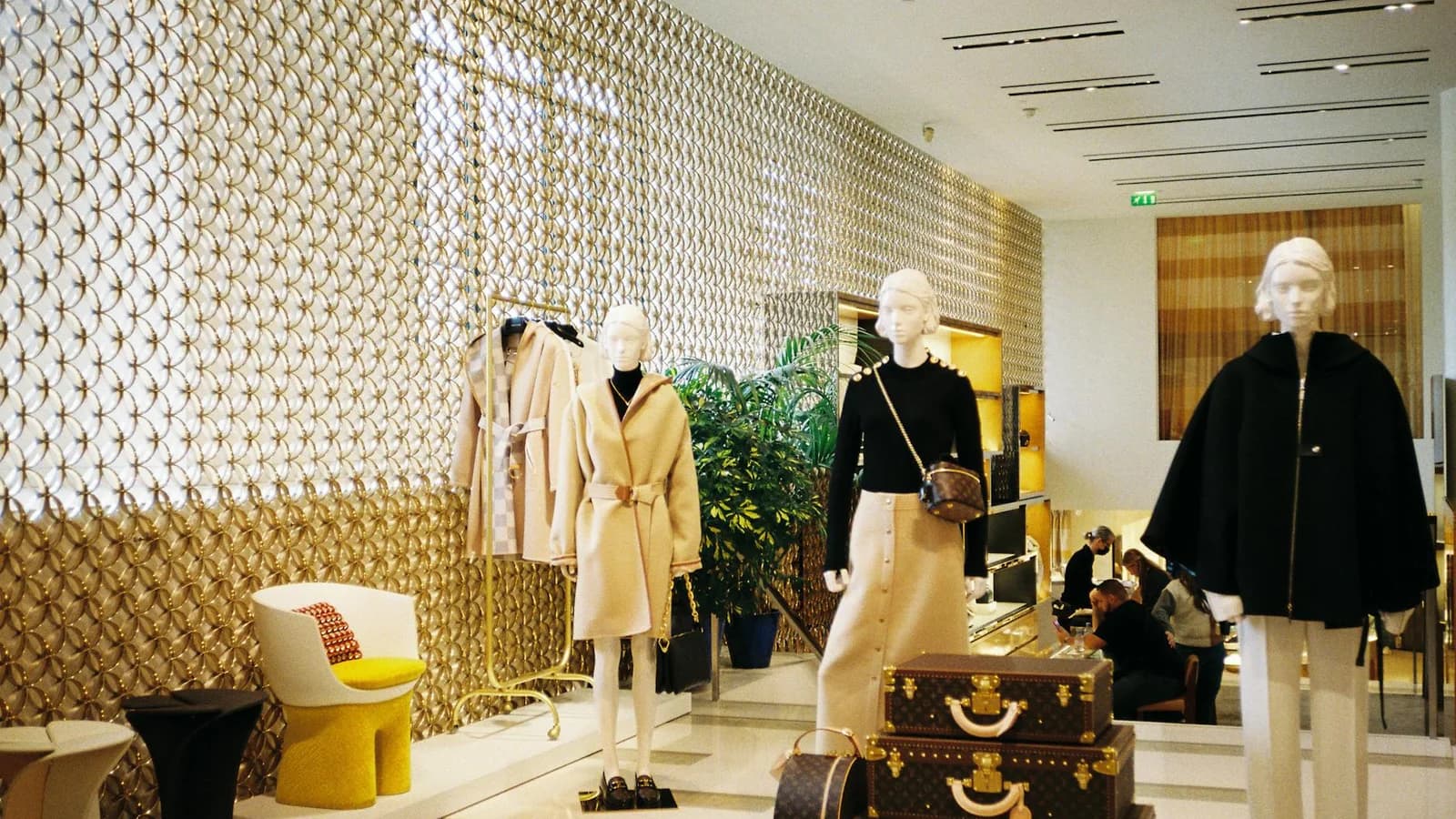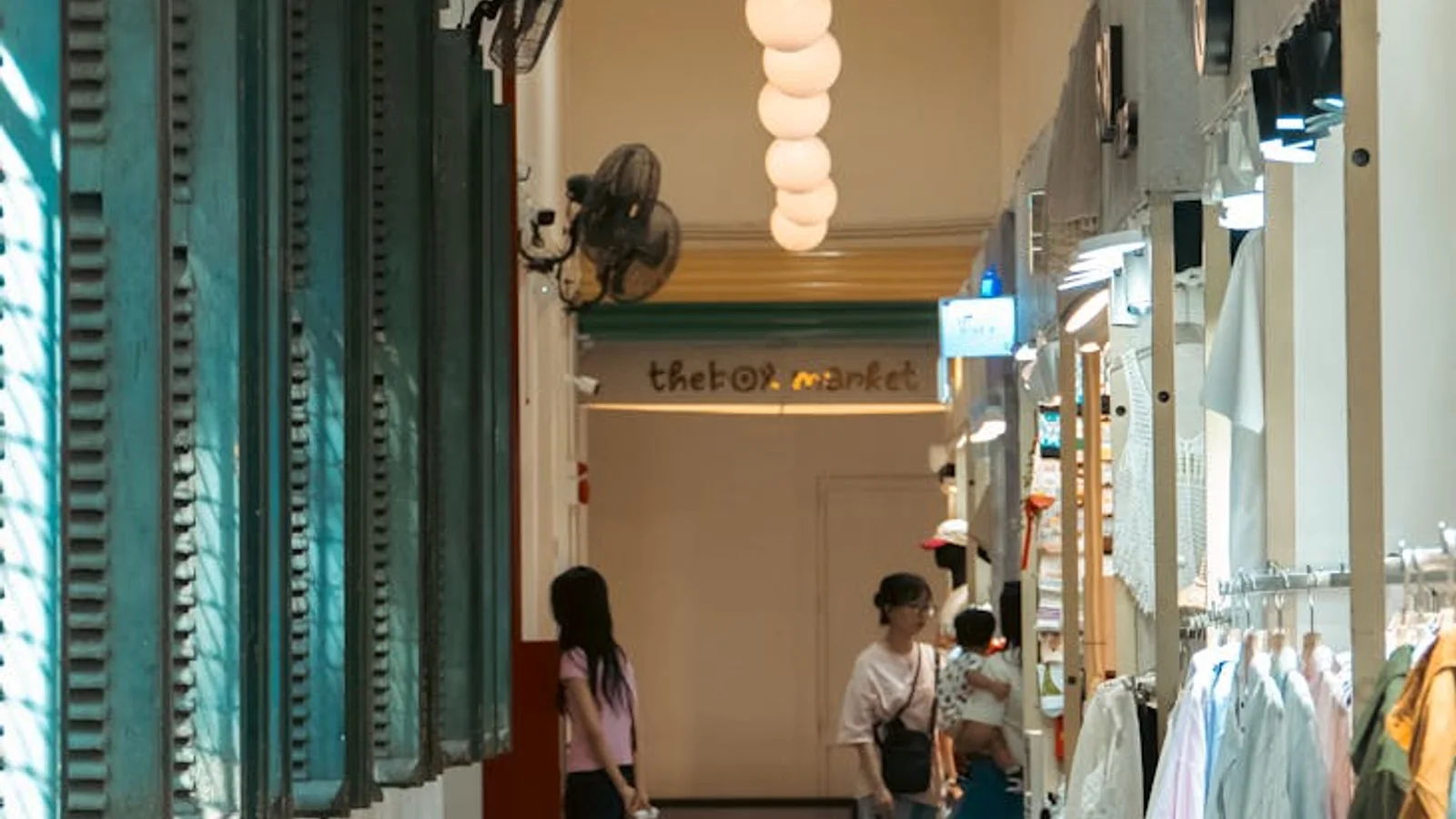
Retail staffing decisions are often anchored to historical schedules rather than live demand structure. That is usually good enough for predictable environments, but it becomes costly in modern stores where visitor intent, trip purpose, and service dependency vary dramatically across the day. Labor timing becomes more effective when the business understands not just how many people entered, but what kind of commercial pressure those entries are likely to create.
Why hourly traffic averages are too blunt
Hourly traffic averages flatten demand into a number that hides the character of the store entrance. Ten visitors entering for quick replenishment do not create the same service profile as ten visitors entering to browse a premium zone, compare options, or seek assistance. If staffing is aligned only to headcount, service readiness will often lag the actual demand pattern.
The operational problem is not simply volume. It is mismatch. Too many stores deploy labor against broad averages and then wonder why some periods feel under-supported even when traffic is technically within forecast.
What entrance mix reveals about service pressure
Entrance behavior can reveal whether the store is receiving mission-driven visits, exploratory visits, or visits likely to require assisted selling. It can also reveal how rapidly those visits convert into pressure deeper in the store. When leadership understands that mix, staffing can be shaped around real service windows rather than around static rosters.
This matters especially in larger stores and high-value categories where the wrong labor timing creates either visible service gaps or unproductive idle time.
How better timing improves both experience and labor efficiency
Better labor timing does not only improve service quality. It also reduces wasted staffing intensity in periods where the floor does not need it. The business can place the right people in the right window, support selling moments more effectively, and reduce the risk that high-intent demand walks unsupported through the space.
At scale, this creates a more resilient operating model. Staffing becomes responsive without becoming chaotic, and service confidence improves without simply throwing more labor at the floor.