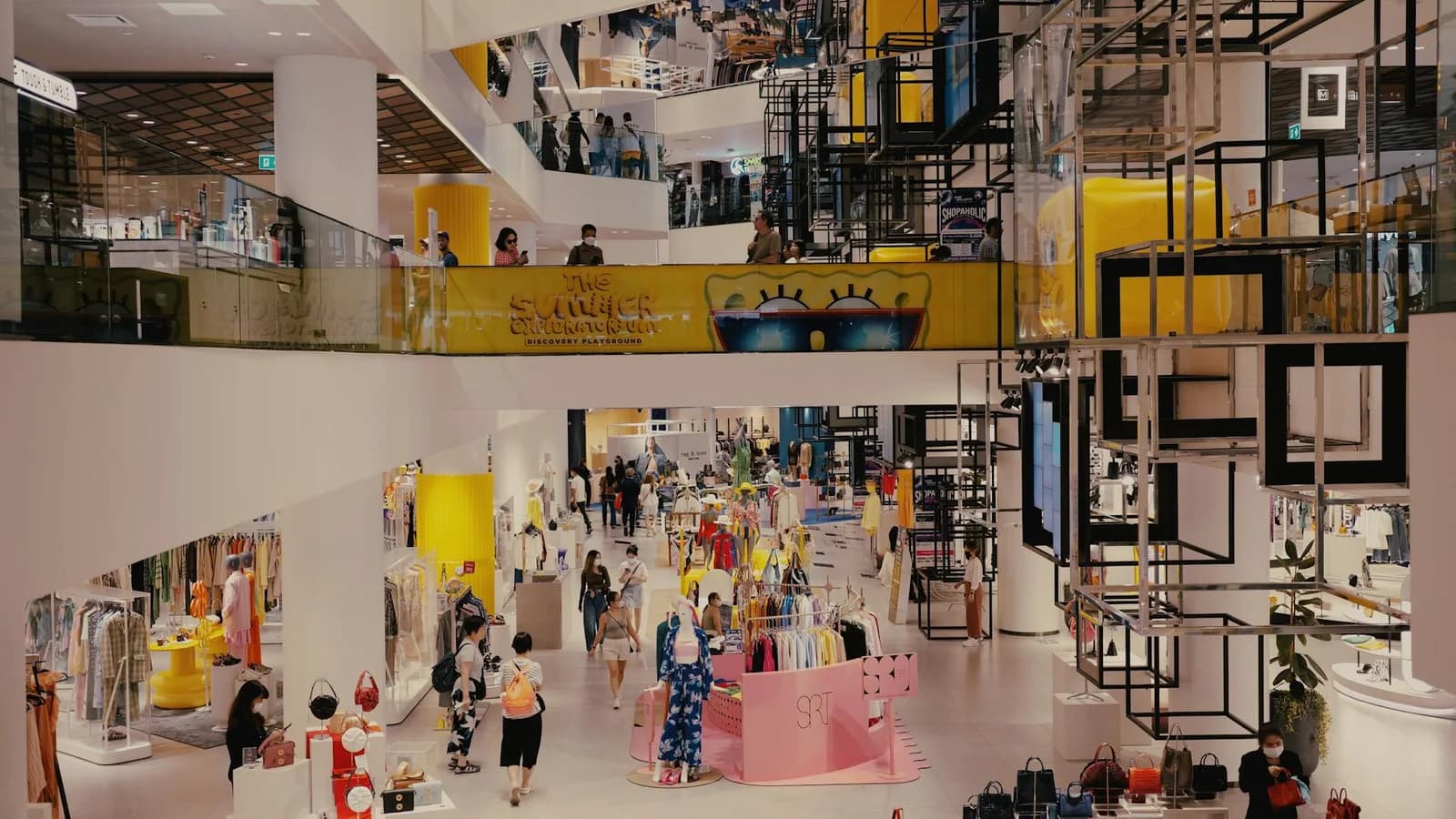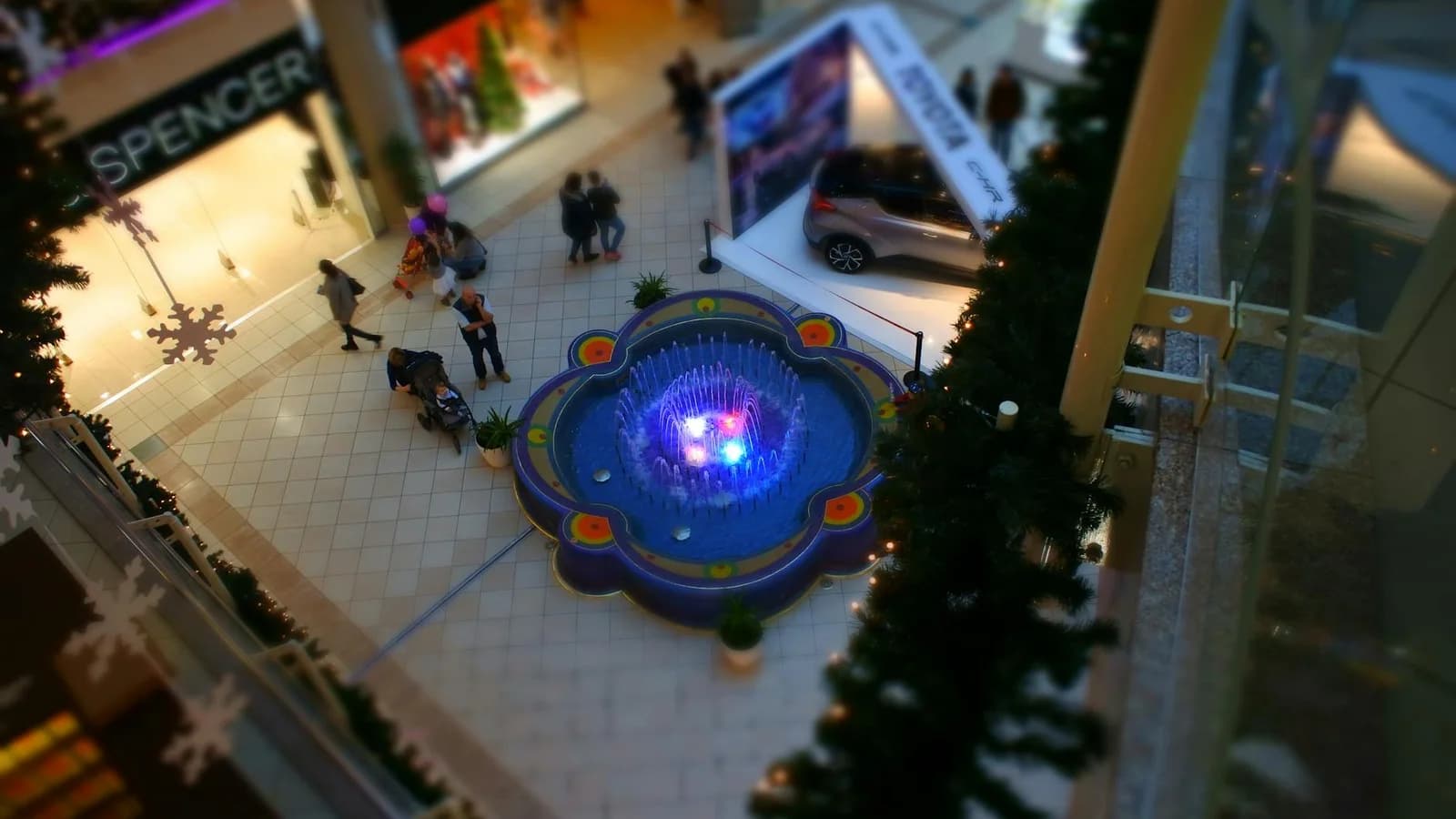
Activations are often justified by visible excitement. A crowd forms, social content is captured, and the center appears lively. But visibility alone does not mean the activation improved mall performance. Some activations earn traffic by redistributing attention productively. Others interrupt circulation, trap visitors locally, and create little benefit for the surrounding center.
Why event visibility is not the same as value
An activation can look successful and still underperform commercially. If the event creates a dense cluster that blocks movement, weakens nearby storefront visibility, or fails to continue traffic into adjacent corridors, the wider center may gain far less than the spectacle suggests. This is especially common when performance is judged mainly through attendance photos or headline footfall.
Mall teams need a more disciplined way to distinguish excitement from operational value.
What productive activation behavior looks like
A productive activation does more than gather people. It shapes movement quality. It creates temporary energy that extends into surrounding paths, supports neighboring tenants, and preserves the ability of visitors to keep moving through the center. It adds value to the mall network instead of acting like a local blockage.
That is why circulation before, during, and after the event matters so much. The activation should be judged not just by what happened at its center, but by what happened around it.
How to use activation intelligence in planning
When mall teams evaluate activation zones with movement evidence, they can choose better footprints, better timings, and better adjacencies. They can also identify which event types genuinely improve commercial flow and which should be redesigned or deprioritized. Over time, this improves both tenant confidence and operational consistency.
The result is a more mature activation strategy, one that treats mall events as part of a circulation and value system rather than as standalone spectacles.