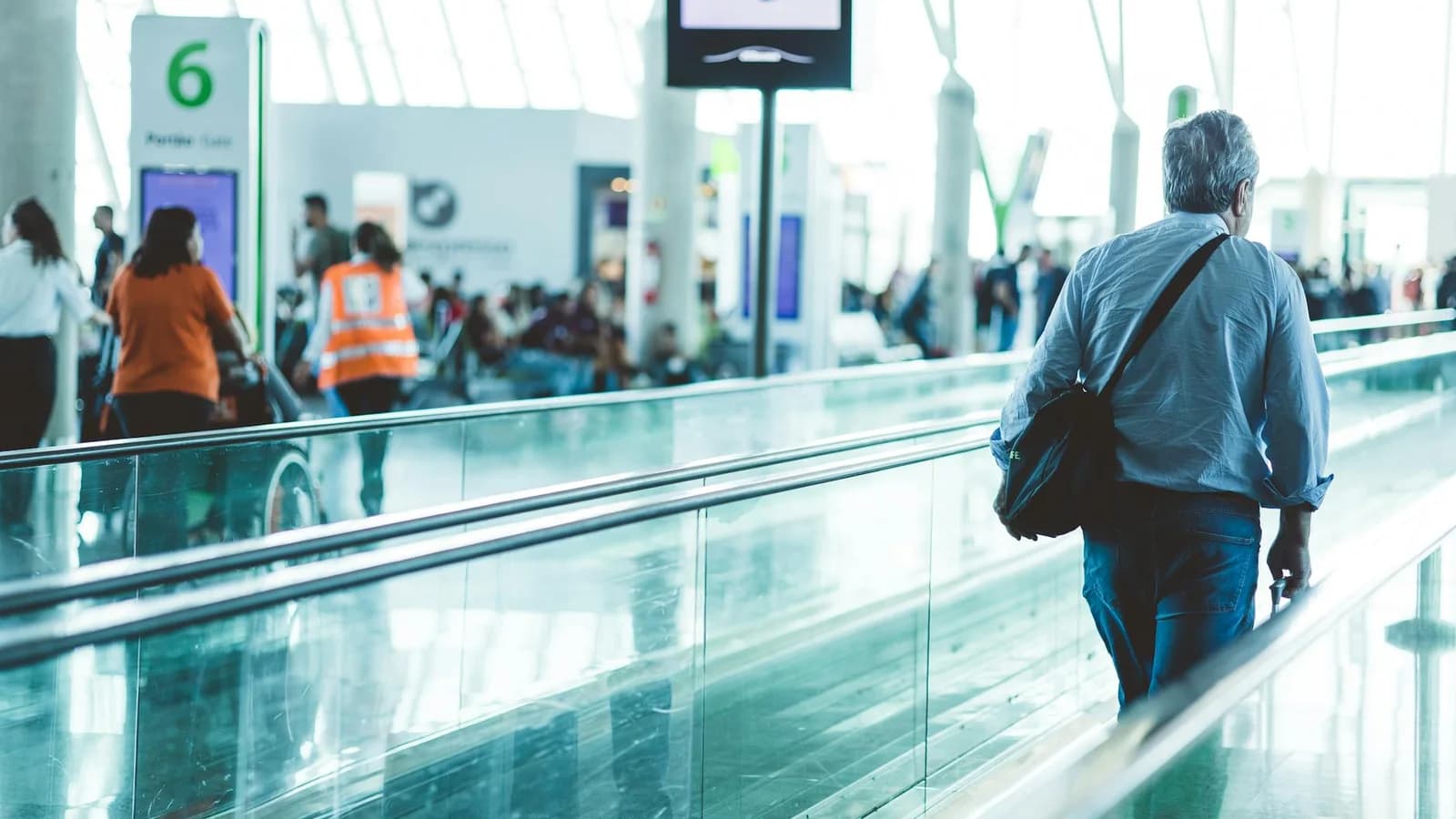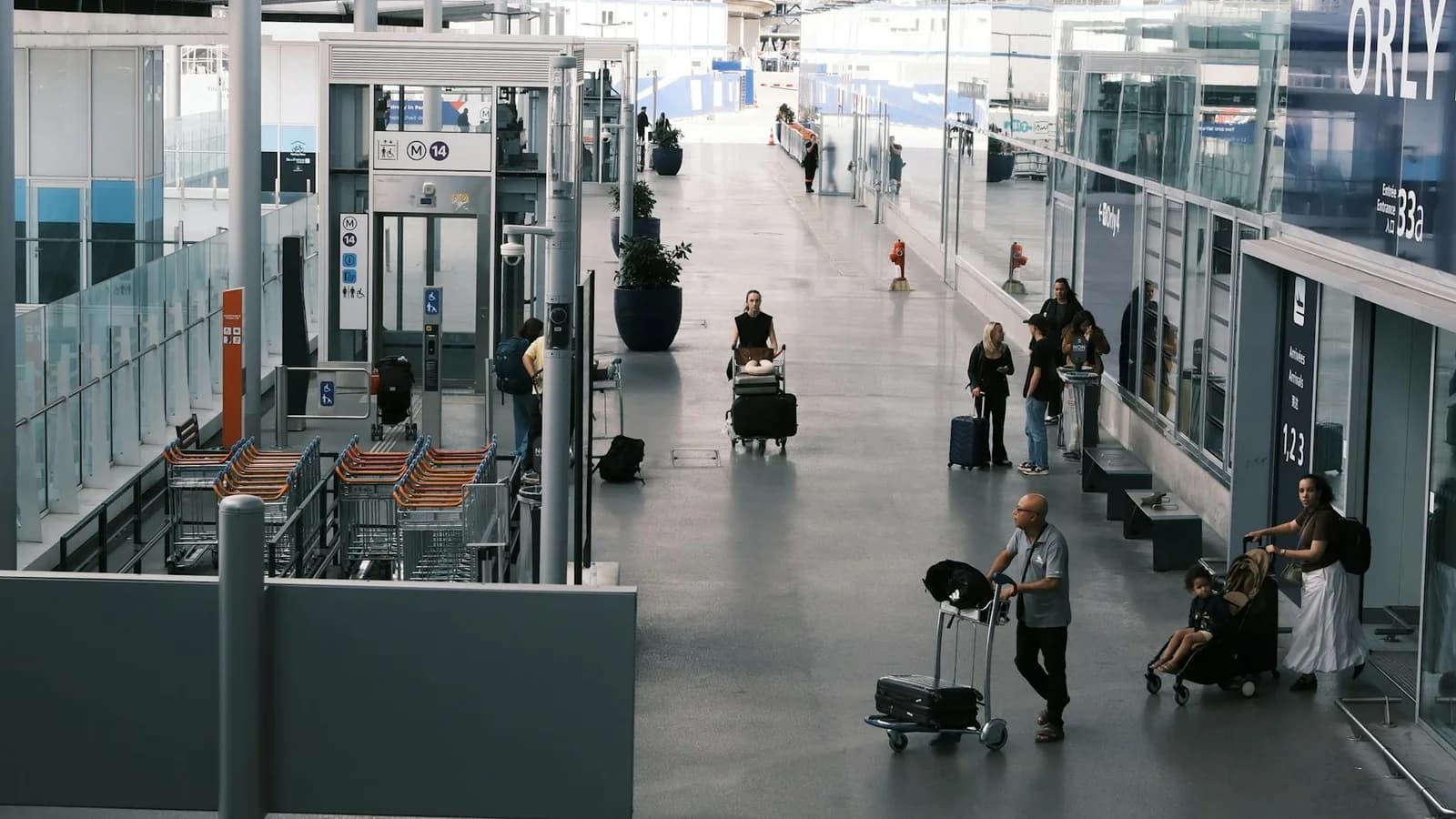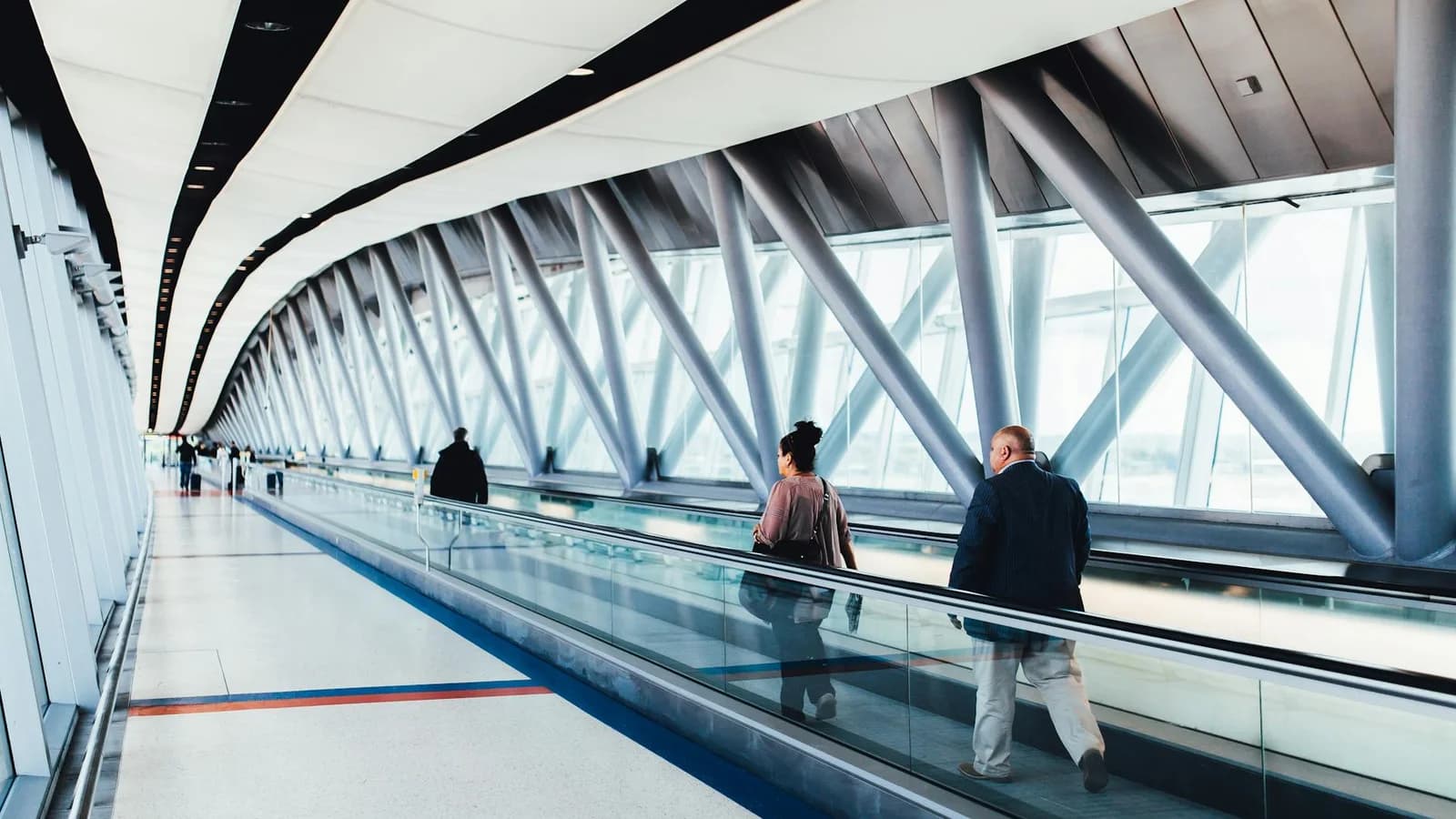
Airports are choreography under pressure. Passenger flow is shaped by security processes, signage, peak banks, staffing, concessions, and gate sequencing all at once. Because of that complexity, airport operations need more than occasional observation. They need consistent visibility into how movement behaves before small frictions become terminal-level disruption.
Why bottlenecks form before they are visible
Major bottlenecks do not appear from nowhere. They usually begin as repeated hesitation at a wayfinding split, a queue that accelerates slightly too early, or a corridor that narrows under a particular combination of traffic conditions. These signals are easy to miss in live observation because they develop incrementally.
Movement intelligence helps operators identify those precursor states. It turns terminal flow into something that can be monitored, compared, and corrected with more precision.
The value of seeing movement as a system
A passenger queue cannot be understood in isolation from the surrounding circulation. If a security queue spills into a path, the business is now facing both a service issue and a wayfinding issue. If concession dwell builds near a transfer route, it may affect onward punctuality. The terminal works as a connected system, and analytics should respect that reality.
Once operations view the environment that way, intervention becomes more coherent. It is not just about speeding one checkpoint. It is about protecting flow quality across connected passenger decisions.
Where orchestration creates enterprise value
Better orchestration improves passenger confidence, protects dwell quality in commercial zones, and reduces the probability that one local stress point cascades into broader disruption. It also creates a better evidence base for staffing, layout tuning, and stakeholder coordination across airport operations.
That is the difference between reacting to airport movement and managing it as a designed operating system.