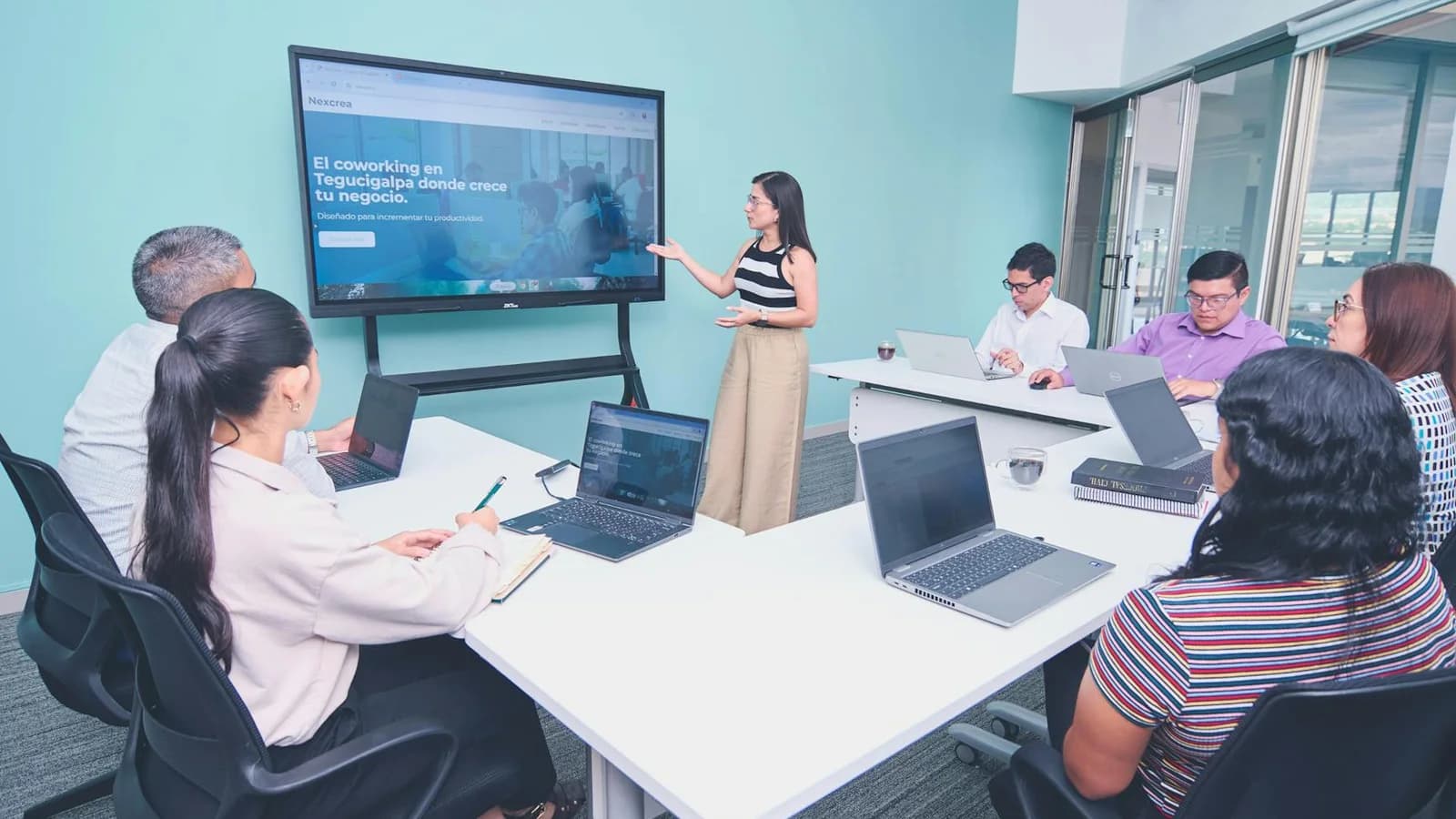
Hybrid workplace strategy has made collaboration space politically attractive, but not every collaboration zone creates enough value to justify its footprint. Some areas are genuinely productive. Others are mainly symbolic, designed to signal modernity more than to support repeat, useful work behavior. The difference matters because premium office square footage should be earned by real use patterns, not only by design intent.
Why symbolic collaboration space is risky
A collaboration area can look contemporary and still underperform behaviorally. It may be too exposed for focused group work, too vague in purpose, or too detached from the routes where people naturally coordinate. If that happens, the space consumes prime area while other parts of the office absorb the real collaborative demand.
This is why workplace teams should resist evaluating these zones through aesthetics alone. What matters is whether they support repeat, meaningful use.
- Modern-looking space is not automatically productive space.
- Behavioral value matters more than symbolic value in high-cost office footprints.
- Collaboration zones should be judged by actual demand and continuity of use.
What productive collaboration behavior looks like
Productive collaboration space is visible in repeat occupancy, purposeful duration, and sensible adjacency to the rest of the workday. It should feel naturally reachable from the flows that lead people into meetings, project touchpoints, and spontaneous coordination. It should also support a clear return into other work modes afterward.
When that pattern exists, the space is not merely occupied; it is integrated into the workplace operating system.
How to use the insight in portfolio decisions
Organizations can use behavioral evidence to determine which collaboration formats deserve replication, which need repositioning, and which are consuming more space than they return in value. This helps workplace strategy move beyond generic hybrid design language into real performance-led planning.
In practical terms, it means the office becomes easier to rightsize and easier to justify to leadership because the space is tied to observable work behavior.